



Bordeaux 2025 en primeur: Pomerol ‘rain came just in time’
db Bordeaux correspondent Colin Hay continues his tour of the Right Bank’s 2025 en primeur offerings with an, at times, emotional visit to Pomerol.
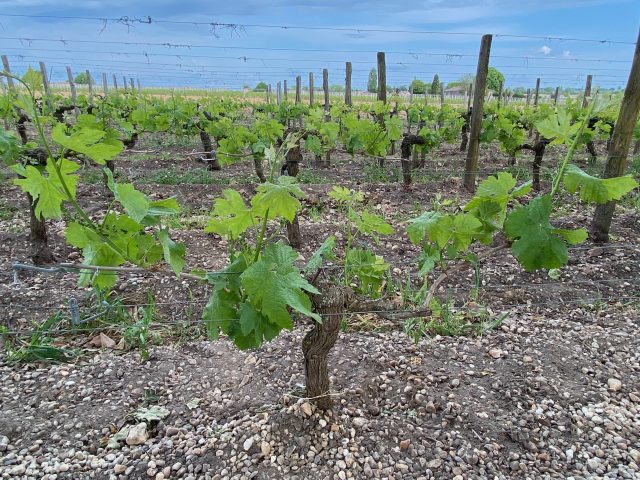 Pomerol’s hallowed plateau used to be the exception to any generalised rule about weather-related woes. That was then. Since 2024, and again in 2025, though for very different reasons, Pomerol got it tough and the plateau was not spared.
For the first time – possibly ever – the rich, deep, concentrated and, above all, water-retaining clay for which this appellation is globally renowned dried out to such an extent that the concrete, which it was in the process of becoming, threatened to suffocate the plants it is so famous for protecting.
But, thankfully, that’s not quite what happened, though just how close we came to a ‘plateau-of-Pomerol-free’ vintage is an intriguing question and one likely to remain a matter of opinion. The rain came just in time.
What is clear, as Table 1 shows more eloquently than words, is that Pomerol suffered – a lot, and a lot more than any other of the leading appellations – with yields lower even than in 2013 and nearly a third lower than the rapidly declining 10-year average.
| 2020 | 2021 | 2022 | 2023 | 2024 | 2025 |
10-year average |
% Change | |
| Pomerol | 39.8 | 28.9 | 32.3 | 45.2 | 28.4 | 25.9 | 36.6 | -29.2 |
| Saint-Émilion (GC) | 36.7 | 27.5 | 41.2 | 40.5 | 36.4 | 34.7 | 37.9 | -8.4 |
| Margaux | 36.3 | 38.6 | 31.3 | 37.7 | 33.1 | 28.8 | 39.2 | -26.5 |
| Saint-Julien | 34.3 | 35.2 | 34.3 | 50.3 | 32.5 | 26.4 | 36.3 | -27.3 |
| Pauillac | 37.4 | 35.1 | 34.8 | 47.1 | 29.5 | 30.2 | 40.2 | -24.9 |
| Saint-Estèphe | 41.2 | 40.7 | 31.5 | 51.6 | 33.6 | 36.8 | 44.4 | -17.1 |
| Pessac-Léognan | 34.6 | 30.7 | 35.7 | 38.1 | 39.0 | 31.0 | 35.6 | -12.9 |
Table 1: Average vineyard yield by appellation (hl/ha)
Source: calculated from Duanes data compiled by the CIVB Service Economie et Etudes
It was, then, with a certain amount of trepidation that I began tasting through the wines of the appellation. And, to be fair, it was not long before I came across a few tell-tale signs of extreme hydric stress: wines that were clearly over-ripe, lacking in acidity but often not in residual sugar and, in some cases, with the palpable presence of artificially elevated acidity. But as I tasted more, it became clear that these were the exceptions.
Quite remarkably for the most part, and above all on the plateau itself, Pomerol has produced a series of exceptional wines in 2025. They are characterised – like the vintage more generally – by low alcohol, bright, crunchy fruit and a certain fresh – even bracing – natural acidity.
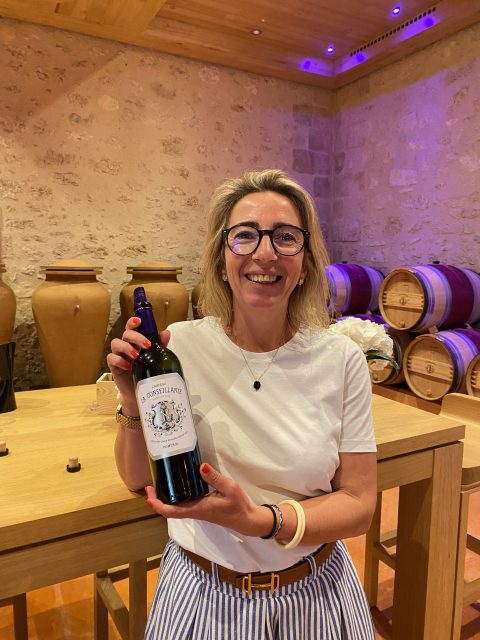
Table 2 shows, for a selection of the plateau Pomerols for which I have the data, final yields and the percentage of Merlot and Cabernet Franc in the composition of the grands vins. Though the yields are, in some cases, vanishingly small, they are quite variable and the consequences on the composition of the final grand vin blends modest.
Partner Content
What the data show is that the mildew of 2024 (concentrated as it was on Merlot) was much more impactful than the drought conditions of 2025. Indeed, if anything, the vintage marks a return to more conventional blends for the grands vins of the plateau.
| Wine | % Merlot | % Cabernet Franc | Yields (hl/ha) | ||||||
| 2023 | 2024 | 2025 | 2023 | 2024 | 2025 | 2023 | 2024 | 2025 | |
| La Conseillante | 88 | 80 | 87 | 12 | 20 | 10 | 43 | 22 | 30 |
| Le Gay | 95 | 81 | 93 | 5 | 19 | 7 | 42 | 18.4 | 19 |
| Lafleur | 46 | 45 | 48 | 54 | 55 | 52 | — | 41 | 35 |
| Petit-Village | 65 | 60 | 60 | 25 | 31 | 32 | 36 | 20 | 16 |
| Le Pin | 100 | 100 | 100 | 0 | 0 | 0 | 40 | 29 | 20 |
| Vieux Château Certan | 82 | 71 | 80 | 18 | 20 | 15 | 43 | 30 | 22 |
| La Violette | 100 | 100 | 100 | 0 | 0 | 0 | 30 | 16 | 12 |
| Average | 83 | 78 | 81 | 15 | 18 | 17 | 39.1 | 24.9 | 22 |
| 10-year appellation average | 38.2 | 37.8 | |||||||
Table 2: Percentage of Merlot & Cabernet Franc in the grands vins and final yield (hl/ha), 2023, 2024 & 2025
But what is perhaps most striking of all is that the very best of the wines here – almost regardless of the final yield in the vineyard – indicate nothing of the hydric stress conditions out of which they were forged.
Among them is a wine with the (perhaps dubious) double honours of being the first to have made me sob like a baby in the tasting room and to have broken my en primeur scoring system in its evident perfection. That wine is Le Pin and that tasting will remain with me forever.
La Conseillante, Petrus and Lafleur (now of course sporting a Vin de France identifier rather than its more customary Pomerol appellation but included here among its peers) are all potential candidates for perfection. On another day, any and all of them could have made me cry!
And Église-Clinet, Trotanoy, Vieux Château Certan and La Violette follow them very closely indeed.
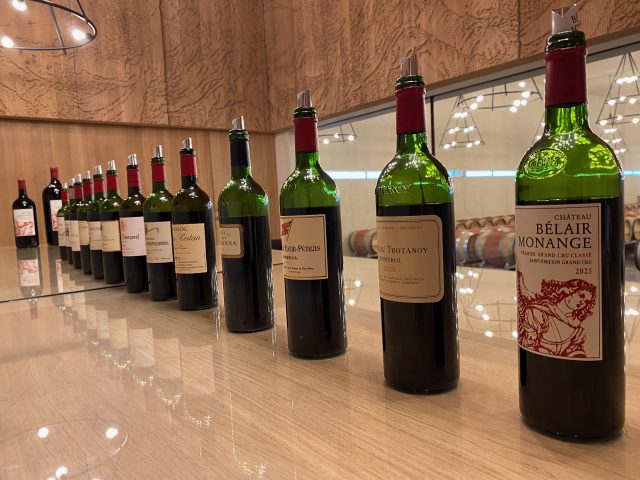 There are plenty of other stars at a great variety of likely price points, but I would particularly like to underscore the startling brilliance of the still somewhat underappreciated Petit-Village and the best young vintage of Certan de May that I have ever tasted.
Highlights in 2025
Best of the appellation:
- Le Pin 100
Truly exceptional:
- Château La Conseillante 98-100
- Château Lafleur 98-100
- Petrus 98-100
- Château L’Église-Clinet 97-99
- Château Trotanoy 97-99
- Vieux Château Certan 97-99
- Château La Violette 97-99
- Château La Fleur-Pétrus 96-98
- Château Guillot-Clauzel 96-98
- Les Pensées 96-98
- Château Petit-Village 96-98
- Château L’Évangile 95-97+
- Château Certan de May 95-97
- Clos du Clocher 95-97
- Enclos Tourmaline 95-97
- Château Hosanna 95-97
- Les Perrières 95-97
Value picks:
- Clos du Clocher 95-97
- Château Feytit-Clinet 94-96
- Château Beauregard 93-95
- Domaine de l’Église 93-95
- La Petite Église 93-95
Tasting Notes
Please click here for the 2025 tasting notes, which can be searched by château and by appellation.
For full appellation-by-appellation reviews as they are published, click: Margaux, Saint-Julien, Pauillac, Saint-Estèphe, Haut-Médoc & Left Bank satellite appellations (Listrac-Médoc, Médoc, & Moulis-en-Médoc), Pomerol, Saint-Émilion, ‘satellite’ Right Bank appellations (Fronsac, Lalande & Castillon), Pessac-Léognan & Graves red, Pessac-Léognan & Graves white, Medoc & Bordeaux including Vin de France (white) and Sauternes & Barsac.
Related news
Bordeaux 2025: some additional tasting notes
Bordeaux 2025 en primeur: star picks from the Right Bank 'satellites'
Bordeaux 2025 en primeur: Sauternes & Barsac ‘very rich, very powerful’


