



Aldi launches rosé colour swatch as shoppers reject the ‘wrong’ shade
Aldi has launched a limited-edition rosé colour guide after research found that nearly one in three UK adults had rejected a glass because it was not their preferred shade. The supermarket estimates that colour preferences account for more than £103 million worth of rosé being turned down each year.
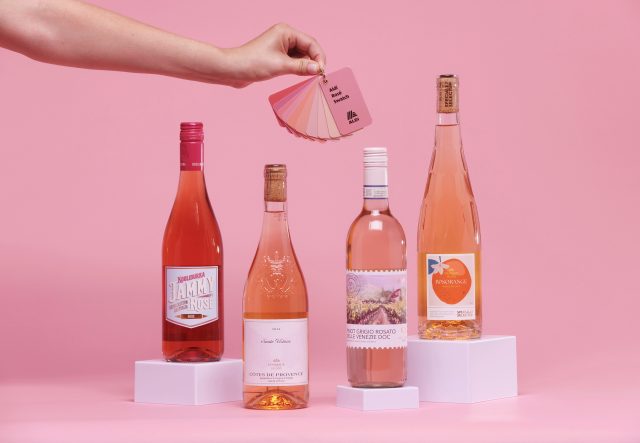
Aldi has created a pocket-sized Rosé Swatch keyring to help shoppers identify their preferred shade of pink wine before buying a bottle.
The promotional launch follows research commissioned by the supermarket, which found that 31% of UK adults had refused a glass of rosé because of its colour.
More than half of respondents, 56%, said colour was an important consideration when choosing a bottle, with 23% admitting that they always selected rosé according to its shade.
Aldi estimated that the rejected glasses were collectively worth more than £103m each year.
Pale rosé remains the favourite
The research found that a light Provence-style blush was the most popular rosé colour, preferred by 40.9% of respondents.
Pale salmon rosé followed with 20.6%, ahead of pale Italian pink at 6.4% and deeper-hued rosé at 6.3%.
Some 13% of respondents said they had rejected a glass because it was too pale, with 18% doing so because it was too dark.
A further 18% said they had wanted to refuse a glass due to its colour but accepted it out of politeness.
Choosing for somebody else appeared to bring its own difficulties. Aldi found that 29% did not trust another person to select the right shade, with 32% describing buying rosé for somebody else as stressful.
Partners were regarded as the safest people to entrust with the purchase, although only 31% believed theirs would make the correct choice.
Sales rise during hot weather
The campaign comes as rosé continues to outperform parts of the wider UK wine market.
Two thirds of those surveyed said summer was the season in which they were most likely to drink rosé. The average drinker expected to consume 20 glasses over the summer, paying an average of £6.40 per glass or £15.60 per bottle.
The most popular time for the first glass was 8pm.
Aldi said sales of Chassaux et Fils Sainte Victoire Rosé had doubled year-on-year, with Costellore Primitivo Rosé up 64%.
Partner Content
Julie Ashfield, chief commercial officer at Aldi UK, said: “As soon as the weather warms up, we see shoppers reaching for rosé, and this recent spell of sunshine has helped drive another fantastic summer for the range, with popular rosé bottles’ sales increasing year-on-year.
“Our research shows people have surprisingly strong opinions about the colour of their rosé, with many admitting they’ve rejected a glass simply because it wasn’t the shade they were hoping for. The Rosé Swatch is a fun way to take the guesswork out of choosing rosé while encouraging shoppers to discover that every shade has something different to offer.”
Colour does not determine quality
Aldi wine expert Sam Caporn MW cautioned drinkers against treating pale rosé as inherently superior.
“Many of us think a pale rosé is automatically ‘better’, but that’s just not true. The colour is about style, not quality,” she said.
“Paler hues are usually lighter and more delicate, while darker rosés, such as those made from Primitivo or Syrah, can have deeper fruit flavours and often pair beautifully with food, so don’t be afraid to explore the full colour spectrum.”
Caporn also argued that adding ice should not be regarded as a serious rosé offence.
“Despite half, 51%, of Brits saying they wouldn’t dream of it, the cold temperature softens acidity for a smoother, incredibly refreshing finish,” she said.
She recommended drinking rosé young, particularly fresher styles from Provence, and encouraged consumers to experiment with garnishes including berries, strawberry and jalapeño.
Confusion over rosé production
Despite rosé’s popularity, Aldi’s research suggested considerable uncertainty over how it is made.
More than half of respondents, 56%, incorrectly believed that rosé was produced by mixing red and white grapes, with 16% thinking it came from a distinct variety of “rosé grapes”.
Drinkers identified 6.9°C as the ideal serving temperature and generally believed bottles should be chilled for between one and three hours.
As previously reported by the drinks business, rosé has provided one of the few areas of growth within the struggling UK still wine market.
UK rosé volumes rose 3% over the previous year, with value sales increasing 5% to £882m. Consumers bought the equivalent of 129 million bottles during 2025, compared with 125m in 2024.
The growth has been led primarily by affordable French brands priced below £10, including La Vieille Ferme, La P’tite Pierre, Le Bijou de Sophie Valrose and Studio by Miraval.
Aldi’s limited-edition Rosé Swatch will be distributed through a giveaway, with entries accepted by email until 11 August 2026.
Related news
Château Galoupet puts sustainability at the heart of rosé


