



Cru World Wine sees huge demand for its ‘community-ownership’ share offer
Cru World Wine has launched a new offer to its clients to become partially ‘community-owned’, as it plans to become the “Right Move of fine wine”.
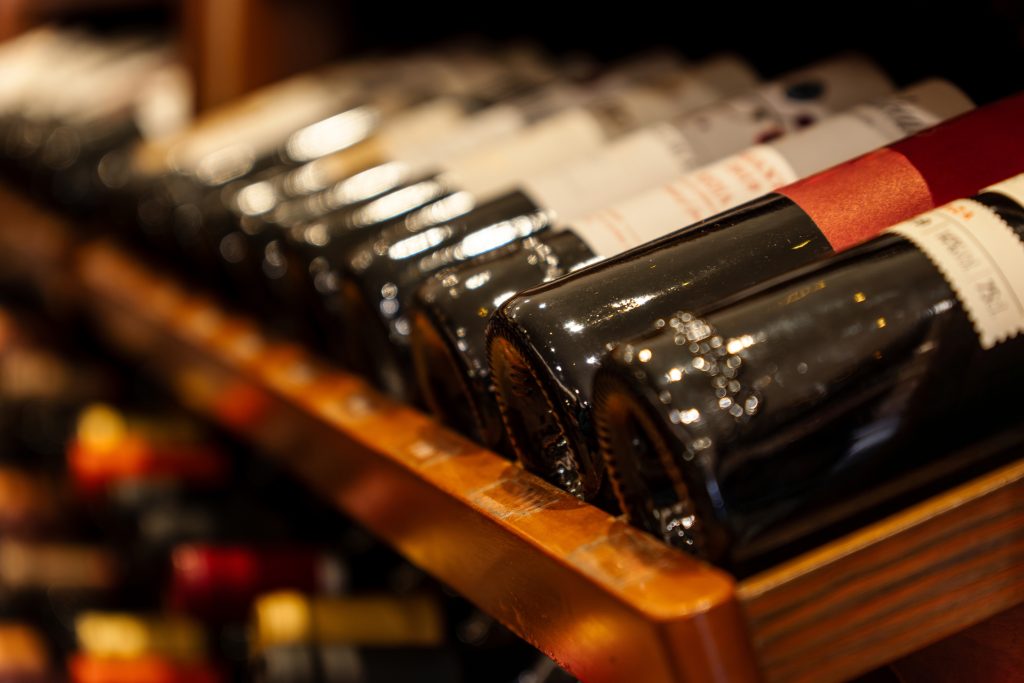
The company is offering the users of its platform the chance to become full voting shareholder in the company. As well as holding a financial stake, they will receive a range of benefits and rewards including loyalty points (called Vinios) on their purchases and storage, specially selected offers and rare parcels, priority on allocations, lower selling fees, a £250,000 bidding limit, free delivery on most orders, and the chance to borrow up to 65% of their value of their portfolios at preferential rates.
According to chief executive Jeremy Howard, it is not only a way for the company to differentiate itself from its competitors, but also to give clients a sense of partnership and a stake in the value that they help create.
Fine wine collectors currently receive little or no benefit from transacting with a fine wine merchant, he pointed out, despite funding the merchant’s operating costs and the the team are looking to redefine this relationship. It is he a model that no one has really tried to apply to fine wine – although he recognised the success of the Wine Society’s mutual organisation.
“We wanted to create more of an alignment where clients are incentivised to do more of their business with us and store more wine with us,” he explained to the drinks business in an exclusive interview. “There are people who are spending a lot of money storing a lot of wine and creating quite a lot of value for merchants, but in the traditional model, they don’t get any benefit from that.”
The bigger the company gets, in theory, the more valuable their shareholding will be.
“Marketplaces thrive on network effects: the more buyers and sellers, the greater the liquidity for everyone. As transaction volumes increase, services such as storage become more efficient, reducing costs across the platform,” he said. “We’re not looking to sort of take every last ounce of margin out for our owners, but see [customers] as long-term partners.”
There is also a strong element of it instilling a greater sense of loyalty among its client-base, which can be difficult, for fine wine collectors and investor tend to talk to, and buy from, lots of different companies, and potentially store it somewhere else.
“Engendering that loyalty is really quite difficult,” he said. “Rather than giving away points or incentives and free days here or trips to that, maybe we should go the whole hog and try to create a tier of owners who actually have a real stake in the company.”
Partner Content



Spun out
The company was originally spun out of Bibendum’s fine wine business back in 2013 by Simon Farr, who became Cru World Wine’s chairman, and Jeremy Howard, chief executive, with the backing investment of a European family office, who owned around 60% of the business.
The aim is to raise £1.5 million, which translates at around 7% of the business, “a nice sort of sizeable minority,” Howard notes, but interest has already far exceeded this, even before the offer goes full live.
“We had a very significant response to our early access push, so we’ve had just over 420 clients now who indicated that they’d like to invest and become owners, and that a very substantial amount!” he said. This came as something of a surprise, given that the fine wine is a traditional market and “you never quite know what the response is going to be.”
As well as growing the company, the team are also looking at providing exit possibilities so that at a later day people will be able to buy and sell share to realise some liquidity. “It would be nice to give them the chance to realize some value rather than be [permanently] locked in,” he said.
In the meantime, the investment boost will be used to harness new technology to improve the experience of fine wine collectors, for as Howard points out, Cru World Wide is “all about being a technologically advanced platform and using AI and all kinds of other things”.
Critical time
Howard argues that fine wine is entering a period “of profound structural change”, as there are” too many sub-scale merchants and fragmented inventory holders within the distribution chain creating duplicated costs and unnecessary friction.”
A lot of fine wine companies have cost bases that are sized for Covid levels of business, he explained, which masked the inefficiencies, but since the slump of 2022, many of the companies are really struggling and consolidation may be inevitable.
“We’re hoping to formalize a process whereby we effectively act as the selling agent and operations clearance for other merchants and allow them to get back to what they really want, which is buying wines and talking directly to their own clients,” he said.
Related news
'Fantastic time to be a whisky drinker’ as Hedonism launches own-label range
Aldi launches rosé colour swatch as shoppers reject the ‘wrong’ shade
How artificial intelligence is safeguarding a millennia-old practice


