



Winding through Austria’s diverse Niederösterreich vineyards
Niederösterreich is well-known to wine aficionados for its high quality, but recent results in The Global Wine Masters show that it defies categorisation and can claim diversity as its calling card.
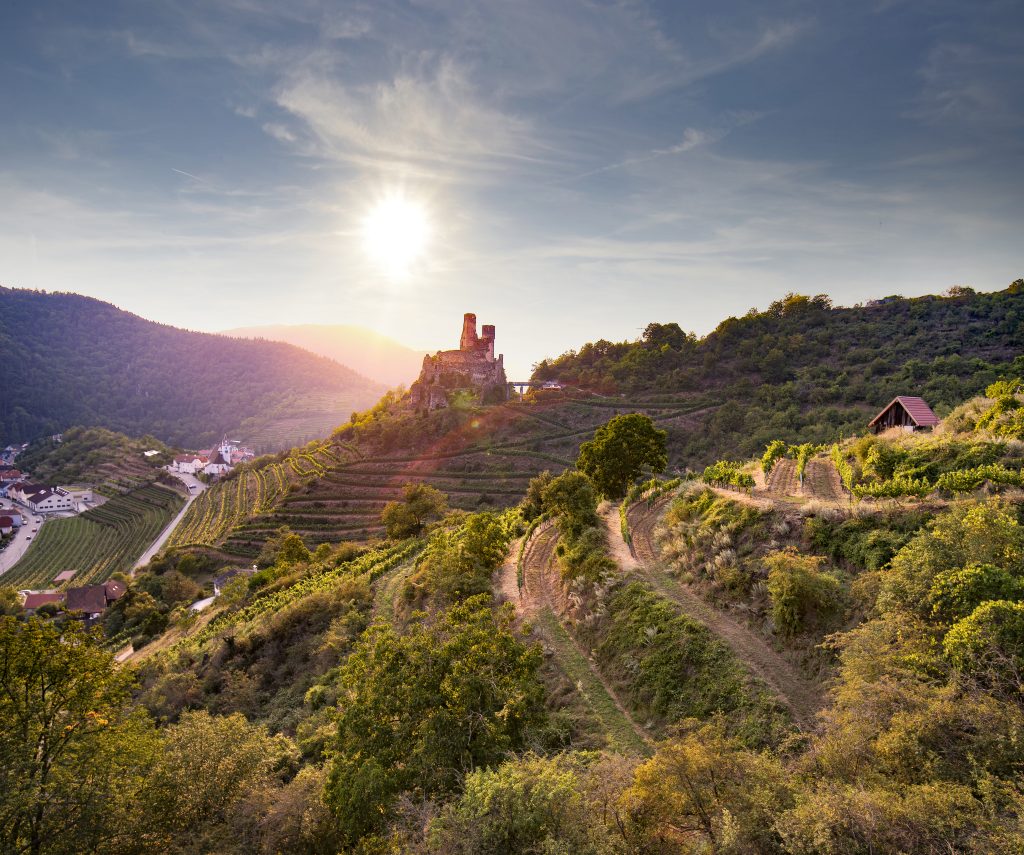
The Danube is one of Austria’s great cultural exports. Whether you think of natural beauty, majestic abbeys or refrains of Strauss, the Danube is never far from the image of Austria.
For wine lovers, meanwhile, it is inseparable from some of Austria’s best vineyards. Niederösterreich, the largest of Austria’s state-level wine regions, has the river as one of its defining features. It winds through the region and traverses many of its famed sub-regions – the likes of Wachau, Kamptal, Wagram and Carnuntum.
Even the areas such as Weinviertel which are further removed from have been, in the long term, created by it. The course of the river defines much of central Europe, with vast swathes of territory sitting in its water basin. The route to the Danube has shaped river pathways, cut through hills and influenced biomes. Much as you might see Neusiedlersee as emblematic of Burgenland or the ancient volcanoes as emblematic of Steiermark, the river is a suitable mascot for Niederösterreich.
That is particularly apt because the river, flowing through changing landscapes, conveys something of the diversity of Niederösterreich. Although many are taught to think about the region of Niederösterreich, it is not a single region in the sense that it is homogenous. Instead, it is a changing landscape united by some commonalities.
Tracking the changes
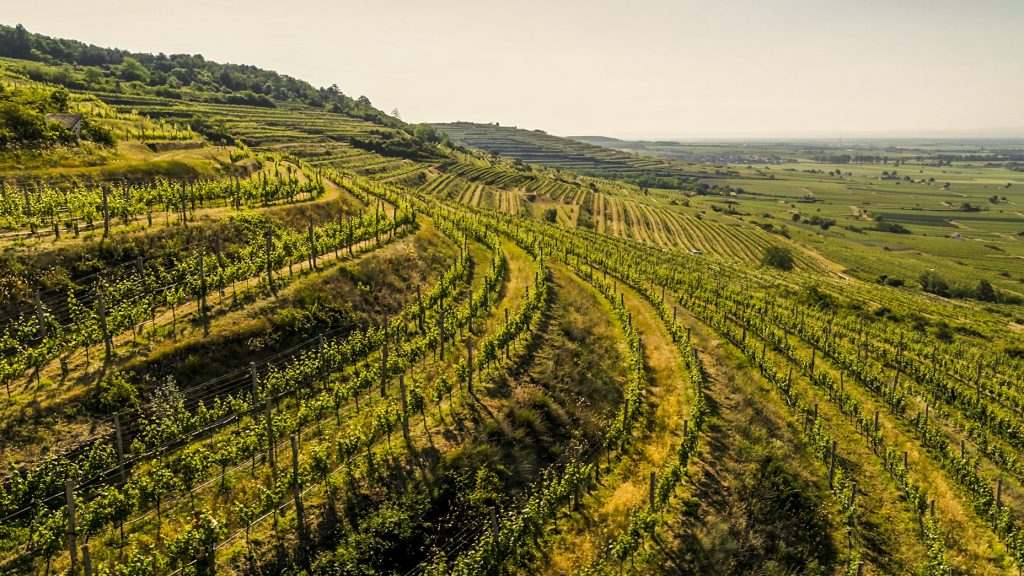
The westernmost edge of Niederösterreich is Wachau, a region renowned for its natural beauty and known among oenophiles for its terraced vineyards and ageworthy white wine. The direct influence of the river on vineyard sites continues in its neighbouring regions, Kremstal and Kamptal.
Following the path of the river, you then find Wagram, a region famed for its loess soils that retain heat and provide wines with a characteristic spicy note.
Excluding Vienna – a separate region in wine classification that has its own speciality of Wiener Gemischter Satz – flowing with the Danube will then bring you to Carnuntum. The region shows a marked difference to Niederösterreich’s western flank.
There, the Danube offers a regulating effect on the Pannonian climate, which tends towards hot summers and cold winters. Thanks to this intense growing season, it grows a variety of grape varieties, though perfectly ripe Zweigelt is a speciality.
Then there are the wine regions further from the Danube, whose unique terroirs contribute to the overall diversity of Niederösterreich. Traisental’s vineyards flank the Traisen before it flows into the Danube, with terraced vineyards on calcareous soils. Thermenregion, on the other hand, stretching south of Vienna, has a pronounced Pannonian climate and a long history evidenced in its diverse climates.
Weineviertel, meanwhile, defies easy categorisation. With nearly 13,000 hectares under vine, it is known for mineralic whites in the northeast, but fruity reds in the west.
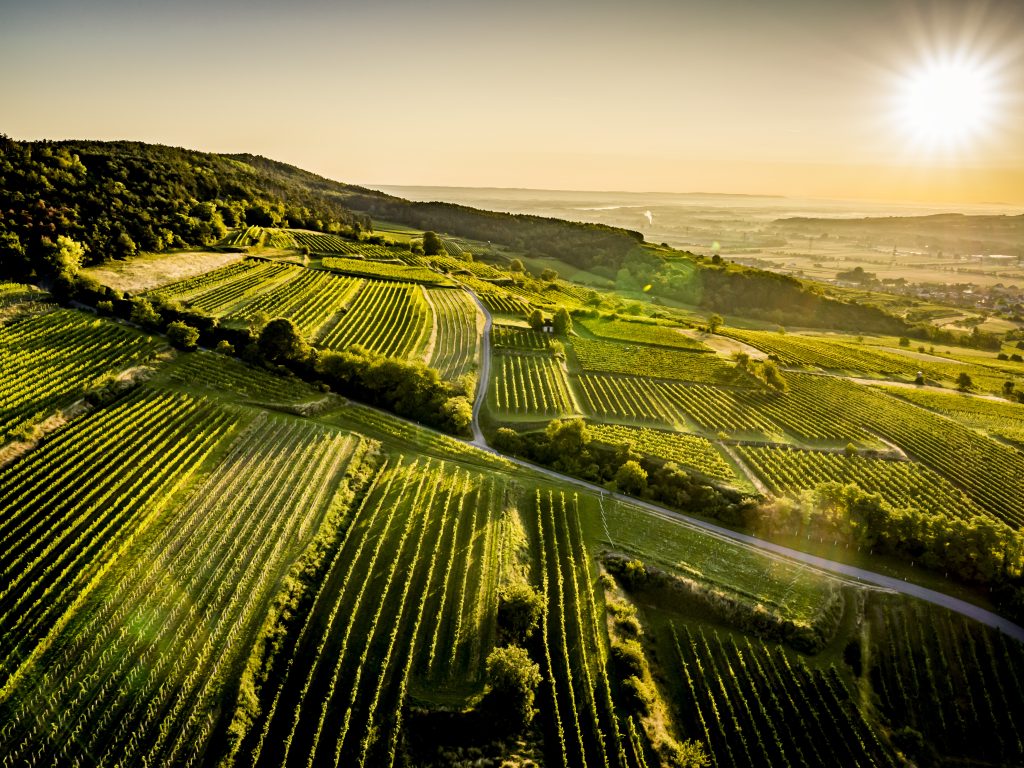
Diversity, clearly is a calling card of Niederösterreich. From geology to climated, its sub-regions offer a wealth of terroir influences to determine wine style.
It still has its unifying factors, however. All the regions strike a balance between continental warmth and moderating influences (often the Danube, but not always). In every case, Grüner Veltliner, Austria’s flagship variety, is either the most planted or in second place.
Crucially, it is also united in pursuit of quality. This is perhaps more of an Austria-wide phenomenon; the scandals of the late 20th century have now been virtually forgotten thanks to a country-wide focus on quality and authenticity.
Still, the success of Niederösterreich in producing wine is not to be underplayed. At The Drinks Business Spring Tasting 2026, its wines competed blind against competition from all over the world. The region secured a clutch of Gold medals.
db’s expert judges give their notes on some of the standout examples below.
Grüner Veltliner Ried Wehrleiten Steinzeit Große Reserve 2023
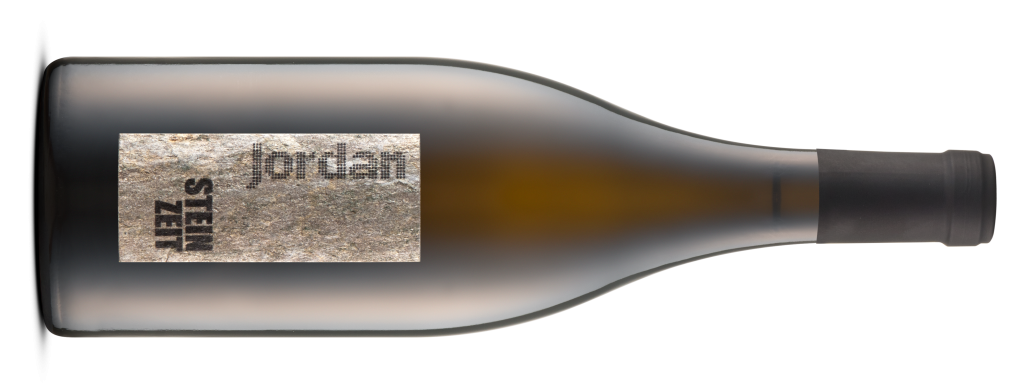
- Producer: Jordan
- Region: Niederösterreich
- Country: Austria
- Grape varieties: 100% Grüner Veltliner
- ABV: 13%
- Residual sugar: 1.9g/l
- Approx. retail price: £50
- Medal: Gold
A delicious and enticing top-end single-vineyard Gruner Veltliner with a touch of oak influence. Complementing notes of juicy pink grapefruit and ripe pear is a touch of pepper, beeswax, and then some caramel and vanilla too. While the wine has a broad, slightly viscous core, the finish is lively, with a cleansing mix of lemon and salt. (Patrick Schmitt MW)
Riesling Ried Gaisberg 1ÖTW 2023
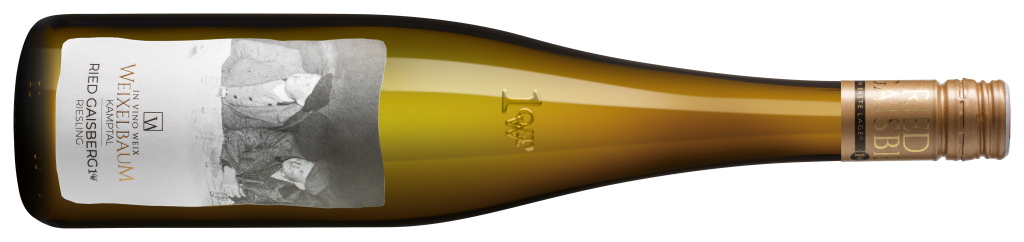
- Producer: Weixelbaum
- Region: Kamptal
- Country: Austria
- Grape varieties: 100% Riesling
- ABV: 13.5%
- Residual sugar: 5.8g/l
- Approx. retail price: £36
- Medal: Gold
An outstanding white wine with plenty of ripe citrus flavours, from sweet orange to juicy grapefruit. Complementing these are characters of white peach, beeswax and a touch of cashew, before this powerful, oily, dry Riesling finishes with a mouth-watering note of lime zest. (Patrick Schmitt MW)
Laurenz V Friendly Grüner Veltliner 2023
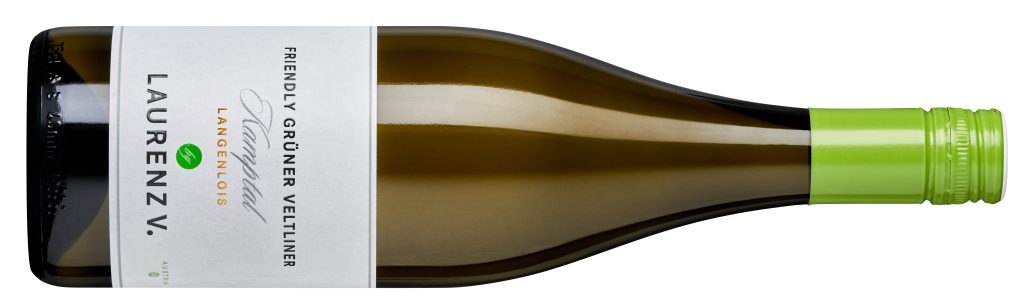
- Producer: Laurenz V
- Region: Kamptal, Niederösterreich
- Country: Austria
- Grape variety: 100% Grüner Veltliner
- ABV: 13%
- Approx. retail price: £28
- Medal: Gold
From the Kamptal region near Langenlois, this wine is as friendly as its name. Pale lemon-yellow in colour, it has green apple, apple skin and peach, with nutty and buttery nuances giving complexity. Creamy-textured, the palate is mid-weight with wellintegrated brisk acidity and some herbal notes. Nice definition and length. Perfect with seared skate cheeks or seared sea scallops in lemon-lime, white wine and basil sauce. (Patricia Stefanowicz MW)
Artner Blaufränkisch Ried Kirchweingarten 1 Ötw 2022
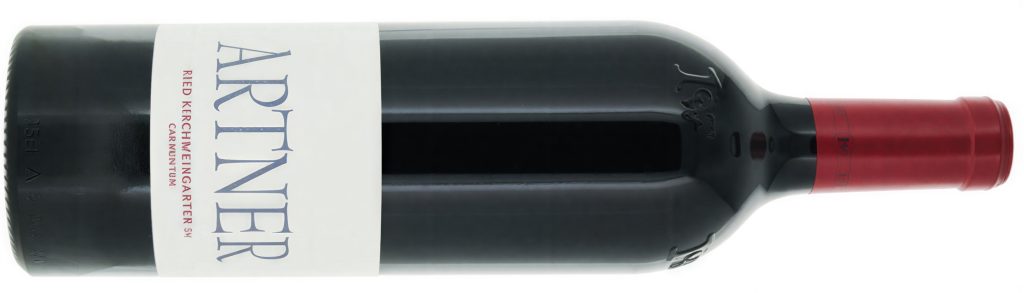
- Producer: Artner
- Region: Carnuntum
- Country: Austria
- Grape variety: 100% Blaufränkisch
- ABV: 13.5%
- Approx. retail price: £35
- Medal: Gold
Deep pink-ruby in colour, the wine shows a clean, fresh and pronounced nose with youthful energy. Ripe bramble and subtle vanilla dominate the aromatic profile. On the palate, it is fullish-bodied and dry, with moderate acidity, warm alcohol and ripe, rounded tannins. Juicy dark fruit carries through the mid-palate, leading to a finish of respectable length. (Jonathan Pedley MW)
Gemischter Satz 2024
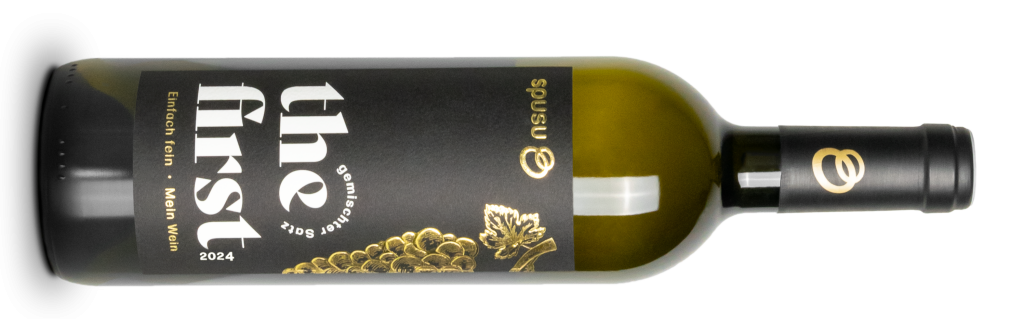
- Producer: Spusu Wein
- Region: Niederösterreich
- Country: Austria
- Grape varieties: Grünerveltliner, Riesling, Weissburgunder
- ABV: 13.0%
- Approx. retail price: £28.00
- Medal: Gold
Franz, Andrea and Veronika Pichler have adopted Goethe’s motto, ‘Life’s too short to drink bad wine’, as their own and so aim to produce exceptional wines. This delicious organic wine certainly delivers. Pale golden-hued, the aromatics show apple, apricot and peach overlaid with white flower and white pepper notes. Dry and medium-bodied, the intensely-flavoured palate has good definition, crisp acidity and a hint of astringency giving added grip. Gastronomic, the wine will nicely match classic scampi with garlic, parsley and lemon. (Patricia Stefanowicz MW)
An Austrian wine from Neusiedlersee in Burgenland also took home the competition’s highest accolade: it was named Grand Master.
Scheurebe Trockenbeerenauslese Essenz 2021
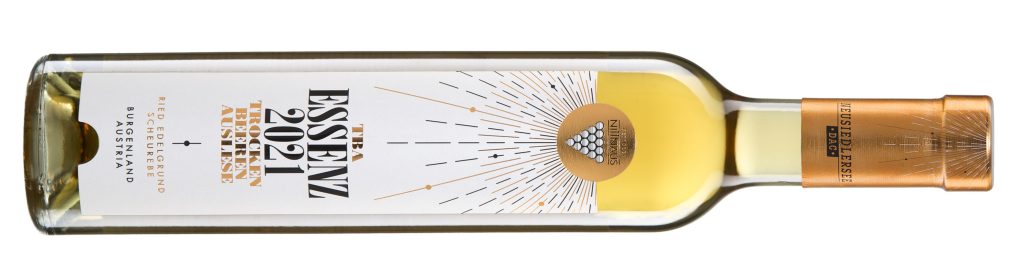
- Producer: Gebrüder Nittnaus
- Region: Neusiedlersee DAC
- Country: Austria
- Grape varieties: 100% Scheurebe
- ABV: 7%
- Residual sugar: 314g/l
- Approx. retail price: £35
- Medal: Grand Master
A wonderful, indulgent and surprisingly affordable, intensely sweet white wine from Austria. Double the sugar content of sauternes, yet still refreshing, this is an incredible drink to sip; weighty and complex, yet cleansing. Flavour-wise it’s led by candied orange, raisins, dried apricots and caramel, then a wonderful mix of burnt sugar and lime-zest come to the fore on the long finish. Drink instead of pudding, or serve with Tarte Tatin. (Patrick Schmitt MW)
Related news
Fine wine market stabilised during H1 as US buyers 're-engaged'
Australian wine harvest falls to 25-year low
Wanderlust bets on Sardinia as demand shifts to Italy's lesser-known regions


