



Château Léognan unveils its new consultant winemaker
One of the (many) delights of writing for the drinks business as its Bordeaux correspondent is the opportunity to visit for the first time a property whose wines one knows only a little or by reputation only. Every now and again this throws up a jewel – and Château Léognan, under new consultant winemaker Sébastien Vergne, is such a jewel, writes Colin Hay.
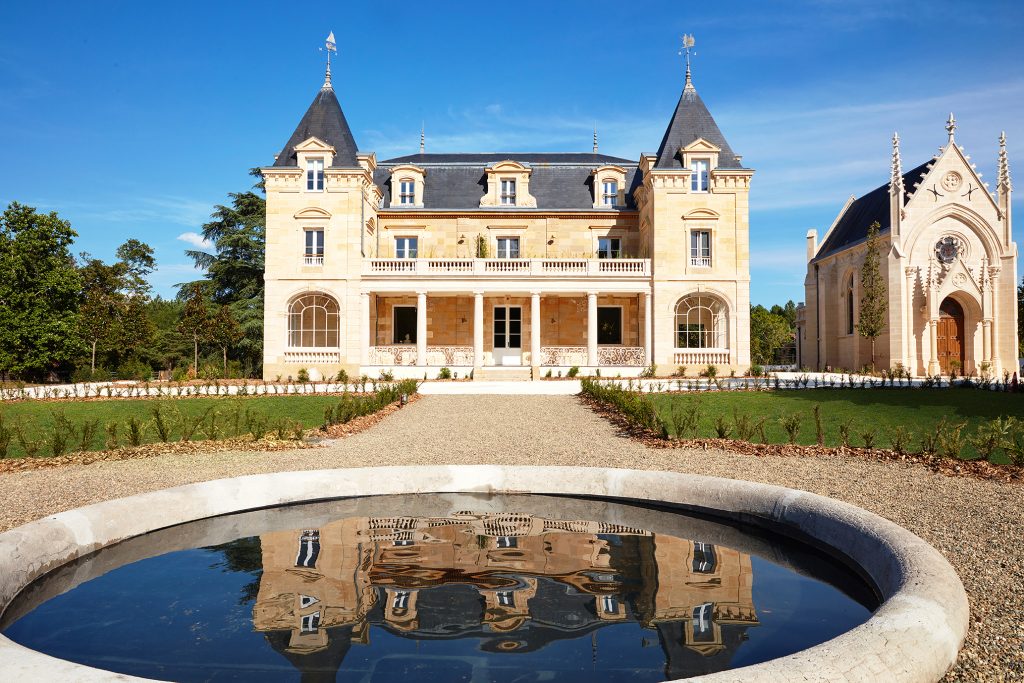
@gaelleleboulicautpics ww.gaelleleboulicaut.com
And so it is here, with the still as yet rather confidential Château Léognan the latest of my charmed discoveries. This is a property that I have visited now twice in the last three months. The most recent occasion was in May for an extensive vertical tasting arranged to introduce to me its new – and, as it turns out, rather talented – consultant winemaker, Sébastien Vergne.
Léognan and Vergne are, I suspect, names that it would be good to remember.
Situated in the extreme south-western corner of the appellation, the vineyard is very well-placed, close to Domaine de Chevalier and Châteaux de France, de Fieuzal and Le Sartre.
It was planted in the 1980s by none other than Olivier Bernard as fermage for Domaine de Chevalier with the vines cultivated by the property under licence to, and exclusively for, its rather illustrious neighbour. This explains its relative anonymity. For until its purchase in 2007 by Philippe and Chantal Miecaze, no wine was bottled under the Chateau Léognan label.
The vineyard remains today essentially as it was constructed by Olivier Bernard, with only the Petit Verdot planted more recently (and used for the first time in the 2025 vintage).
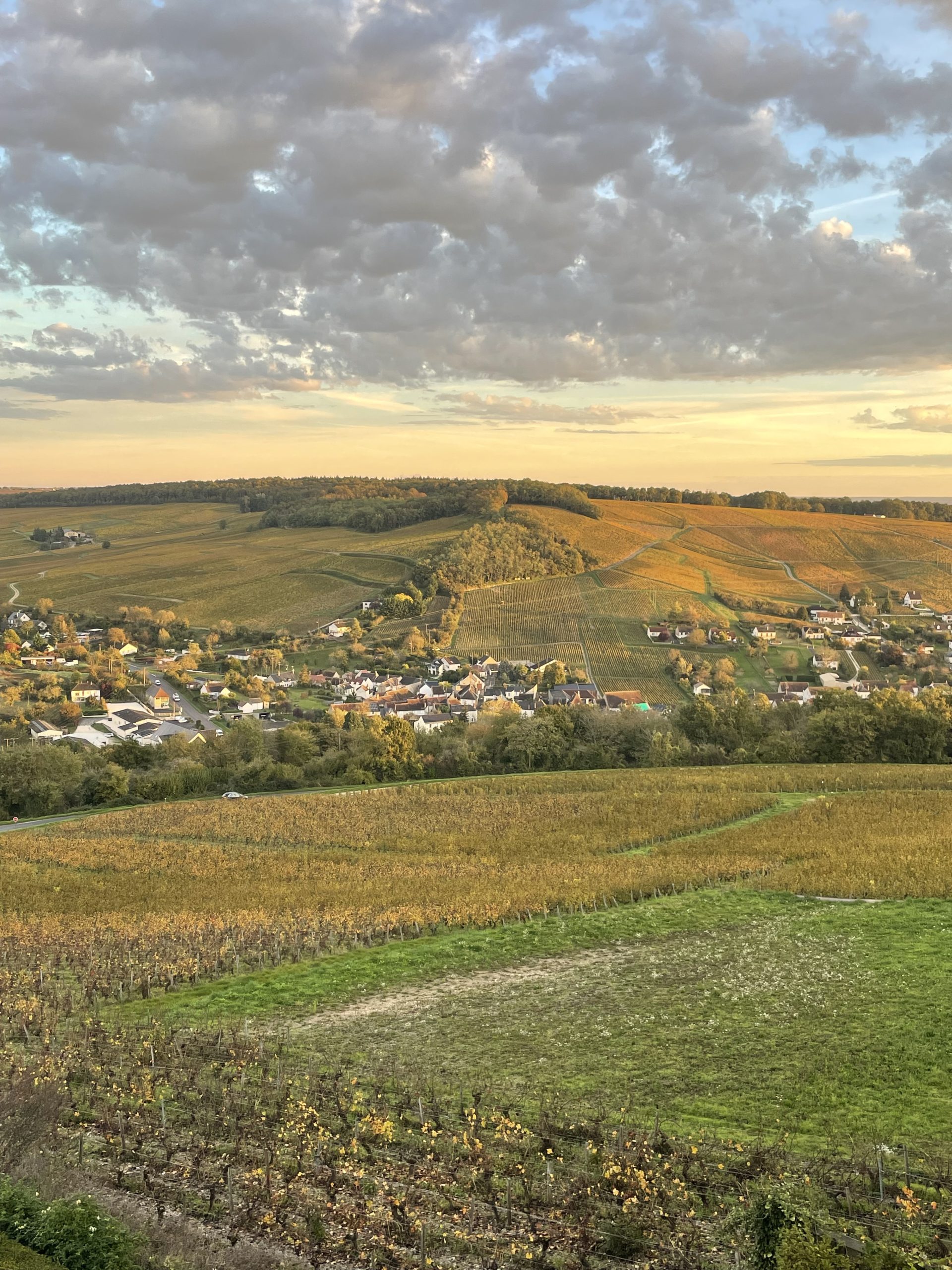
It is small, just 6 hectares on sandy gravel in a single block entirely surrounded by forest. And that forest is extensive, with only 10% of the estate’s 60 hectares under vine. This of course gives impressive natural biodiversity, with the forest also locking in a certain freshness in the vineyard that it protects. No pesticides or chemical fertilisers have been used since the vineyard was first planted.
All of this renders Chateau Léognan rather distinctive. But although that is certainly part of the secret to the quality and character of its wines, rather more significant still is the almost unprecedentedly high proportion of Cabernet Sauvignon in the vineyard and the final blend.
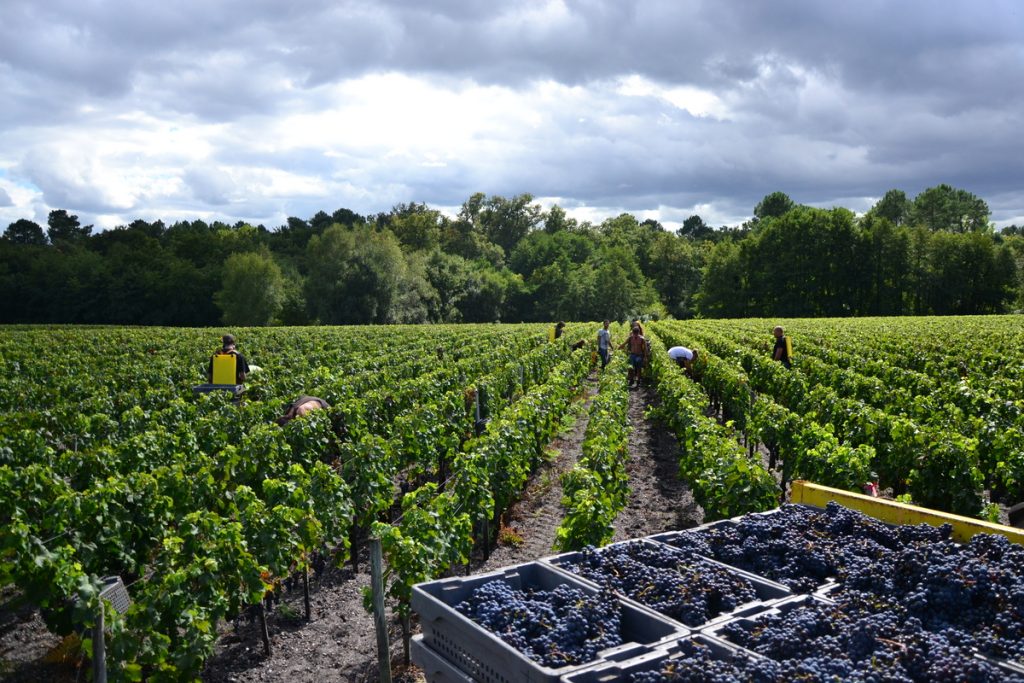
This turns out to be a massive advantage in the period of seemingly accelerating climatic change through which we are living. The only downside is that the vineyard itself is also rather sensitive to frost (with notably diminished yields in 2013, 2016 and 2017).
Since January 2025 the property has been working with Sébastien Vergne (formerly of Château Margaux) as its consultant winemaker. But as my tasting notes below attest, this is less an entirely new departure than the continuation of a long-standing record of excellent viticulture at the property. This is hardly surprising when one considers that between 2007 and 2012 it was none other than Marielle Cazaux who, alongside Philippe Miecaze, was the winemaker at Chateau Léognan before she left for Pomerol, first at Petit-Village and then at La Conseillante.
The estate’s 6 hectares under vine are dedicated to Cabernet Sauvignon, Merlot and (now) just a little Petit Verdot. A white (not tasted as part of this vertical) is produced under the château label with grapes sourced from the Graves.
The wines are characterised by a naturally low pH, giving them a characteristic freshness that, in combination with the high proportion of Cabernet in the blend, helps so much in hot and dry vintages such as 2015, 2018, 2022 and 2025. Yet my tasting notes reveal a very impressive consistency in the wines regardless of the prevailing vintage conditions. Château Lêognan displays a rare capacity to deal with both wet and cold, on the one hand, and hot and dry on the other, with excellent results in 2018 and 2025 but also 2013, 2017 and 2021.
The high percentage of Cabernet Sauvignon, the age of the vines and the sheer quality of the terroir are all significant factors. A typical blend for the property contains 70% Cabernet Sauvignon, a figure really only ever attained – and even then, only rarely – at Smith Haut-Lafitte and Domaine de Chevalier (where the Cabernet Sauvignon is typically around 60%). Carmes Haut-Brion has around 70% Cabernet in the vineyard, but the majority of that is, of course, Cabernet Franc.
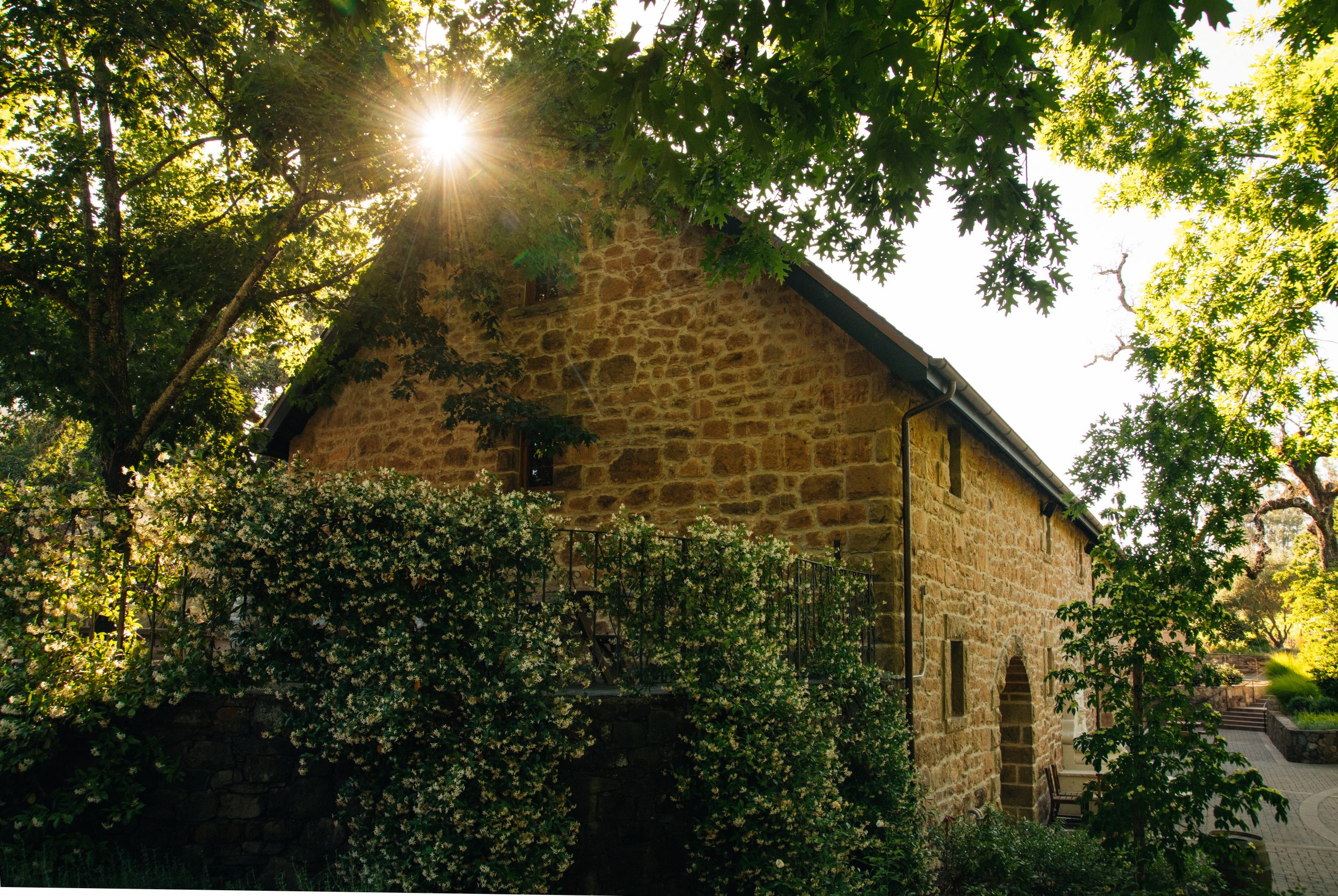
The property richly rewards a visit – and not just for the quality of its wines. Its delightful château buildings include a rare privately consecrated 18th century chapel. Both have been fully and sensitively restored. The Château itself now serves as a luxury hotel – with a stylish restaurant alongside. The grounds are extensive with the gardens designed by the Frères Buhler, more famous for Bordeaux’s beautiful Parc Bordelais.
Tasting notes
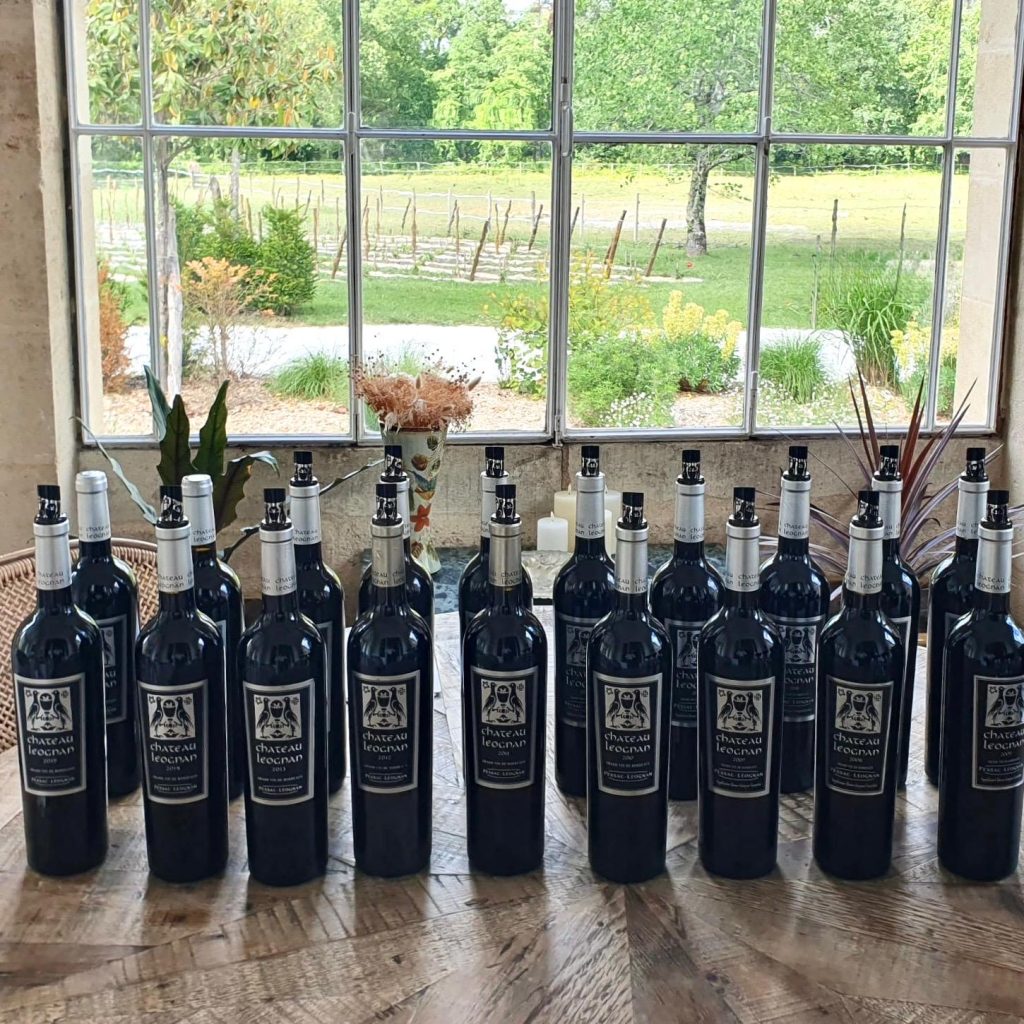
- Particular highlights: 2009, 2011, 2012, 2015, 2019, 2020, 2025
- Vintage revelations: 2013, 2017, 2018, 2021, 2024
Chateau Léognan 2007 (Pessac-Léognan; 70% Cabernet Sauvignon; 30% Merlot; a final yield of 19 hl/ha; pH 3.48; 12.8% alcohol). This is very attractive aromatically and impressively youthful, like really all of these wines. Nutty. Sweet-scented. Pure. Lifted. Aerial. And with pleasing cedary notes. Plums and dark berries. A touch of espresso. There’s no great length here, but this has aged gracefully and there is no hint of dryness. Drink relatively soon but this will hold for a good 5 years still. 91+.
Chateau Léognan 2008 (Pessac-Léognan; 74% Cabernet Sauvignon; 26% Merlot; a final yield of 37 hl/ha; pH 3.66; 13% alcohol). This is a little more closed at first and takes a while to gather itself and reveal its charms. There’s a touch of horsehair. Charcuterie, too. The fruit is a little darker. Plums. Maybe a cherry or too. It’s decidedly more ample in frame and more substantial too. And its juicy and quite succulent at the core. There’s a slight residual sweetness from the oak. What I really like is the grip of the tannins and the hint of a fantail that forms on the rolling finish. 92.
Chateau Léognan 2009 (Pessac-Léognan; 75% Cabernet Sauvignon; 25% Merlot; a final yield of 38 hl/ha; pH 3.53; 13.1% alcohol). This is altogether more classical and one senses, for the first time in the series, a little the heat and sunshine of the vintage. Currants. Red and darker berry fruits. But with fresher wild herbal notes too. A little liquorice. This is ample in frame and succulent at the core, pushing into the cheeks. It’s also impressively aerial and quite sinuous with little eddies and swirls in the space afforded the fruit by the ample frame. The best and the freshest of these in the series to date and very much at the top of the palate on the finish. 94.
Chateau Léognan 2010 (Pessac-Léognan; 68% Cabernet Sauvignon; 32% Merlot; a final yield of 37 hl/ha; pH 3.55; 13.2% alcohol). This is excellent, even in the context of the vintage. But it is far from being my favourite in the flight. Tasted blind, I’d be impressive but in the context of this vertical I find it a little stolid and closed. It’s going through a phase, and it needs time! Horsehair. Game. Dark berry and stone fruits. This is ample, once again, and very dense and compact with less charm than the 2009 at least for now. This will go the distance but will never lose some of its slightly foursquare elements I suspect. Full, deep and layered. Long and gently rolling on the finish. 92.
Partner Content
Chateau Léognan 2011 (Pessac-Léognan; 63% Cabernet Sauvignon; 37% Merlot; a final yield of 32 hl/ha; pH 3.61; 13% alcohol). In contrast to the 2010, this is open, juicy, aerial and quite lifted. We find garrigue herbs, a little liquorice, notes of charcuterie and game and a little oak smoke. Plum and baked bramble. There’s impressive depth and density to the mid-palate. I find this a little foursquare too, but it’s not as ample in frame as either the 2009 or 2010 and that rather helps. What we do have is more clarity and precision, impressively so. The 2011 is fresh on the finish and youthful, as you’d expect. It’s just starting to enter its drinking window and is ready to charm those open to having their image of this vintage recalibrated. 93.
Chateau Léognan 2012 (Pessac-Léognan; 74% Cabernet Sauvignon; 26% Merlot; a final yield of 33 hl/ha; pH 3.65; 13% alcohol). There lots of Cabernet in the blend here and it’s used to lovely effect. Lifted and aerial, with almost a note of heather alongside the wild thyme, the dark berry fruits, the espresso coffee bean and tobacco pipe smoke. Ample, plump, plush, succulent and soft in contrast to more substantial and stolid 2010 and 2011! It is also beautifully sapid and juicy on the well-sustained finish. The last vintage made by Marielle Cazaux and it’s very much in her style. A coup de coeur. 93+.
Chateau Léognan 2013 (Pessac-Léognan; 78% Cabernet Sauvignon; 22% Merlot; a final yield of just 10.2 hl/ha after the frost on the 6th of April; pH 3.70; 12.7% alcohol). This is bright and crisp in its red berry fruit freshness. The oak is imperceptible which is a very good thing in a vintage like this. For this is all about the purity of the fruit. It’s simple, easy, but very well managed. It’s soft, supple and engaging too, the tannins having none of the dryness that made this such a tricky vintage to taste en primeur (well, there’s maybe just a hint on the finish – but right at the end). It is also longer on the finish than you might if a little slender. Difficult to pick blind as 2013, which is a considerable compliment. 90.
Chateau Léognan 2014 (Pessac-Léognan; 69% Cabernet Sauvignon; 31% Merlot; a final yield of 38 hl/ha; pH 3.58; 13% alcohol). After a series of rather singular wines from singular vintages, this is rather more classical in its composition. It’s gracious too and one of most accessible and charming wines of the tasting. It’s fresh and lifted like the best of these. It’s plump, plush and definitively juicy. The mid-palate is packed with dark berries and a little plum. Yet is also has the amplitude to push into the cheeks. There’s a touch of mocha on the finish and a little cedar. A lovely very balanced expression of the vintage. 93.
Chateau Léognan 2015 (Pessac-Léognan; 61% Cabernet Sauvignon; 39% Merlot; a final yield of 32 hl/ha; pH 3.55; 13.4% alcohol). Lovely too. This is similar in a way to the 2014, definitely cut from the same cloth. But it’s a little richer, a little fuller and a little sunnier in its character and disposition, as you’d expect, with the accent in the fruit profile on confit strawberries! It’s ample, too, with perhaps a little more clarity in the layered mid-palate. The tannins are very fine and seem to work themselves between the layers rendering this both joyous yet serious at the same time. It captures the vintage very well – opulent, on the one hand, but accessible too. The ferrous minerality is very present on the juicy finish. 93+.
Chateau Léognan 2016 (Pessac-Léognan; 70% Cabernet Sauvignon; 30% Merlot; a final yield of just 12.6 hl/ha after significant frost on the 3rd of May; pH 3.60; 13.2% alcohol). This is very different and more serious in a way. Fennel. Wild herbs. Crisp, dark berry fruits. A little charcuterie and that touch of ferrous minerality again. There’s even a little hint of tomato stem. This is saline in its minerality and almost a little Italian – I’m thinking Sangiovese from Léognan! It’s also very refined and almost luminous in its mid-palate clarity from the quality of the tannins. Juicy and quite sinuous despite the evident density, intensity and concentration of the fruit. In short, this is very impressive. 95.
Chateau Léognan 2017 (Pessac-Léognan; 66% Cabernet Sauvignon; 34% Merlot; a final yield of just 7.4 hl/ha after the frost on the 27 and 28 April; pH 3.55; 12.8% alcohol). Lovely with plenty of very dark briary fruits, all crisp, crunchy and al dente. Soft, relaxed, expressive and rather hauntingly beautiful aromatically. Wild thyme, rosemary, cedar and those soft plump dark berries – blueberries and mulberries and a little loganberry. Pure, fresh and simple in a way but youthful, delicate and decidedly juicy on the finish. 93.
Chateau Léognan 2018 (Pessac-Léognan; 71% Cabernet Sauvignon; 29% Merlot; a final yield of 39 hl/ha; pH 3.68; 13.1% alcohol). Aromatically there is little hint of the excessive heat and drought of the late summer. Indeed, this is cool at the core, balanced and harmonious – a tricky pick tasted blind. It’s ample and rich, of course, with nutty almost buttery notes on the mid-palate that are certainly a clue to the vintage. Cashmere in texture, sapid and fresh despite the richness and density. We may miss a few of the signature fresh herbal notes, but this is a very sapid and succulent wine. A great success and a tribute to the quality of the terroir. 94.
Chateau Léognan 2019 (Pessac-Léognan; 70% Cabernet Sauvignon; 30% Merlot; a final yield of 34 hl/ha; pH 3.71; 13.2% alcohol). There’s lovely freshness here and plenty of aromatic lift. Dark plump berries, cedar and a little tomato stem once again, that lovely ferrous note underscoring the saline minerality. It’s succulent too in the dense and layered mid-palate. I love the cedar, graphite and fresh roasted coffee bean notes released with aeration in the mouth that generously enrobe the plump dark berries and damsons. There’s quite a lot of tannin here still to resolve, but this is lovely already with plenty of up-side potential. 95.
Chateau Léognan 2020 (Pessac-Léognan; 67% Cabernet Sauvignon; 33% Merlot; a final yield of 41 hl/ha; pH 3.58; 13.1% alcohol). If anything, this is fresher still and it seems to have more of the character of the vintage than the 2019. We find cedar and graphite notes intermingling with the dark berries and that lovely damson skin freshness. There are wild herbs too. This is vivid and vibrant, despite the impressive density, with a lovely clarity and brilliance to the mid-palate. It’s perhaps my favourite of the entire series, with its long, bold and rippling finish. 95+.
Chateau Léognan 2021 (Pessac-Léognan; 80% Cabernet Sauvignon; 20% Merlot; a final yield of 38 hl/ha; pH 3.58; 12.8% alcohol). At this stage, the highest even proportion of Cabernet Sauvignon in the blend and, of course, that is the key to the identity of a wine that transcends the vintage. Bright and crisp, the mouth filled with red berry fruits. A little like the 2017 this is very fresh and crunchy and impressively youthful too, having lost none of its pure-fruited initial charm. Cedar and mulberry – the fruit much darker on the palate. Lovely dark berries fill the slender but densely packed frame. Simple but with great purity and freshness. A wine to recalibrate expectations of a rather underappreciated vintage. 94.
Chateau Léognan 2022 (Pessac-Léognan; 75% Cabernet Sauvignon; 25% Merlot; a final yield of 35 hl/ha; pH 3.60; 13% alcohol). Substantial. Colossal, even. This is a bit of a monster after the more subtle 2020 and 2021. Indeed, I could almost be tasting an en primeur sample. Plum and baked blackberries. This is rich, dark, monstrously concentrated yet open, expressive, articulate and very fine-grained in its tannins. There’s a lovely open-texture to the mid-palate accentuated by the considerable amplitude. Both sunny in disposition and fresh at the same time. Luminous yet opulent. This is perhaps the most impressive wine of the tasting, though it’s not my favourite. It’s most like the 2018 and, as that suggests, manages the vintage extremely well. 94.
Chateau Léognan 2023 (Pessac-Léognan; 90% Cabernet Sauvignon; 10% Merlot; a final yield of 29 hl/ha, with mildew the great problem here, reducing considerably the volume of Merlot available for the final blend; pH 3.72; 12% alcohol). The highest proportion of Cabernet Sauvignon ever here, as the mildew clobbered the Merlot disproportionately. This is much more toasty aromatically and much less like an en primeur sample than the 2022. It’s rich, supple, the tannins breaking into the core of the less ample frame here and injecting a swirl of energy into the mid-palate. This is another colossal wine with a load of ultra fine-grained tannins still to resolve. It’s not perhaps quite as refined as the 2022 and is going through something of a slightly angular phase, but it just needs time. 93.
Chateau Léognan 2024 (Pessac-Léognan; 75% Cabernet Sauvignon; 25% Merlot; a final yield of 35 hl/ha; pH 3.51; 12.9% alcohol; tasted from a barrel sample). Fresh, bright, lifted and distinctly crunchy in its dark berry and stone fruit signature. Creamy too, but with a lovely purity and freshness. Delicate in comparison to the 2018-2023 series, though still with plenty of stuffing for the vintage, this has been very nicely managed with the grip of the tannins imparting a lovely zippy freshness to the finish. Shapely, sapid and super for the vintage. 93+.
Chateau Léognan 2025 (Pessac-Léognan; 60% Cabernet Sauvignon; 35% Merlot; 5% Petit Verdot for the first time; a final yield of 29 hl/ha; pH 3.55; 13.1% alcohol). Crunchy with lots of vertical lift, nicely expressively aromatically with stalky herbal notes alongside the plum, damson and bramble fruits, with a little wild sage and olive tapenade. Peony bulb, iris. Violet and rose. There’s a lovely pleasing purity to this and a nice sense of density and compactness too. But, above all this is luminous and crystalline, fluid and energetic. Vivid. Brilliant. One of the best. 92-94+.
Related news
Château Galoupet puts sustainability at the heart of rosé
The winery betting on the ‘next chapter’ for cool-climate Australian wine
Goedhuis Waddesdon: ‘there is appetite for fine wine among the younger generation’


