



Goedhuis Waddesdon: ‘there is appetite for fine wine among the younger generation’
Goedhuis Waddesdon have supercharge their reach out to younger demographic over the last two years, arguing that “there is appetite for these things among the younger generation”.
According to Tilly Loughton, who has spearheaded the company’s “firmer focus” with the under 35s on the private client sales team, younger consumers “want to taste good stuff, learn about good stuff, interact with it, and engage with it in a really nice way.”
It must be admitted, her comments make a nice change from the oft-quoted doom and gloom narrative that the category is shrinking as younger consumers are not buying into it, but Loughton also notes that they are “a price conscious generation” and one that is buying wine in “a different way”.
As Helen Miller, commercial director points out, en primeur is a challenge for this new generation “because it doesn’t necessarily make sense to them in the same way that it would have done 50 years ago.” [That said, Goedhuis Waddesdon reported a more successful en primeur campaign this year than they “could have dreamt off”, telling the drinks business there were some “stand out successes that we weren’t necessarily expecting.”]
As Loughton continues, “en primeur used to be a system where it was so easy to buy and you’d know what you’re getting, and definitely that it was at the best price, but given the market at the moment, there are compelling prices on the secondary market. So I do think that young people – and lots of lots of my older clients – navigate buying wine in a different way. They are not afraid to go for more mature vintages, not just the default youngest vintages every year and build their cellar that way. They’re more open thinking about it.”
Commercial director Helen Miller notes that this is of huge strategic importance.
“We’re really championing it because the reality is that our long-term buyers already have a cellar full of wine and they’re of an age where we need to be thinking about replacing them [the clients, not the wine]”, she explained. “It could be a Bordeaux tasting, and our customers will say very openly to me, ‘I won’t be alive to drink that, so I’ll buy the vintage that’s drinking now’.”
New approach
But a different generation naturally requires a different approach, as a research paper published by fine wine think tank Areni Global earlier this year found, and with the nightmare that was Covid fading in the memory, face-to-face events are key, many with suppliers themselves.
“It’s so important to have face to face time with young people, actually getting them tasting wine and connecting with it,” Loughton explains. “Otherwise, it’s a nebulous concept, on a list or something you can’t really relate to.”
Partner Content
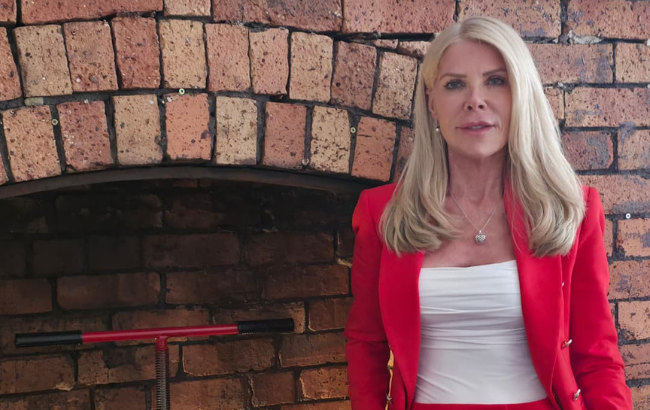
As a result the team are doing more regular ticketed events and tastings with only “a little bit of an educational focus”.
“Some are a bit more pitched at a wider audience, some might engage slightly more knowledgeable consumer, but we’ll always assume that there’ll be people in the room that don’t actually know wine,” she explained.
Female focus
An important reason for doing ticketed events rather than just having it invitation only, and targeting only just existing clients, is that a lot of Goedhuis Waddesdon’s younger private clients are men – and the team are making a conscious effort to attract a wider audience and a better male-female ratio.
As db has previously reported, women are an emerging market for fine wine, and according to Queena Wong, founder of a female wine networking community Curious Vines, provide a massive opportunity for the merchant who can “get it right”.
“In terms of a male-female split, there’s still this belief that men actually become the buyers and the collectors, but that said, at lots of our events, we do have a really nice human split of men and women, and there’s definitely interest [from women],” Lougton said. “So that’s why I think it’s important to have these events open to all, because there’s such a natural tendency to think ‘who are my client, who would buy this?’ and then you’re narrow the potential pool.”
This isn’t just anecdotal – research by Areni GLobal found that young women enter fine wine in almost equal numbers to men in the 25 and under bracket (at around 44% compared to 56% for men in the same cohort), attend more events and invest more heavily in formal wine education – but only a quarter of those women go on to become regular fine wine buyers, compared to three quarters of men. It argued that to change this trajectory, the pathway to find engage women as their lives change needs to be redesigned as women’s “different engagement patterns” are currently not being catered for.
And with the merger, Goedhuis Waddesdon has addressed this internally as well.
“Goedhuis was very male dominated while Waddesdon was very female dominated, so having come together, we’ve got a critical balance,” Miller explained. This ratio is more or less 50/50 now she said, which has been a positive.
“I think we need to make a conscious effort to make sure that there are women at events and dinners,” she said.
Related news
Fine wine market stabilised during H1 as US buyers 're-engaged'
H1 sees disciplined buyers, selective demand and broadly stable prices for fine wine
The importance of fine wine data: 'each bad decision has a cost'


