



Bordeaux vineyard values plunge as wine sales fall below three million hectolitres
Land prices across Bordeaux’s leading appellations have continued to slide as the region’s prolonged wine crisis deepens, with annual wine sales dropping below the symbolic threshold of three million hectolitres for the first time in modern history.
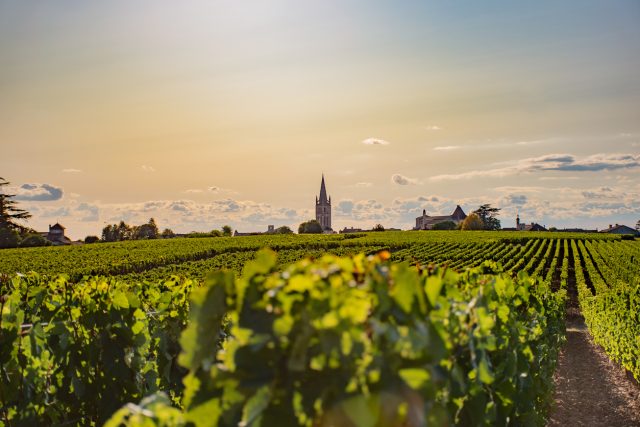
Vineyard land values across Bordeaux fell further in 2025 as the region grappled with weak demand, shrinking vineyard area and another decline in wine sales.
According to French regional newspaper Sud-Ouest, annual shipments from Bordeaux producers fell to 2.98 million hectolitres over the 12 months to the end of March 2026, down 12% year-on-year and beneath the three million hectolitre mark for the first time in decades.
The figures underline the scale of the crisis facing France’s largest wine-growing department, where growers continue to remove vineyards in an effort to rebalance supply with declining demand.
Prime appellations lose value
The downturn has affected almost every major Bordeaux appellation, although prestigious regions have proved more resilient than the wider market.
The average price of vineyard land in Pauillac fell 22.7% between 2018 and 2025, from €2.2 million to €1.7m per hectare. Margaux declined 27.3%, from €1.1m to €800,000 per hectare, while Saint-Émilion dropped 25.9%, from €270,000 to €200,000.
Elsewhere, the falls have been considerably steeper.
Land values in Lalande-de-Pomerol have almost halved, falling 45.8% since 2018, while Fronsac declined 50%. Bordeaux Blanc vineyard prices dropped 51.5% and Bordeaux Rouge fell 60.6%.
Some of the sharpest corrections have come in appellations already under economic pressure. Médoc vineyard land has fallen 81.8%, from €55,000 to €10,000 per hectare, while Saint-Émilion Satellites recorded a 73.7% decline, from €95,000 to €25,000.
According to the data, Haut-Médoc values have dropped 62.5%, Blaye Côtes de Bordeaux 60%, Graves Rouge 37.5% and Sauternes 33.3%.
Vineyard area shrinks
The collapse in land values comes as Bordeaux undergoes one of the largest vineyard restructuring programmes in its history.
Partner Content
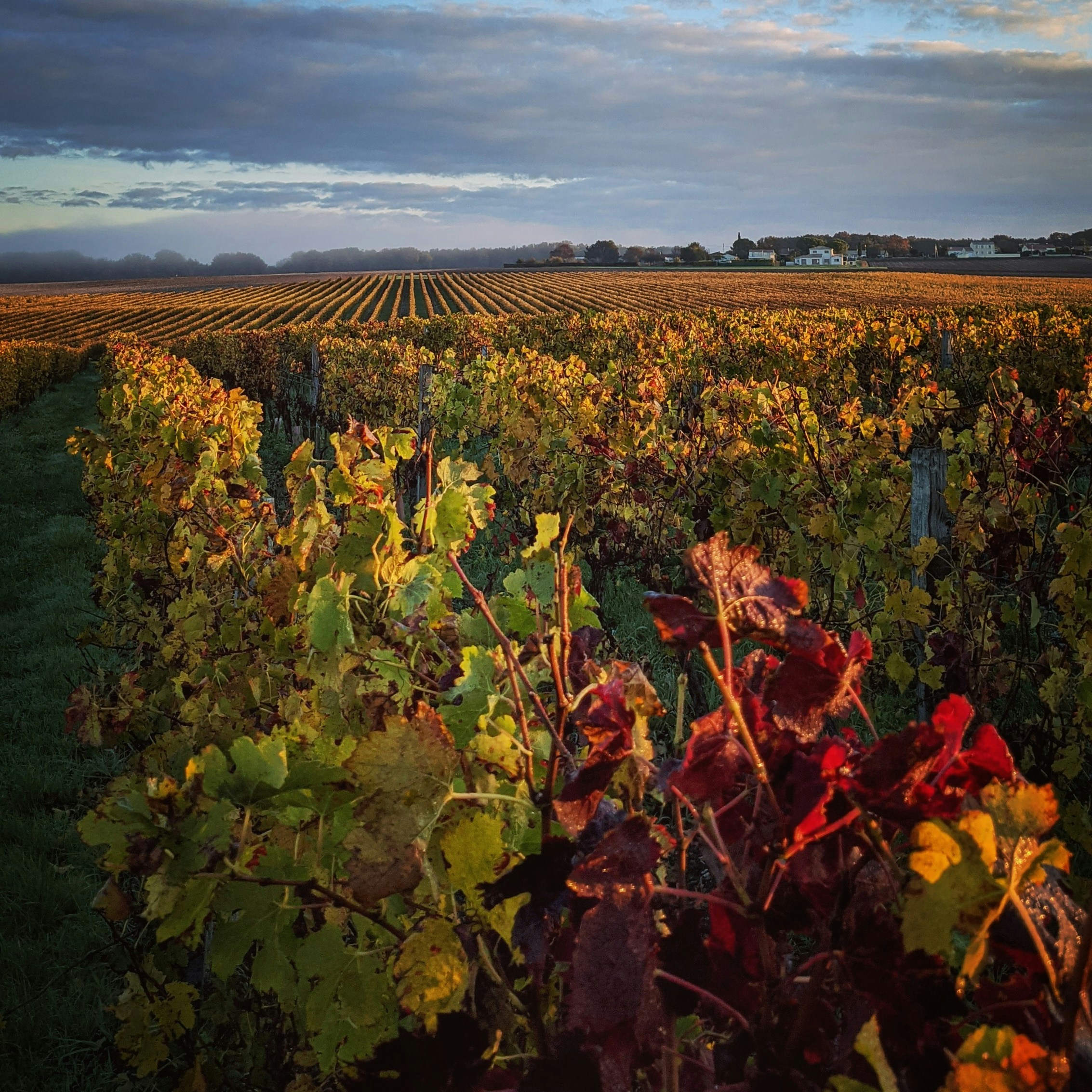
Between 2023 and 2026, almost 30,000 hectares of vines will have been uprooted across the region.
Around two-thirds of that area was removed through government-backed compensation schemes, with growers receiving either €6,000 or €4,000 per hectare depending on the programme. The remaining vineyards were removed without financial support.
Despite the reduction, Gironde remains France’s largest wine-growing department, with 91,264 hectares of vineyard in 2025, ahead of Hérault (72,901ha) and Aude (53,986ha).
Many producers are concentrating production on their strongest vineyard sites rather than maintaining larger but less profitable holdings.
Xavier Buffo, director of Château de la Rivière in Fronsac, told Sud-Ouest that the estate had removed around 20 hectares as part of efforts to focus on its best terroirs, while simultaneously acquiring vineyards in stronger locations.
A proposed Foncière d’avenir (“Future Land Fund”) is expected to help struggling growers complete land sales and support the redevelopment of former vineyard sites for alternative agricultural uses.
Climate compounds economic pressure
The latest figures arrive as Bordeaux producers contend with a succession of climatic challenges alongside weakening consumer demand.
As previously reported by the drinks business, French vineyards have endured repeated heatwaves, drought, frost and hail in recent years, with June temperatures reaching as high as 44°C in parts of the country.
Viticulture specialists have warned that prolonged heat is reducing yields, damaging fruit quality and increasing production costs at a time when many growers are already under severe financial strain.
Related news
Will Bordeaux feel the heat over irrigation rules?


