



Exploring the ‘living heritage’ of Château Sainte Marguerite
Driven by the vision and commitment of the Fayard family, Château Sainte Marguerite has become a stand-out producer of quality Provence wines.
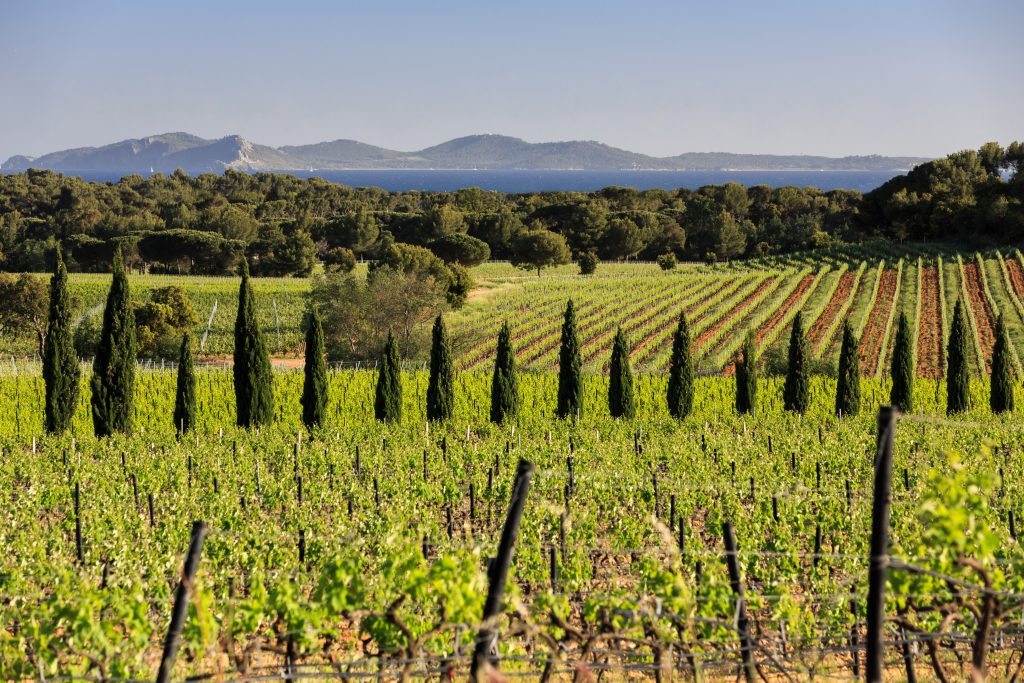
Between the sun-drenched Bay of Hyères and inland valleys of Pierrefeu you’ll find a distinctive Provençal terroir shaped by cooling maritime influences and a mixture of soils that bring freshness and complexity to its wines. At Château Sainte Marguerite, the Fayard family has spent nearly five decades cultivating a distinctive vision of rosé sculpted by a philosophy of minerality and precision.
The winery is one of only 18 crus classés of Provence. Among those, it’s the only estate with both organic and vegan certifications, held since 2003, making it one of the first in the region to champion a holistic approach to viticulture. Thus, the estate occupies a unique spot in the region’s viticultural landscape, one where environmental commitment and the pursuit of excellence are indistinguishable. Founded in 1977 by Brigitte and Jean-Pierre Fayard, the estate has grown from seven hectares into one of Provence’s most emblematic family-managed wineries. Today, Château Sainte Marguerite cultivates more than 460ha of vineyards, all of which are estate-owned.
In Provence, this is rare, and is a defining element of the producer’s high-quality approach. “This full ownership and nearly 50 years of carefully preserved family know-how, gives us control over quality at every stage,” says CEO Olivier Fayard.
Exceptional mosaic
 This begins in the vineyard. Across La Londe-les-Maures and Pierrefeu, the estate draws complexity from an exceptional mosaic of terroirs: mica schist, siliceous clay and limestone soils. Near the coast, stony soils and cooling breezes stamp the wines with a signature salinity. Further inland, clay-limestone parcels bring texture and balance. “This diversity of terroirs allows us to create rosés with both freshness and complexity,” explains Fayard.
Renowned for its refreshing character, white variety Rolle (Vermentino) also drives the wines’ minerality. Harvests take place at night, when cooler temperatures help preserve the grapes’ aromatic precision.
The estate continues to invest in massal selection, preserving and replanting vines from its finest historic parcels in order to maintain quality. “Massal selection gives us grapes with greater aromatic complexity, precision and balance, which is essential for crafting refined, gastronomic rosés,” explains Fayard. In this way, the winery “maintains a living heritage that reflects the identity of our vineyard”.
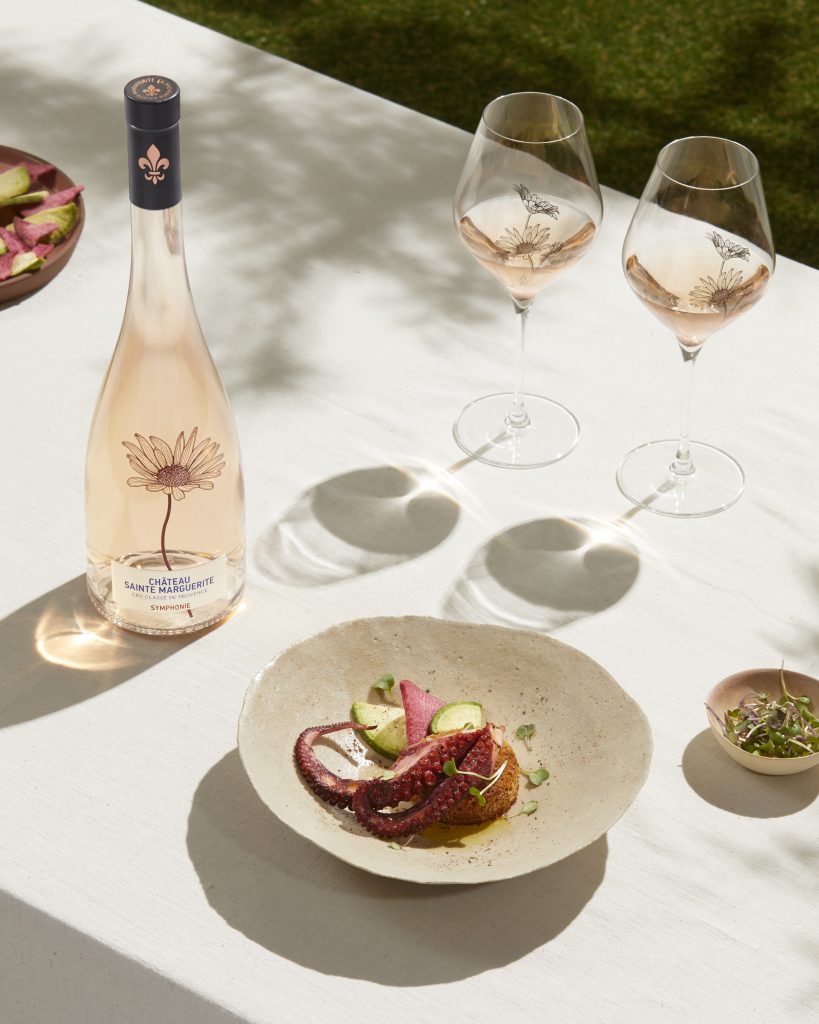
That pursuit of purity rings through the portfolio. Fantastique 2025 was crowned Best French Rosé by the Beverage Testing Institute, and the 2025 vintage of Marguerites en Provence Rosé bagged a Gold Medal in the drinks business Global Rosé Masters 2026. “It’s about as good as high-end unoaked pink wine gets,” said Patrick Schmitt MW.
Looking ahead, the Fayard family is focused on transmitting a long-term vision grounded in excellence and terroir expression. Through its partnership with Pernod Ricard and family stewardship, Château Sainte Marguerite aims to reinforce its position as one of Provence’s defining estates for gastronomic rosé. Fayard pledges a bright future: “We aim to ensure that future generations inherit an estate dedicated above all to producing wines of outstanding precision, balance and finesse, while remaining committed to environmental sustainability.”
Related news
Why electrolytes have become wine's newest additive
Bordeaux marks milestones with commemorative bottles
#WeekInPictures: the Queen visits Plumpton as craft beer and rum move into new territory


