



Andreola: the quiet exit from Prosecco
Forty years after Nazzareno Pola founded the estate, his son has spent much of his tenure doing something that looks, on paper, like commercial self-sabotage: taking the word Prosecco off the label. James Bayley met him to talk about steep hillsides, vanishing labour and the risk of giving up the most valuable word in Italian wine.
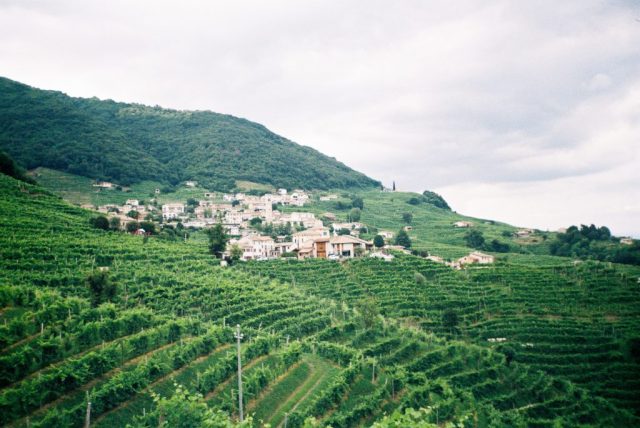
The conversation follows on from db‘s recent visit to Andreola’s newer project in the Belluno Dolomites, Andreola takes Prosecco expertise into the Dolomites, where Stefano Pola is applying the same instinct for territory over category to a nine-hectare vineyard well outside Valdobbiadene DOCG.
The times, the knowledge and the technologies of 1984 bear little relation to those of today, but the path Nazzareno Pola set out has held. “Forty years later we are still here talking about quality,” his son, Stefano, tells db.
Since then the estate has been built into a benchmark within Valdobbiadene DOCG, expanding on several fronts at once even as fresh challenges keep appearing. New projects and new areas of business are already under way.
That growth has been rapid, moving from a small family winery selling locally to a medium-sized company with a far larger vineyard holding, a more complex winery operation and a commercial structure that now reaches export markets. Stefano counts the management of that transition among his proudest achievements, not for its scale but for what it did not cost. “I have worked to provide the right support across all production departments, creating the conditions for quality not only to be preserved, but to improve continuously as the company evolved.”
Two hundred and fifty parcels, one principle
The estate now farms around 250 parcels across roughly 110 hectares, a spread that could easily have diluted the identity of any single vineyard.
He bought into the Rive of Valdobbiadene DOCG at a point when other producers were doing the opposite, trading steep and difficult sites for large, flat vineyards that were easier and cheaper to farm. “Even if it means going against the current, quality comes first.”
Heroism, minus the marketing
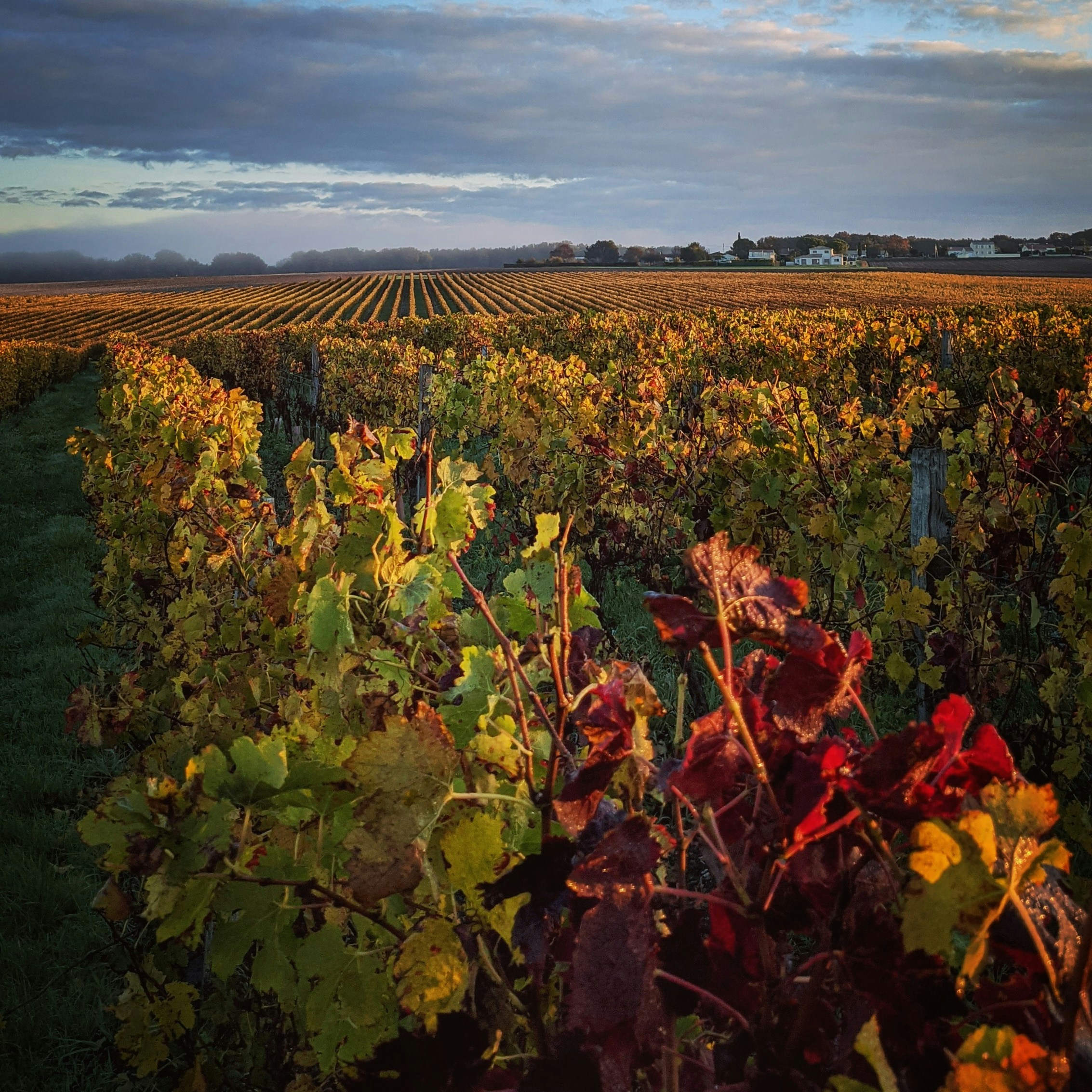
The phrase ‘heroic viticulture’ has drifted into most producers’ vocabulary by now, deployed wherever a hillside needs dressing up for an export market. Andreola is careful to separate the term from what it actually costs on his own slopes.
Climate change sits underneath everything, but the harder problem, he says, is finding people willing to do the work at all. Vineyard labour follows nature’s timetable rather than anyone’s rota, and that rhythm sits badly with a younger workforce. Summer starts before dawn to dodge the heat and often resumes in the evening once it has passed, a pattern that no longer suits every employee’s expectations. Wet springs compound it: three or four days locked out of the vineyard by rain, followed by a single dry weekend that cannot wait for Monday. “Nature sets the timetable, and everyone involved should be willing to step in and carry out the most urgent tasks whenever the opportunity arises.”
What makes the territory difficult is also what makes it distinctive. Varied soils, altitudes and exposures, worked through the versatility of Glera, give Andreola a spread of styles running from Extra Brut to Dry, each one tied unmistakably to where it was grown.
The human factor
Ask Stefano who matters most in all this and the answer arrives without hesitation: the growers and vineyard workers who farm the steepest ground. “Without them, we would not have the opportunity to benefit from the excellent raw material we need in order to transform it into our wines.”
What strikes him about a historic wine village is how thoroughly the whole community absorbs the rhythm of the vineyard year, whether they work in it directly or not. “From the pharmacist to the mechanic, everyone has a general understanding of how to grow a vine or, in some way, how to prune it.” Come September, the village itself seems to pause for harvest. It is, he says, the most beautiful element of terroir: not the soil, but the people standing on it.
He is banking on that knowledge passing naturally from one generation to the next, carried more by proximity than by any formal scheme.
Dropping the name that made them famous
No decision at Andreola has drawn more scrutiny than the removal of the word Prosecco from its labels, a process Stefano began weighing in 2007 and completed by 2018.
His own explanation starts with a question: Prosecco made the estate famous, but famous for what, exactly? “Every winery has to find its own interpretation,” he says, and Andreola’s has been to let the name of the territory do the talking instead, tying the wine unmistakably to a place already recognised for quality.
Before the current appellation system arrived in 2009, the job abroad was simple: introduce people to the product and explain what it was. Now the job is subtler and harder, spent explaining the gap between a flatland Prosecco and a hillside Valdobbiadene DOCG, between a wine built for volume and one built for quality.
Partner Content
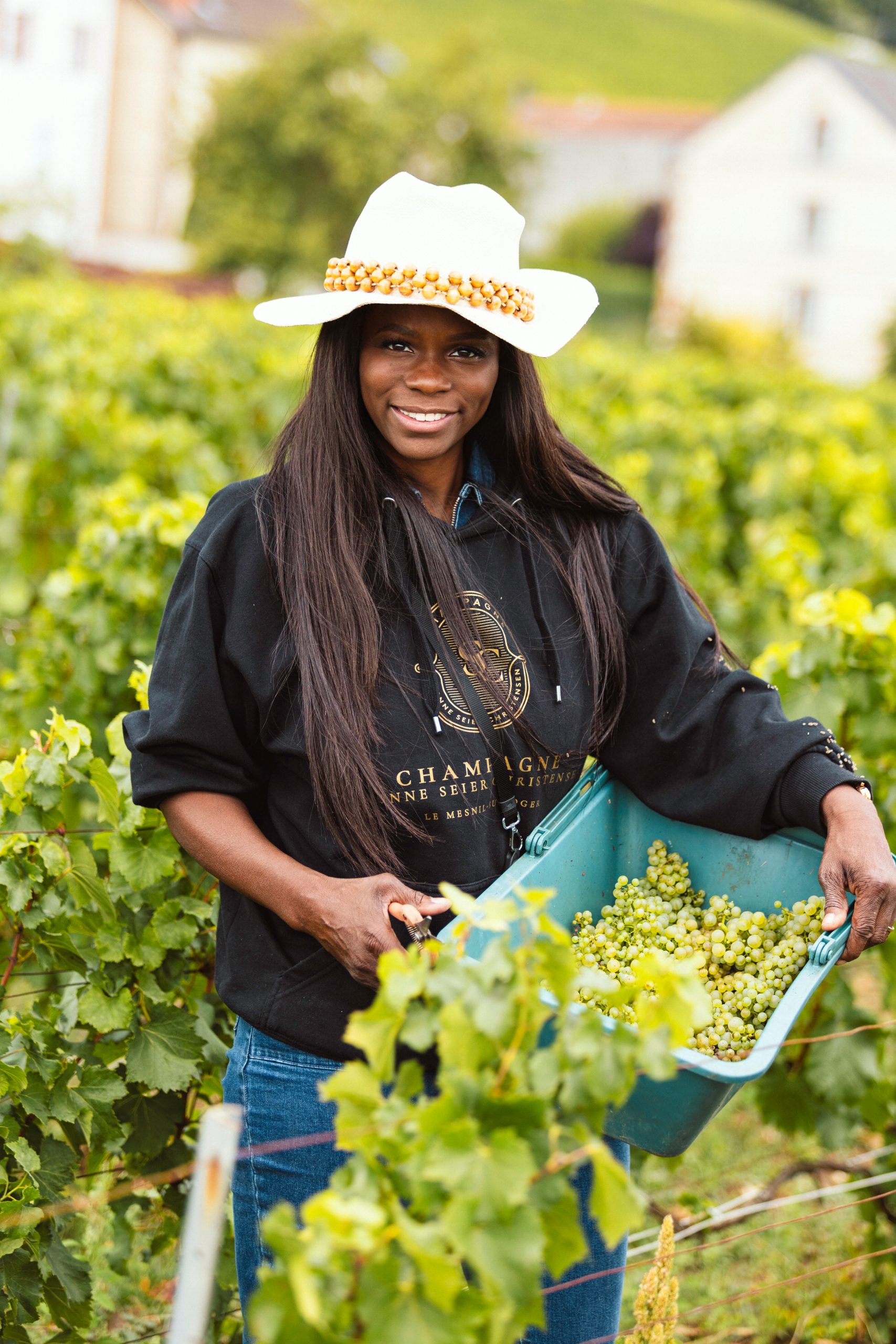
Not everyone in the region has made peace with that gap, many of the older producers remain firmly opposed, having built the name Prosecco’s fame themselves in the Conegliano Valdobbiadene area in the first place. Giving it up reads to some as a moral defeat, handing the keys of a Ferrari to producers who arrived later and now share in a reputation they did not build.
Andreola’s own decision, once made, came without much hand wringing. The estate no longer wanted to be tied to a Prosecco category that had grown too broad and too simplified for what it was trying to say, quite apart from the reputation the word had picked up along the way. It was not an easy call, but the results are already visible: customers now read Andreola as a producer standing apart, rooted in the historic area, practising heroic viticulture and priced accordingly on the strength of it. “We believe we made the right decision in pursuing it.”
He has some sympathy for wineries too frightened to make the same move, but not much patience for avoiding the question. If thirty years of marketing has hung on the word Prosecco in large type and an affordable price, then dropping it is a real risk. But if the story has always been about territory and a handcrafted, high-quality product, the word may simply no longer be doing much work. “Then perhaps that message has already become strong enough, and the word Prosecco may no longer be necessary,” Stefano concludes.
Tasting notes by Patrick Schmitt MW:
1 – 26°I° Valdobbiadene DOCG Rive di Col San Martino Extra Brut
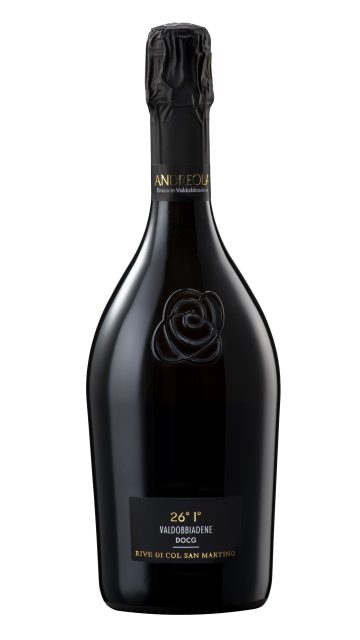
Orchard fruit aromatics, pear and a floral note of star jasmine. Palate zesty, fresh, with creamy, full bubbles and a lemony finish. Pear and apple fruit. Dry finish. Quite firm but full on mid palate. A very dry style of Prosecco, leaves a firm finish.
90 / Silver
2 – DIRUPO Valdobbiadene DOCG Brut
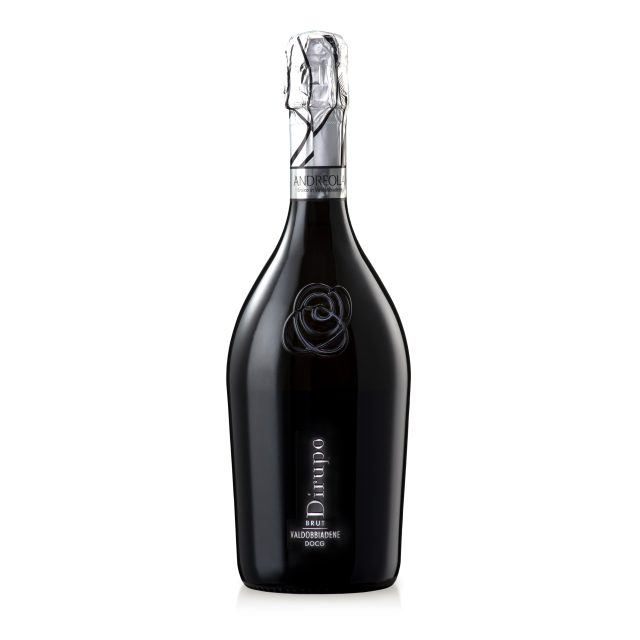
Creamy and appealing nose with a touch of pineapple and peach, ripe and sweet smelling. Palate rounded and full too, with sweet peach and some pineapple chunk. Delicate bubbles. Some freshness on the finish. A crowd pleasing, slightly sweet style. Easy drinking. Then some bitter pith on the finish. Lots of flavour and persistence. Not complex, but nicely balanced.
92 / Gold standard
3 – Mas de Fer Rive di Soligo Valdobbiadene DOCG Extra Dry
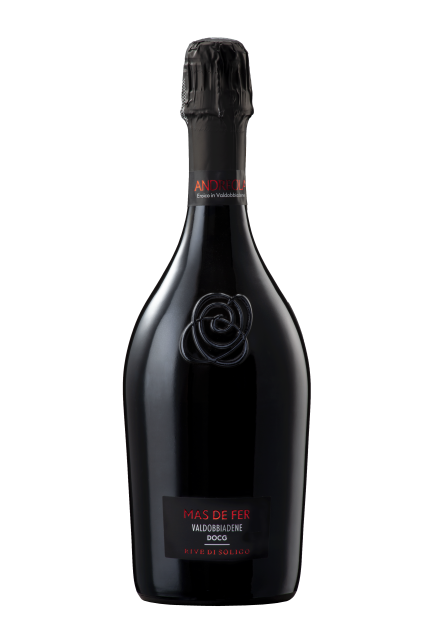
Orchard fruits, quite delicate. Palate is frothy bubbles, ripe apple and pear, with creaminess and some sweetness, then a fresh finish, with some crisp apple and lemon zest. Sweetness and lots of lovely, clean peachy fruit. Palate lingering, with some fine phenolic grip, then a zesty, bitter lemon edge. Sweetest of the three.
92 / Gold standard
Related news
Valdo celebrates 100 years as a Prosecco Superiore pioneer


