



Château d’Esclans eyes earliest harvest ever as it trials new grapes
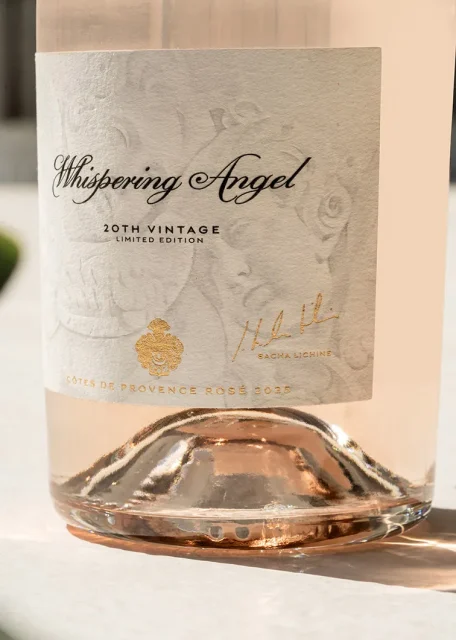
Château d’Esclans, the Provence estate behind category-leading rosé Whispering Angel, is on course for the earliest harvest in its history – and is trialling grapes from Greece, Spain and Italy as part of a longer-term response to rising temperatures.
Speaking to db on 2 July, winemaker Joéva Walczak said the property expects to begin picking around 10 August, weeks ahead of its usual start.
“We have very, very hot temperatures right now, and the vines are ok, but we are thinking about irrigation,” she said. “We check the vines every day, but we are fingers-crossed for a beautiful vintage – we don’t have any disease, and we don’t have any weather problems, except for maybe the high temperatures, and we think we will begin the harvest around 10 August, which is very, very early.”
Asked whether this would be the earliest harvest on record for the estate, she confirmed it would be: “Even in 2018 and 2020 it wasn’t that early – and our cellar master Jean-Claude Neu said that ten years ago, we would harvest as school started, which was the beginning of September.”
Adapting in the vineyard
Château d’Esclans makes a range of wines, from barrel-fermented fine rosés such as Garrus and Les Clans through to Whispering Angel, sourced from grapes across Côtes de Provence. Walczak said the estate is making a number of changes in both vineyard and cellar to cope with the heat.
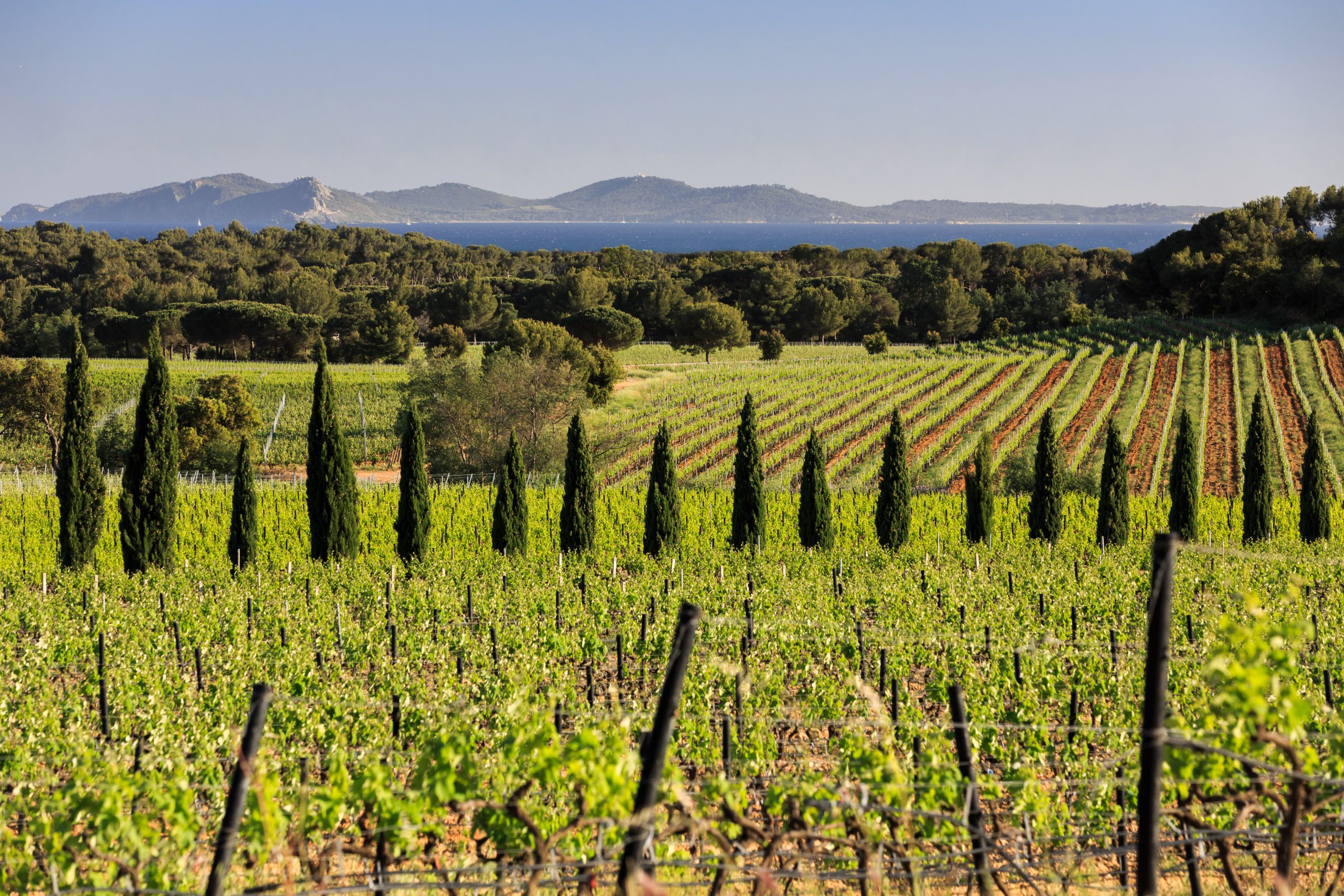
In the vineyard, keeping the soils covered with grasses is one technique for keeping ground-level temperatures down and, perhaps counterintuitively, for retaining soil moisture.
As db has reported on previously, a permanent ground cover improves soil structure and provides a mulch through the hot months, lowering soil temperature and boosting organic matter so that the soil absorbs and retains more water when it does rain.
Irrigation is permitted in Provence, but with strict limits on timing and quantity, while vineyard yields are capped.
Partner Content

In the cellar, keeping the wines cool and protected is a priority: inert gas is used to guard against oxidation, and equipment keeps grapes, musts and wines cool throughout. The estate also uses the white grape Rolle — known as Vermentino across the Italian border — co-fermented with the region’s red grapes, chief among them Grenache, to bring freshness to the wines.
New grapes on trial
Provence’s pink wines are built primarily around Grenache, alongside Cinsault, Mourvèdre, Syrah, some Tibouren and Rolle. Since December 2021, however, new varieties have been permitted on an experimental basis for AOP Provence rosés.
These include Rousseli — an ancient, near-extinct local white/pink variety also known as Rosé du Var — the Greek varieties Agiorgitiko, Moschofilero and Xinomavro, Italy’s Calabrese (also widely known as Nero d’Avola), and Spain’s drought-resistant white grape Verdejo, most famous for Rueda’s crisp whites.
Château d’Esclans has planted two of the new reds — Nero d’Avola and Xinomavro — and one white, Verdejo. Walczak stressed it remains “just an experiment for now,” but said that if the varieties deliver the quality and freshness the estate is looking for, they could eventually feature in its rosé blends, including Whispering Angel.
Grenache will remain the backbone of the wines regardless, she said, describing it as “the star” of Provence rosé for its pale colour — a result of the grape’s moderate levels of anthocyanins (natural plant pigments) — and fruity character.
It also performs well when fermented and aged in oak, even as a rosé: Walczak pointed to the “successful marriage” of wood and Grenache-based pink wines.
The barrel-driven approach to Château d’Esclans’ top rosés, she said, was “inspired by white Burgundy, but now we have our own approach: the Château d’Esclans process.”
Read more
Related news
Mr Porter pairs with Château d'Esclans for exclusive London rosé menu


