



H1 sees disciplined buyers, selective demand and broadly stable prices for fine wine
The first half of the year marked “a turning point” for investors of fine wine, a recent Q2 report from WineCap has said. With Bordeaux back vintages dominating, tit proves that the fine wine market is increasingly rewarding “disciplined buying”.
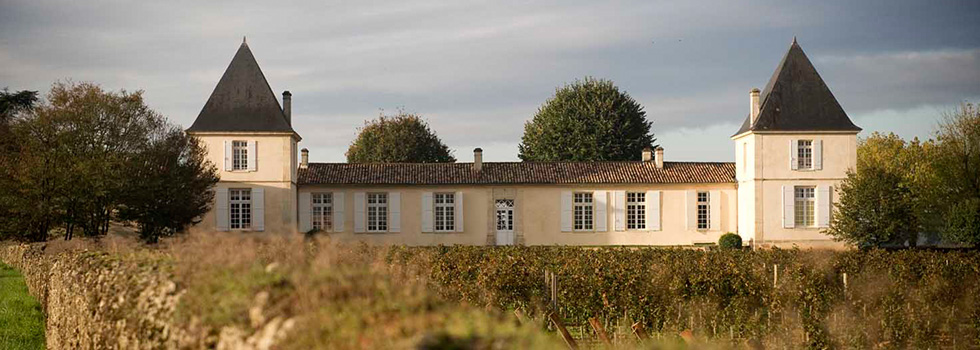
Nine out of ten of the ten best-performing wines over the quarter on the secondary market were back vintages of Bordeaux, led by Chateau Climens 2012 (up +66.1%) on the back of rarity as much as its quality, and Chateau Coutet 2019 (up 33.3%). Other gains were seen in mature vintages from Barsac, Sauternes “and the exceptional 2016 vintage”, with three spots in the top ten (Lafleur up 31.8, Pavie up +29.7% and Haut Bailly up +29.6%), and the “often overlooked” 2013 vintage.
Outside of the top ten, Burgundy, Tuscany, the Rhône, Napa Valley and Chile featured “prominently” in the top 20, it said in a separate report, highlighting “a broad recovery across the secondary market”, and that while the wider fine wine market remains “relatively subdued, careful wine selection generated exceptional returns”.
This reinforced “the market’s growing preference for proven quality and relative value”, the report said. Demand had “concentrated in wines where quality, scarcity and pricing aligned… reinforcing fine wine’s position as a long-term tangible asset largely independent of public market sentiment”.
“Rather than chasing momentum, buyers increasingly allocated capital towards established brands where prices had yet to fully reflect quality and reputation,” it said.
En-primeur
This ethos was seen in the much-anticipated (or even much-feared?) en primeur campaign, where investors “prioritised estates that offered compelling value relative to the back vintages”, and those that weren’t willing or able to do so “struggled to gain traction”, particularly compared to the 2019 vintage.
Overall, despite the 2025 vintage presenting “one of the strongest entry points of the decade”, the campaign confirmed a fundamental shift in buying behaviour and “became a test of whether Bordeaux could realign new-release pricing with buyer expectations,” it said.
Partner Content

“Relative value has become the defining principle of today’s fine wine market,” it concluded.
Looking ahead, it argued that “disciplined buyers, selective demand and broadly stable prices” were set to remain the order of the day.
“In a world where capital increasingly moves at the pace of headlines, that consistency is becoming an investment strength in its own right,” it said.
Macro-tensions
On a macro level, tension remained between “market exuberance” (noted for example in the excitement over the launch of the world’s largest IPO, Elon Musk’s Space X, along with “investor enthusiasm for artificial intelligence”) and “the quiet tightening of financial conditions beneath it” (notably the renewed geopolitical tensions, persistent inflation and the likelihood of more interest rate rises to come). Meanwhile the strengthening of the US dollar helped to pull capital away from traditional safe-haven assets, and gold fell to its lowest level “in a decade”.
However, at the same time, easing trade and geopolitical tensions has reopened “key demand corridors across Asia and the Gulf”, supporting “the long-term outlook for luxury assets, including fine wine”. (This, of course, was before Trump resumed bombing Iran, after accused it of violating the ceasefire of 17 June).
Related news
The importance of fine wine data: 'each bad decision has a cost'
Westgarth Wines expands fine wine business into Europe with new hire


