



Spain’s ‘taste of sunshine’ grape proves its value
If Monastrell has flown under the radar in the UK, that is not for a lack of quality. db attended a London Wine Fair masterclass to understand how the grape is meeting contemporary trends – and how it might “help us survive the next century” according to Sarah Jane Evans MW.

When it comes to Spanish wines in the UK, Sarah Jane Evans MW is one of the leading ambassadors. Her decades of enthusiasm for the nation’s wines, not to mention her expertise, means that when she speaks, the trade listens.
So it was notable that, speaking at London Wine Fair last month, she focused on Monastrell. While Tempranillo and Garnacha have historically dominated the discourse (thanks to the fame of Rioja) and whites such as Albariño are meeting consumer trends, Monastrell is undeniably a grape with momentum behind it and untapped potential.
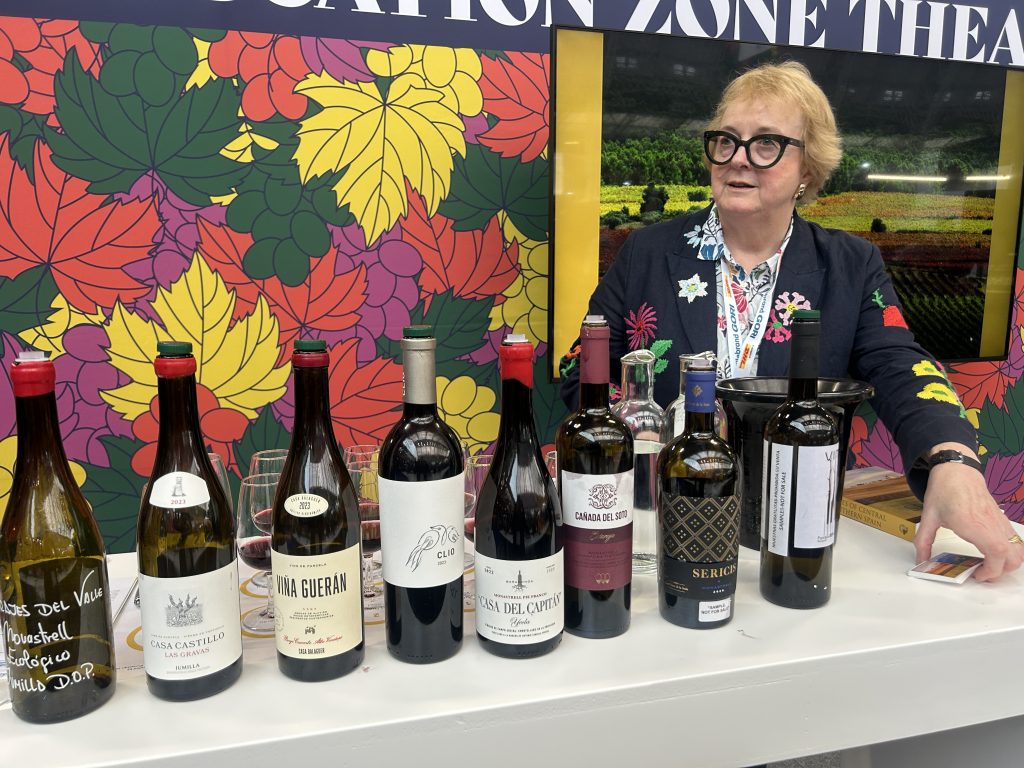
“There’s more to Spain than Tempranillo,” Evans advised. To prove her point, she presented eight examples spanning the five key denominations for Monastrell production: Alicante, Almansa, Bullas, Jumilla and Yecla. Together, these denominations – located in southeastern Spain, across the provinces of Murcia, Albacete and Alicante – have formed the Monastrell Association.
“It’s a very special selection of wines,” she commented. Indeed, the selection highlighted precisely why Monastrell’s reputation is growing, with its character, heritage and adaptability all contributing to its 21st Century success.
Something for everyone
“There is not just one style here,” Evans explained. “You can have bottles for everyday drinking or something much more special.”
Indeed, Monastrell has emerged as a versatile, gastronomic option for a modern drinker. It can still produce rich, intense wines – the apogee of which is Fondillón from Alicante – but it can also create lively and juicy wines that could even be served chilled.
“In past years, it had become a cliché of an overdone, over-bold wine,” Evans said. “I want to show you today that these do not need to be very deeply coloured, very concentrated wines.”
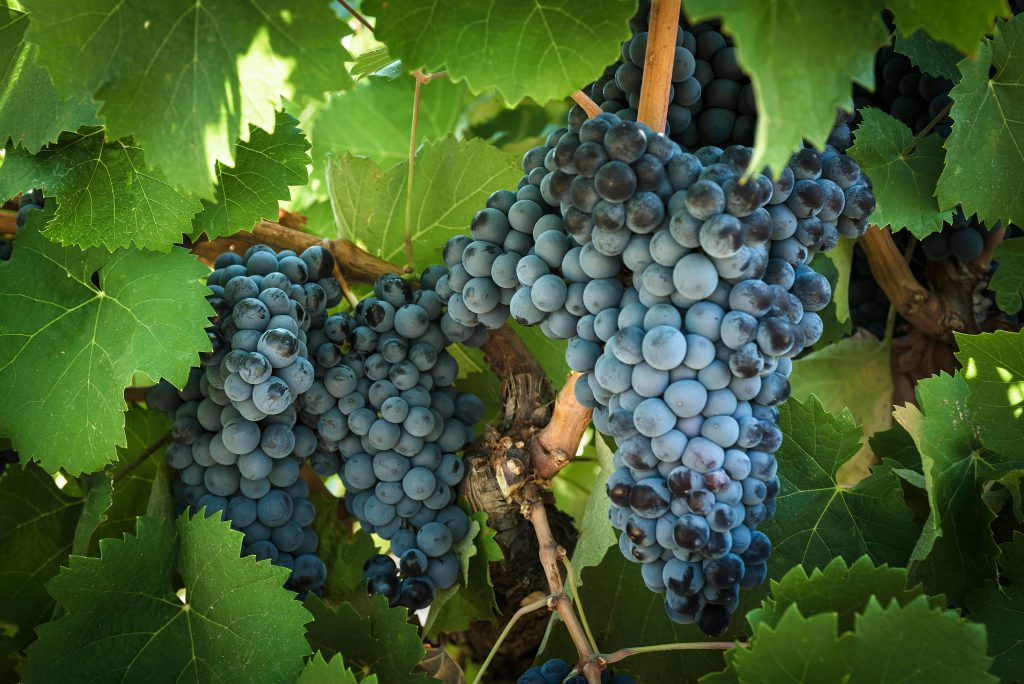
Across the five DOs, which constitute the heartland of the variety, you find a range of conditions and therefore of styles. Although Evans defined it broadly as Mediterranean, the climate can vary considerably. There is a marked difference between the coastal vineyards of Alicante and inland Almansa, for example, with elevation a further factor to defy simplification.
That is before winemaking is even considered. The tasting showcased monovarietal, traditional examples alongside internationally-influenced blends. There was oak employed off various sizes and ages, as well as clay amphorae. In working with Monastrell, there is no single style.
Yet the wines were unified by those qualities that, invariably, matter most to drinkers. “One thing we all look for,” said Evans, “is that balance between fruit, acidity and alcohol, and that is something these wines do naturally.”
A living history
In a market where virtually any wine can be sourced from any corner of the globe, it is increasingly important for producers to stand out. Having great wine is one thing, but having a great story also counts.
In that endeavour, the union of the five DOs under the banner of the Monastrell Association is crucial. Together, they are articulating a story of heritage that resonates across markets.
“We have already been here many generations with Monastrell,” said Evans. “Locally, they know how to make their wines.
“They are continuing to adapt to recognise and preserve what they have. They speak, these old vines, of a very old tradition. What we call resilience today is simply tradition.”
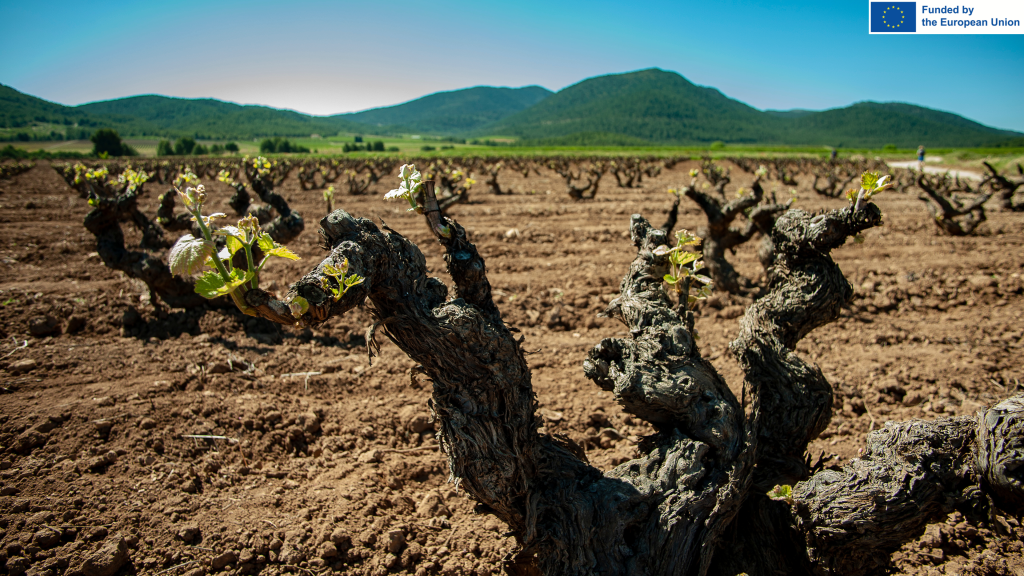
The heritage of Monastrell comes with clear advantages. It is an indigenous variety, offering a change from the so-called international varieties (that are, more often than not, French in origin). Though it is grown elsewhere, mostly under the name Mourvèdre, its origins are Spanish and these five regions offer its most authentic examples. That, for the involved consumer, is a selling point.
Yet it also taps into, as Evans hinted, the trend for old vine wines. As well as being a marketable distinction, old vines tend to produce concentrated fruit with structural balance, improving the quality of the wine. There is no universally accepted definition, but with many vineyards spanning back decades, these are undeniably meeting the category: “When it says old vines, these are proper old vines,” Evans commented.
Moreover, there are even pockets of vineyards still on their original rootstocks, a real rarity for old vine enthusiasts and particularly rare in Europe.
Future-proof winemaking
However, it is not just the quality and the heritage that commends Monastrell as a grape to watch. The variety has a vital role to play in a changing world.
The Monastrell Association bills it as ‘the grape variety the future needs’ because Monastrell is already adapted to hot and dry conditions that, in an era of climate change, are threatening wine regions around the world.
It is a late-ripening variety, meaning that it will ripen through a long, warmer season without losing its freshness. Monastrell also has thick skins, adapting it to dry environments effectively. It therefore fares much better in warming climates than other grapes.
“The world is looking for varieties that will help us survive the next century,” Evans said. “Although we’re in this extreme and demanding climate, these Monastrell wines can make it.”
That is not, however, to diminish the role that growers have played in promoting Monastrell. From careful canopy management to preserving a heritage of bush vines, the local heritage of winegrowing has realised Monastrell’s potential.
“You have to be dedicated to make wines here,” Evans suggested. “All of these wines deserve the greatest respect.”
In fact, the winemaking styles of these regions, developed over centuries, have met trends long before they gained widespread traction. One reason for the immense respect afforded to these local growers is their strong investment in organic conversion. Thanks to Monastrell’s natural advantages, growers have whole-heartedly embraced the practice. These are “genuinely sustainable wines”, Evans proposed.
You might sum up Monastrell’s position with one of the Monastrell Association’s taglines: ‘A taste of sunshine’. Certainly, you have the sunny appeal of Mediterranean wines, produced in a range of styles that suit both gastronomy and al fresco drinking. You have a grape variety with rich heritage, born of sunny Spanish climes, rather than imported from elsewhere. Essentially, for the future of the industry, you also have a grape that can face up to a challenging climate and still produce exemplary wines. As one of Spain’s great viticultural assets, Monastrell’s standing in the UK market has every reason to grow.

Related news
English investor buys historic Château Vignelaure
Wales bids for world’s first natural wine appellation
How service crop management could save vineyards in dry years


