



‘Always, we are on high alert’: Chateau Musar on winemaking in a warzone
From drone-threatened roads to uncertain harvests, Chateau Musar head winemaker Tarek Sakr discusses the realities of producing world-class wine in the shadow of war. Amelie Maurice-Jones reports.
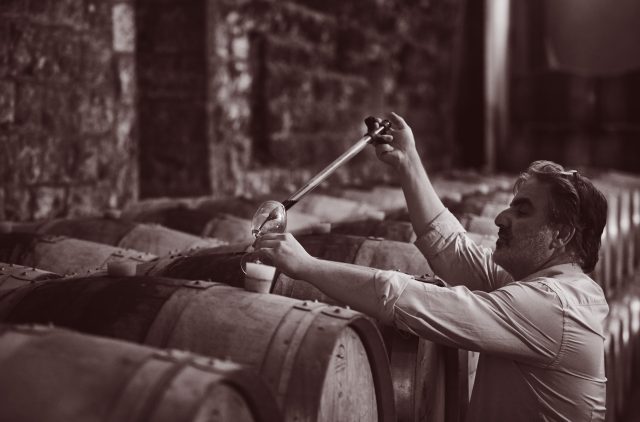
Since coming to the helm of Chateau Musar as winemaker in 1991, Tarek Sakr has scored a proud hand of happy memories, such as overseeing the winery become Lebanon’s first to achieve organic certification a decade ago.
But when he first arrived, an intern from Chateau Lafite Rothschild, he’s candid about the whiplash that came with moving from traditional winemaking in Bordeaux: “You understand things are different from what you were told, and you have to adapt your understanding of the wine world to Lebanese conditions”.
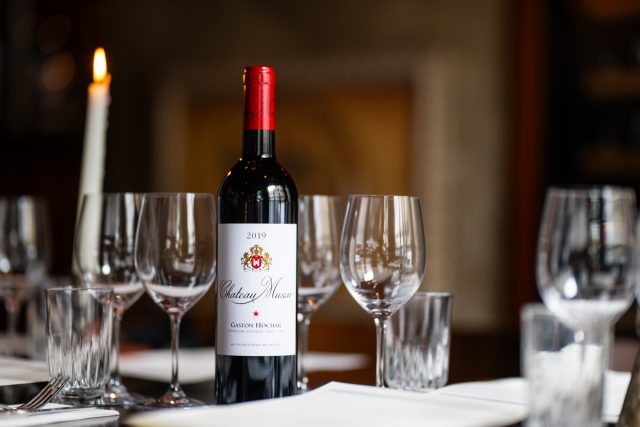
37 years have flown by since then, but that lesson proved invaluable schooling. Today, Sakr is always poised to adapt. “We see what’s happening in this world, the climate and political conditions, and we try to adapt in a matter that we have to overcome difficulties, and at the same time protect our philosophy and knowledge of making great wines, without losing anything of our identity,” he tells the drinks business, after arriving in London to launch a new vintage – Chateau Musar 2019 Red.
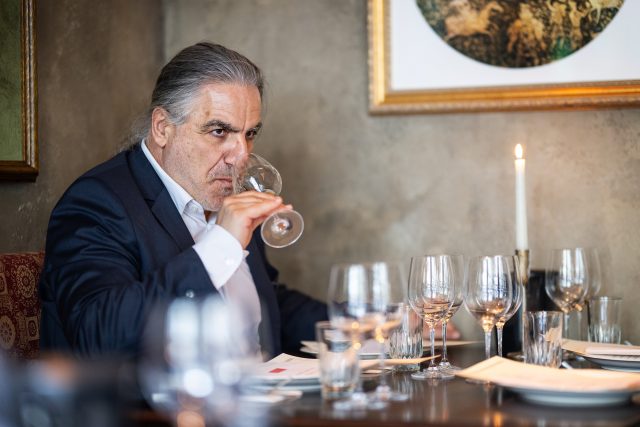
Refusing to give up hope in the face of danger
It’s no mean feat. In 2024, Israeli bombing disrupted the lives of Lebanese winemakers and their teams. Once again, Lebanon was drawn into conflict in March this year, when the Iran-backed armed Shia Islamist group Hezbollah fired rockets at Israel after Iran’s supreme leader was killed in an Israeli strike. Since then, the number of people killed in Lebanon by Israeli air raids has surpassed 3,000, Lebanon’s health ministry announced earlier this week.
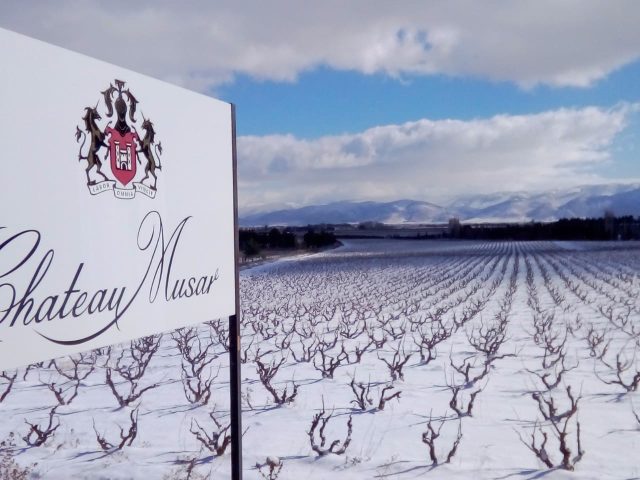
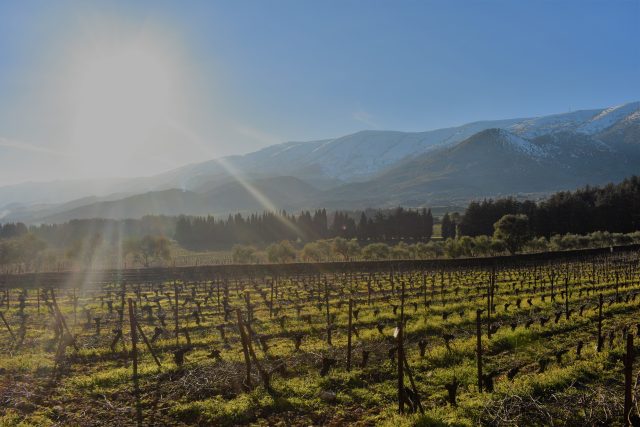
And while Chateau Musar’s vineyards haven’t been hit directly by Israeli strikes, neighbouring villages and roads in eastern Lebanon’s ancient wine region’s Bekaa Valley have. Situated between the Lebanon and Anti-Lebanon mountain ranges at elevations of 3,000-5,200 feet, the valley is home to 90% of Chateau Musar’s vineyards – and around 80 wineries in total.
Winemakers have previously spoken out on the challenges. In 2024, a family winery Chateau Rayak suffered extensive damage, including losing 60 tonnes of grapes, in an Israeli blast. Separately, Eddie Chami of Mersel Wine told Wine Enthusiast of the trials of making wine by headlamp amid power and water shortages. In the past week, Israeli strikes on towns and villages across the Bekaa Valley have killed dozens of people. Roads, due to the constant threat of Israeli drones from above, make travel particularly risky.
“You are putting yourself in danger, but you have to go to give salaries, take care of employees and give them the plan,” says Sakr, on the risky commute to work. “You understand you need to be there, but it is difficult”.
Despite the odds, the winemaker refuses to give up hope. “When you work, you don’t think about the bad things,” he continues. “You say, ‘We are step by step trying our best in 2026.” He plans to fly the Chateau Musar flag on trucks in the vineyard so warplanes can see they are the people who make the iconic bottles – hopefully providing some protection. “We will find a solution,” he pledges. “I don’t know what it is, but we will adapt ourselves.”
What to do in the 2026 harvest?
But there’s no wine without grapes, and no grapes without harvest. The threat of invasion poses the $1 million question: “What to do in the 2026 harvest?”
Typically taking place from mid-August through October, there’s a chance the winery could pluck grapes early. But ultimately, the unpredictable political situation makes it hard to plan ahead. “I don’t know. I don’t have any clue,” Sakr admits. “Always, we are on high alert”.
Ultimately, Sakr hopes the war will come to an end. “War has lots of issues,” he goes on. “You move people from region to region and destroy work and destroy economy, and especially destroy land and life.”
Partner Content



Until then, “we have to wait and pray”.
Looking at the global market
The human cost of war is its most tragic consequence – but it also hits business hard. Chateau Musar has lost 50% to 70% of its domestic market in recent years, with no tourists visiting the winery, and once-bustling restaurants across Lebanon largely empty. Of all markets, Lebanon has seen the largest decline in 2026 when it comes to sales.
“When you have very bad politics, your market will stop,” Sakr makes clear. “Your local market will be destroyed, and the countries next to you will be affected, because it will be very difficult to send wine.”
Added to this are broader issues globally, like soaring inflation and another conflict – that between Russia and Ukraine.
Despite this, there are moments of brightness. “The global wine market received a big hit, but now things are on the recovery up. Our figures are much better than years before,” says Sakr.
In terms of sales, the winemaker has seen this rollercoaster volatility across all countries. There’s one exception – America. “This market is much better than other markets,” he tells me. Perhaps, he reasons, this is due to their geographical distance from Russia and Ukraine.
‘We make wine for humanity’
Lebanon has one of the most ancient winemaking traditions in the world, dating back to the Phoenicians, who spread viticulture throughout the Mediterranean. It’s where the Romans built the temple of Bacchus, which is evidence, for Sakr, that “the Bekaa Valley was the Bordeaux of the old world of wine”.
Throughout its history, the region has surmounted multiple wars. This isn’t Chateau Musar’s first rodeo: famously, the winery continued to produce world-class wines throughout the civil war from 1975 to 1990, making, its owner, Serge Hochar, who died in 2015, “Bacchus’s corporeal equivalent in today’s Lebanon,” according to The Guardian.
But, while Chateau Musar obviously makes Lebanese wine, Sakr is clear he’s making wine for the whole world: “Wine, it’s our message. Being in Lebanon gives us a special message, because it’s challenging. Each year we have a challenge – we have politics, we have war… you are doing wine against all odds,” he says.
“We make wine for humanity, because we are not making wine in normal conditions.”
His finishing sentence sums up the brilliance and resilience of Chateau Musar, a philosophy that has championed the winery through conflicts past and present.
“We don’t make wine to live, we live to make wine.”
Related news
Vinexpo Hong Kong holds steady as appetite for Asian markets grows


