



Wuliangye backed by state shareholder as baijiu sector stabilises
One of China’s largest baijiu producers has received major support from its state-controlled majority shareholder following a difficult period for the industry. The move comes as leading distillers face falling profits, weaker demand and sweeping market adjustments.
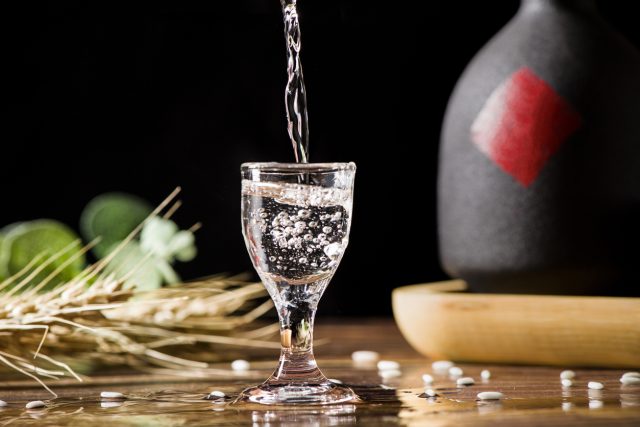
Following a torrid time for China’s baijiu distillers, one of the largest, Wuliangye Yibin has been given a financial boost by its state-controlled majority owner.
Yibin Development Holding and its wholly owned offshoot Sichuan Yibin Wuliangye Group, together own 55% of the distiller’s equity and have pledged to buy back shares worth between CY3 billion (US$441 million) and CY5 billion over the next six months.
No official purchase price for the shares has been revealed.
Kweichow Moutai also repurchasing shares
Meanwhile, archrival Kweichow Moutai has cumulatively repurchased 1.0833 million of its shares, accounting for 0.0865% of the company’s total share capital.
The highest purchase price was CY1,499.74 per share, and the total amount paid was CY1.521 billion.
Wuliangye is the Republic’s second-largest baijiu maker by revenue and brand value behind Kweichow Moutai.
Accounting changes hit reported earnings
The news comes after a drastic reshaping of Wuliangye’s accounting practices which meant it restated its revenues for 2025.
After reworking, they plunged to CY40.53 billion, almost 55% below sales in 2024 while net profit nosedived by 72% to CY8.95 billion, according to the annual report issued at the end of April.
Industry faces structural adjustment
The baijiu sector, which accounts for more than 90% of alcohol consumption in China, has been undergoing a period of heavy destocking and structural adjustment amid slowing consumption and industry consolidation in which prices fell considerably.
Of the 20 listed baijiu companies on the mainland, 18 reported year-on-year falls in both revenue and net profit in their 2025 annual results.
Partner Content
This had created growing unease among investors whose shares in Wuliangye had fallen by almost 13% so far this year.
Confidence in long-term prospects
Following the announced action by its majority owner, the company said that its parent remained confident in Wuliangye’s long-term prospects and intrinsic value.
The China Alcoholic Drinks Association said in a post that the baijiu industry has shifted from a phase of rapid expansion to one focused on optimising inventory levels amid changing consumption patterns, fierce competition and elevated channel inventories.
“Amid the industry’s profound transformation, Wuliangye has maintained sound fundamentals and adopted proactive adjustment measures, helping stabilise industry expectations and strengthen market confidence,” the association said.
Signs of demand recovery
“Premium baijiu has become more affordable for the mass market after product prices fell significantly,” Jennifer Song, senior equity analyst at Morningstar, told Vino Joy. “We are seeing demand stabilise and expect a modest improvement in premium baijiu demand in the second half of the year.”
Sub-premium baijiu brands, however, remain under pressure as their sales are tied to broader economic activity, while competition in the mass market segment remains intense despite signs of stabilising demand.
Analysts believe that Wuliangye is maintaining robust gross margins and strong returns on invested capital despite the sharp reduction in reported 2025 earnings, reflecting the resilience of its brand and product quality.
Former Moutai chairman charged
Meanwhile Ding Xiongjun, the former chairman of Kweichow Moutai and an ex-head of the Guizhou Provincial Market Regulatory Administration, has been charged with bribery and money laundering by China’s Supreme People’s Procuratorate.
It is alleged that he abused his positions within local government and state-run entities and as chairman of Kweichow Moutai to seek benefits for others. In return, he accepted extremely large amounts of money and valuables.
The prosecutors also accused him of concealing and disguising the source and nature of some of the bribes he received, saying Ding should be held criminally liable for bribery and money laundering.
Related news
Can cocktail bars spark a global baijiu renaissance?
Chairman of China's second largest baijiu brand detained
China's baijiu makers battle slump as New Year sales approach


