



Can cocktail bars spark a global baijiu renaissance?
The future of baijiu lies with cocktail bars, but brands must prioritise “branding, bottle design and training materials” to woo bartenders and win over younger consumers, the co-founder of Guangzhou-based bar Sanyou tells Joyce Yip.
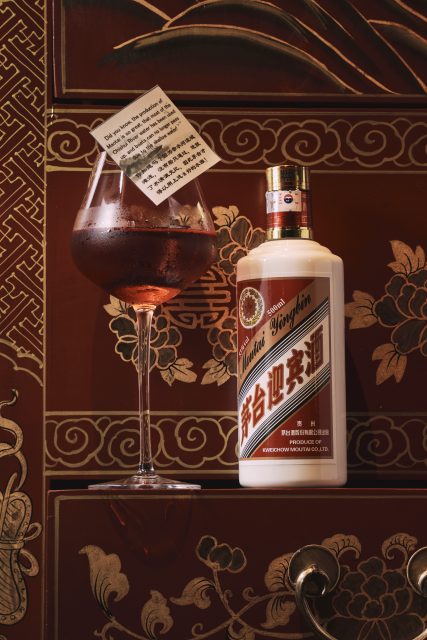
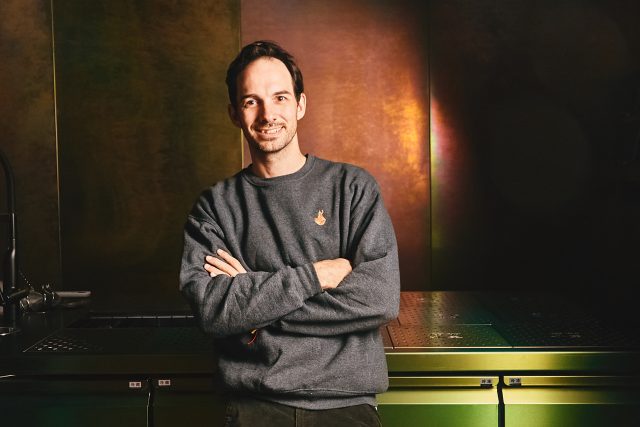
In January, Bastien Ciocca – co-founder of Chinese baijiu bar Sanyou in Guangzhou – hosted a baijiu cocktail party at Bangkok Marriot Hotel The Surawongse for the China Alcoholic Drinks Association, the co-host of a regional event set to take place a day later that had hoped to discuss baijiu trade and promotion in Thailand.
Attendees included export directors from recognisable baijiu labels like Wuliangye, Yanghe and Niulanshan as well as bar owners from around the world, including Oslo’s Himkok, which ranked 14th best bar on The World’s 50 Best Bars 2025.
“These Chinese baijiu brands are familiar with hosting banquets; a party like this is a rare incident, so they were surprised to see the interest and curiosity the world has for baijiu,” says Ciocca.
Baijiu battles challenges
Known as the drink that can “solve anything” by United States secretary of state Henry Kissinger in a meeting with then Chinese vice-premier Deng Xiaoping in 1974, the mostly transparent, sorghum distilled baijiu – or “white alcohol” – became the national drink often downed in shot glasses at elaborate state dinners and business banquets.
For years, baijiu brands – some worth up to seven times more than Western alcohol giants like Pernod Ricard – relied on this clientele, until President Xi Jinping’s fierce anti-corruption crackdowns against lavish smorgasbords fuelled by alcohol.
According to a 2026 report by the China National Association for Liquor and Spirits Circulation, baijiu has been slumping in output, price and sales since 2023, urging the need to look beyond its borders for new business. Last year, baijiu exports were valued at RMB7.56 billion (£826 million), a 130% growth from 2020.
A ‘long way to go’ before baijiu unlocks mixology market
Though desperate to spread their word, Ciocca says many baijiu brands struggle with communicating with the world and “don’t dare to make the first move”.
Partner Content


“They still have a long way [to go] in terms of learning how cocktail bars work, what is needed to grow baijiu as a whole and how to talk to young people,” he says. “From branding, pricing, bottle design and training materials to how you conduct events and visitor experiences, everything needs to be reworked.”
For too long, he adds, baijiu has been focused on touting its history and business successes rather than craftsmanship and culture. Sales almost always takes precedence over branding, explaining why many of their visitor centres are catered to “tour groups for the older generation who arrive and just buy bottle after bottle, whereas ones by western brands in China will feature cool pairing dinners and media tastings.
Getting bartenders excited
“Only recently do we see any improvement”, says Ciocca. The prized profit margin also details why most brands exclusively export their premium line that averages €500 a bottle – a deterrent for even the most curious drinkers.
Ciocca’s solution? Getting a global community of bartenders excited about the drink. By this summer, he hopes to launch a website with educational content about aroma categories, history, global distributors, food pairing options and tasting notes of the varied regional expressions of baijiu, alongside a cocktail page featuring not only Sanyou’s recipes, but also submissions from bartenders from around the world.
These recipes will form the database to an AI-backed “create your cocktail” guide for bartenders eager to learn about the tipple.
Thinking globally
“Currently, baijiu only appeals to countries with a large Chinese population, so the idea is that if more bartenders use baijiu in their cocktails, then more people will see its value and brands will be urged to change and invest in bars,” he says, anticipating a baijiu-themed cocktail festival or a brand-backed baijiu bar in the future.
“All over the world, Asian and Chinese restaurants are becoming more and more trendy, so baijiu can ride on this train and break out of the stereotypical Chinese clichés. The opportunity is there, we’re very close.”
Related news
Six new Master Sommeliers announced
Are fine-wine collectors one and the same around the world?
India tightens rules on high-alcohol oral medicines to curb misuse


