



California releases a stampede of ‘conservation wines’
Two new Californian brands, both involving well-known names in the trade and both donating a portion of their profits to the conservation of endangered species, are launching in the UK this summer. Sarah Neish investigates the rising trend of wildlife wines.
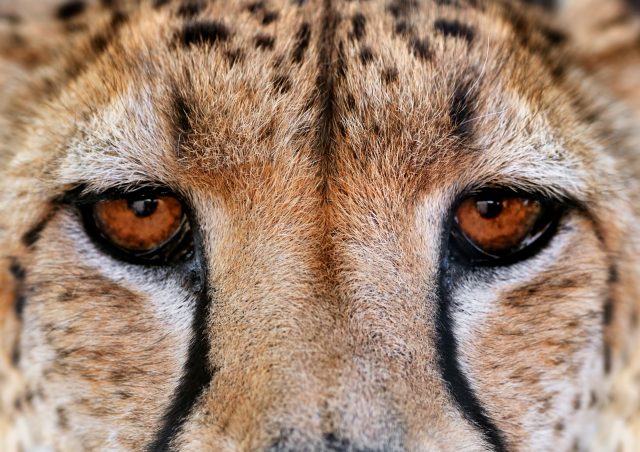
In the coming months two California wine brands will launch at polar opposite ends of the UK market, one hitting the shelves at supermarket Asda; the other occupying the “ultra-luxury” segment with extremely small production available only via private members clubs and the elite on-trade.
Both brands have serious winemaking clout behind them; the former is the brainchild of Concha Y Toro’s well-respected Bonterra Organic Estates, the latter is made by an A-list team including Robert Mondavi Jr. (grandson of Robert Mondavi), Maayan Koschitzky (formerly of Screaming Eagle), and Philippe Melka (named one of the top nine wine consultants in the world by Robert Parker).
But what joins the two brands together, bridging a gap between the commercial and the collectible, is a commitment to supporting wildlife conservation, with funds funnelled towards protecting threatened species.
Backing the bison
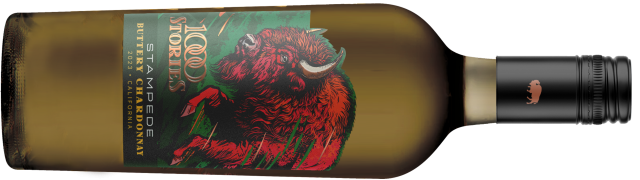
For 1000 Stories Stampede Chardonnay, made by Bonterra winemaker John Kane, and backed by VCT Europe (the European arm of Vina Concha y Toro), the beneficiary is the Yellowstone Native Bison.
Working with charity Yellowstone Forever, a portion of profits from the wine, which launched in Asda stores this week, “directly supports transferring Yellowstone bison to Tribal nations” which the brand says promotes “ecological and cultural restoration”.
The cause is a complex one, involving many stakeholders. As the bison population continues to grow in Yellowstone National Park, which spans Wyoming, Montana and Idaho, the animals increasingly migrate outside of the park, posing a risk of property damage and spreading disease to local cattle as they go. Rather than slaughtering bison that move out of the park, Yellowstone’s ‘Bison Conservation Transfer Programme’ moves live bison via vehicles, quarantines them to contain the spread of disease, and then delivers the animals to more than 26 Native American Tribes in order to “re-establish cultural ties and herd populations”. For many tribes bison are considered sacred and central to their spiritual identity.
The overarching goal is to preserve a wild, migratory population of bison, which are considered a vital part of a healthy prairie ecosystem, and to bring the superior genetics of the Yellowstone bison (as confirmed by the park’s biologists) to Tribal lands. As Yellowstone bisons breed, it helps to ensure a healthier species population overall.
So far, more than 190 bison have been transferred through the programme. And it is hoped that sales of 1000 Stories Stampede Chardonnay will help to grow these numbers further.
“Feel-good moment for consumers”
Speaking exclusively to the drinks business, Preety Johl, senior marketing manager at VCT Europe, said: “With 1000 Stories Stampede, we’re bringing authenticity back to US wine. Inspired by the resilience of the American bison, Stampede is about choosing the brave move and making a positive impact along the way.”
Launched in Asda on 20 April, priced at £10, Stampede Buttery Chardonnay 2023 comprises 76% Chardonnay, with the remaining blend made up of Riesling, Viognier and Gewurztraminer, all grown fermented and aged in Central and Northern California.
According to Johl, the “disruptive label design” and partnership with Yellowstone Forever “creates a feel-good moment for consumers, making social and environmental responsibility a part of their everyday shop”.
Explaining how the wine sales feed back into conservation, Johl told db: “The partnership is all done through Yellowstone Forever. We donate money to the non-profit and the funds are directed towards the Bison Transfer Programme.”
There are already plans to expand the range, with 1000 stories set to bring out a Stampede Cabernet Sauvignon in August 2026.
“Nearly undisturbed ecosystem”
Despite Yellowstone National Park being located about 1000 miles from Mendocino county, where Bonterra Organic Estates is located, the iconic landscape still resonates strongly with the winemaking team.
“The landscape is astonishingly diverse, with volcanic plateaus, rugged mountain ranges, pockets of steam rising into the sky, and serene lakes woven throughout,” Tiffany Tran, marketing director for 1000 Stories, told db. “What elevates Yellowstone from beautiful to unforgettable is how intact and wild it remains. One of the largest nearly undisturbed ecosystems on Earth, it feels profoundly real and untouched, with massive bison herds roaming open valleys, bears foraging in forests, and elk moving freely across the land.
“Seeing wildlife thrive in such a raw, untamed space gives Yellowstone a sense of authenticity that’s both humbling and awe-inspiring”.
However, the issue of wildlife conservation is rarely black and white, and it would be remiss not to mention the opposition to Yellowstone’s bison management strategy, with critics protesting the fact that migrating bison continue to be slaughtered, as well as permitted to become a food source for the Tribes.
America’s National Park Service explained: “Managing Yellowstone bison is controversial, with many who hold strong opposing views”.
Menagerie Wines: here to “disrupt fine wine”
The second notable project, Napa Valley-based Managerie Wines, is set to launch in the UK this summer via private clubs, restaurants and speciality venues, and its founders are expecting the release to “disrupt the fine wine category”.
Partner Content

It’s a brand that certainly has some attention-grabbing names attached to it. Conceived by Californians Ricky and Lisa Novak, the project has drawn a trio of world-class winemaking talent (Philippe Melka, Maayan Koschitzky and Rob Mondavi Jr.), and allowed them to flex their skills by exploring techniques such as finishing wines in rare spirit casks. Find out more about how they roped in such a decorated team in this db interview.
At the heart of Menagerie is a close partnership with the Tusk Trust, which safeguards a number of endangered species including elephants, rhinos, lions, cheetahs, leopards and hippos, to which Menagerie has committed 5% of its gross sales. For events held by the winery in partnership with Tusk, that figure climbs to 10% from related sales.
Speaking to db, co-founder Ricky Novak, explained that “Tusk stood out immediately” when looking for a conservation cause to support.
“Not only have they proven to be deeply effective in protecting wildlife, but equally committed to supporting the local communities that coexist with it, something we see as essential to creating lasting impact,” he said. “It’s that balance that sets Tusk apart. It is not conservation in isolation; it is a more holistic approach that recognises you cannot protect wildlife without also investing in the people and environments around it.”
A collaboration with celebrated wildlife photographer David Yarrow has also “helped bring global attention” to both Menagerie and to Tusk’s efforts, said Novak.
High intent, high prices
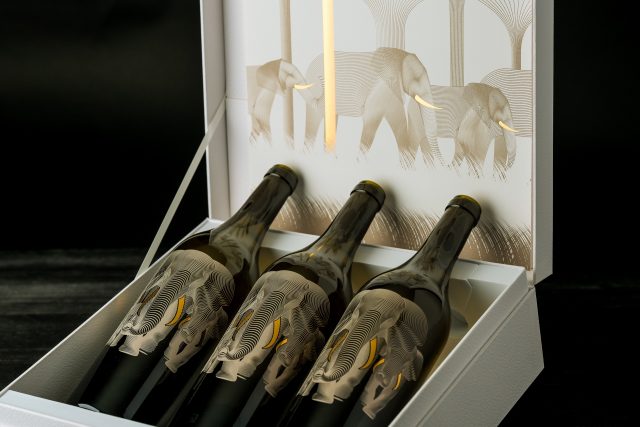
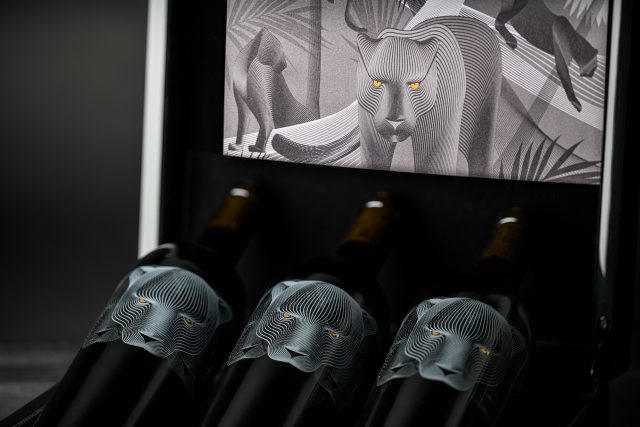
Having been available in the US since 2022, Menagerie is all about extremely small production (first vintage reds were under 100 cases in total) and beautiful artistry, with each vintage named after a certain animal, and wines housed in boxes showcasing artistic works dedicated to that species.
“From the start, the focus has been on building a very tight, loyal following rather than scaling quickly,” said Laura Schofield, founder of communications agency Heed, representing Menagerie in the UK. “Due to our small production, allocation has been extremely limited, and most of our growth so far has come through direct relationships, collectors, and word of mouth rather than broad distribution.”
However, db can reveal that the brand has already captured the attention of some of the UK’s most prestigious on-trade venues including 67 Pall Mall, Gordon Ramsay Group, Annabel’s, The Twenty Two, Amazonico and The Roof Gardens.
“The UK will be our first international market outside the US, and it marks the beginning of a broader global roll-out that we’ve been working toward for some time,” said Schofield. “The feedback received from a recent trip to London was that as a wine, a brand and an experience, Menagerie is what the market needs. Something with a unique story that goes beyond what is in the bottle.”
Prices reflect “the scale and intent behind what we are doing”, said Schofield. A three-bottle box of either Shadow of Jaguars 2021 – Cabernet Sauvignon, or Conspiracy of Lemurs 2021 – Proprietary Red Wine is currently priced at US$1350, while a three-bottle box of Parade of Elephants 2023 – Sauvignon Blanc will set you back US$400. The wines are also available in single magnums for about US$1,000 each.
Stewardship and preservation
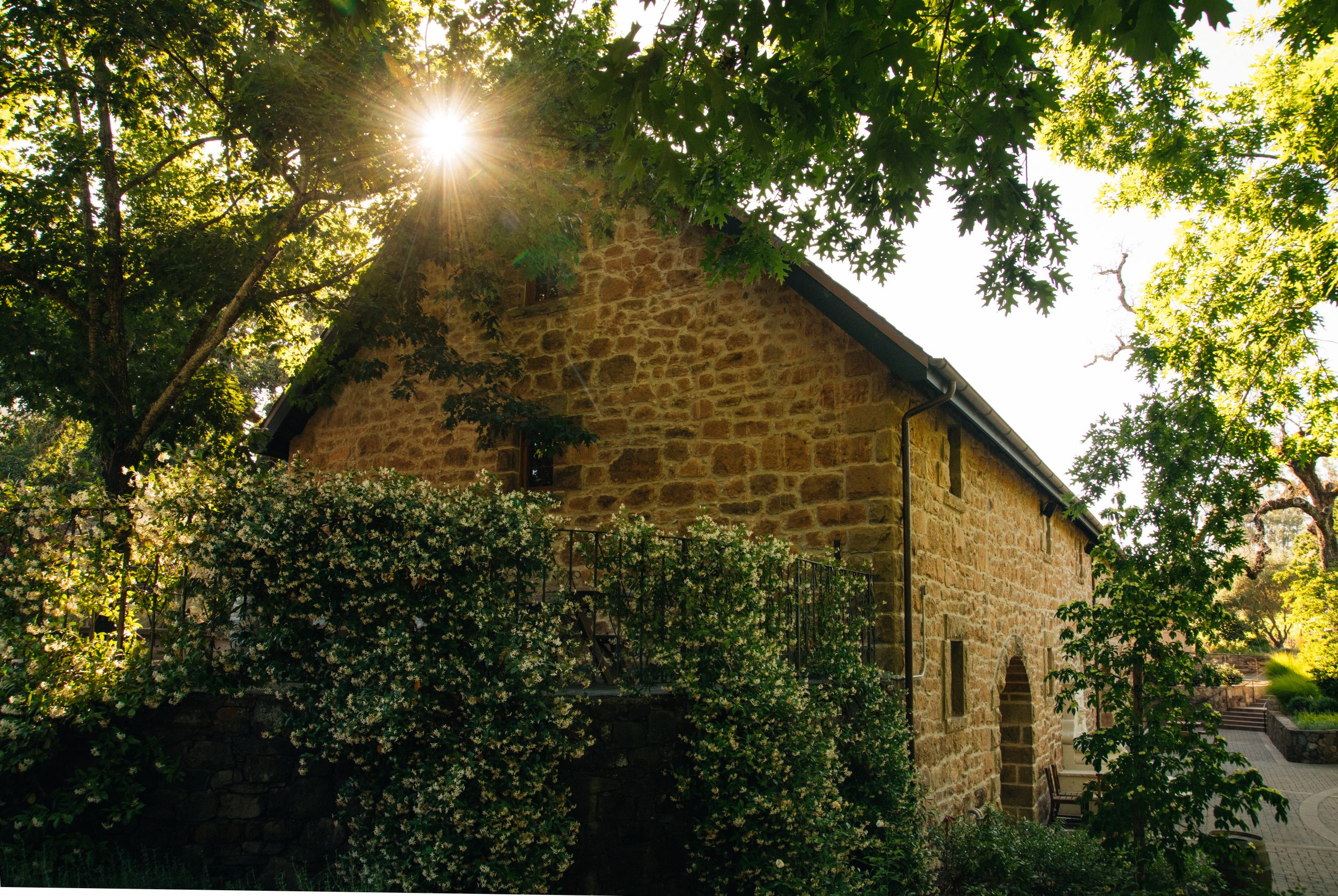
The wines themselves are produced in Napa Valley, “drawing from some of the region’s most sought-after sites, including Oakville and Pritchard Hill”, said Novak. The team blends mountain fruit from higher elevations with more expressive, riper fruit from the valley floor, “which allows us to balance structure, depth, and approachability in a very intentional way”.
So why weave in the wildlife message when the wines would surely sell themselves?
According to Novak, “there is a growing awareness that what we do is inherently tied to the land. As that awareness deepens, many producers are looking beyond the vineyard and asking how they can have a broader, more meaningful impact. Wildlife conservation is a natural extension of that mindset, it is about stewardship, preservation, and thinking long term. For us, it aligns closely with the same values that guide how we approach winemaking”.
Novak hopes the twofold message will help drive Menagerie’s success. “On one hand, the wines themselves are extremely limited and crafted at a very high level, which naturally appeals to collectors and the trade,” he said. “Beyond that, there is a deeper story, one that connects craftsmanship with a broader purpose. Consumers today are more thoughtful about what they support. When there is a genuine alignment between the product and the mission behind it, that tends to resonate in a much more lasting way than either element on its own.”
Does he dream of getting Menagerie wines onto the lists of premium safari lodges around the world? “It’s certainly an exciting idea, and one that feels very aligned with the spirit of the brand,” he told db. “Premium safari lodges would be a natural fit, there’s a shared appreciation for rarity, experience, and connection to the natural world. While we’re focused on building the brand thoughtfully, it’s absolutely something we’d love to see develop over time”.
Wildlife wines: will they sell and where?
The positioning of wildlife conservation wines (off-trade vs on-trade) may be a key determining factor in their success.
“I would say that these type of attributes are less likely to drive sales in the on-trade than in the off-trade, primarily because the off-shelf purchase enables the consumer to see the visual cues that these type of brands normally incorporate as logos or pictorial references to get the conservation message across,” Emma Dawson MW, head of buying for Berkmann Wine Cellars, told db.
“The wine list in restaurants or other on-trade establishments might struggle to convey those messages, and sommeliers normally want to focus on the wine credentials when conveying messages about wines to their customers,” she continued.
“Supermarkets also publish supplementary material in magazines or their websites where these in-depth conservation stories can be told. The same challenge is posed for other attributes like Fairtrade.”
Berkmann has New Zealand wine brand Spinyback on its books, with a portion of the proceeds going towards helping protect the spinyback – “the sole surviving member of the ancient Rhynchocephalia, and the world’s only surviving link to the dinosaur” – from extinction. The wine is produced by Waimea Estate in Nelson, which supports the Brook Waimarama Sanctuary and the island sanctuary of Tiritiri Matangi, towards this goal.
For Dawson, while a conservation message adds another layer of depth to a wine’s story, “the wildlife credentials never play as the primary purchasing cue”.
“That will always remain price, grape variety and origin, and then, potentially, packaging,” she argued. However, Dawson believes that the conservation message could be the deciding factor “in swaying a customer who is choosing between two wines” providing that “all other factors fit with their normal purchasing preferences”.
Related news
Glass half full: Asia offers hope for struggling California wine
California pleads with Quebec to lift trade ban
California wineries request US$32 million to fight vineyard pest


