



Less but better: ProWein 2026 signals shift to quality
From shifting attitudes to new product launches to the rise of umami-led cocktails, ProWein 2026 revealed an industry rethinking its priorities — with quality, collaboration and consumer demand driving the conversation.
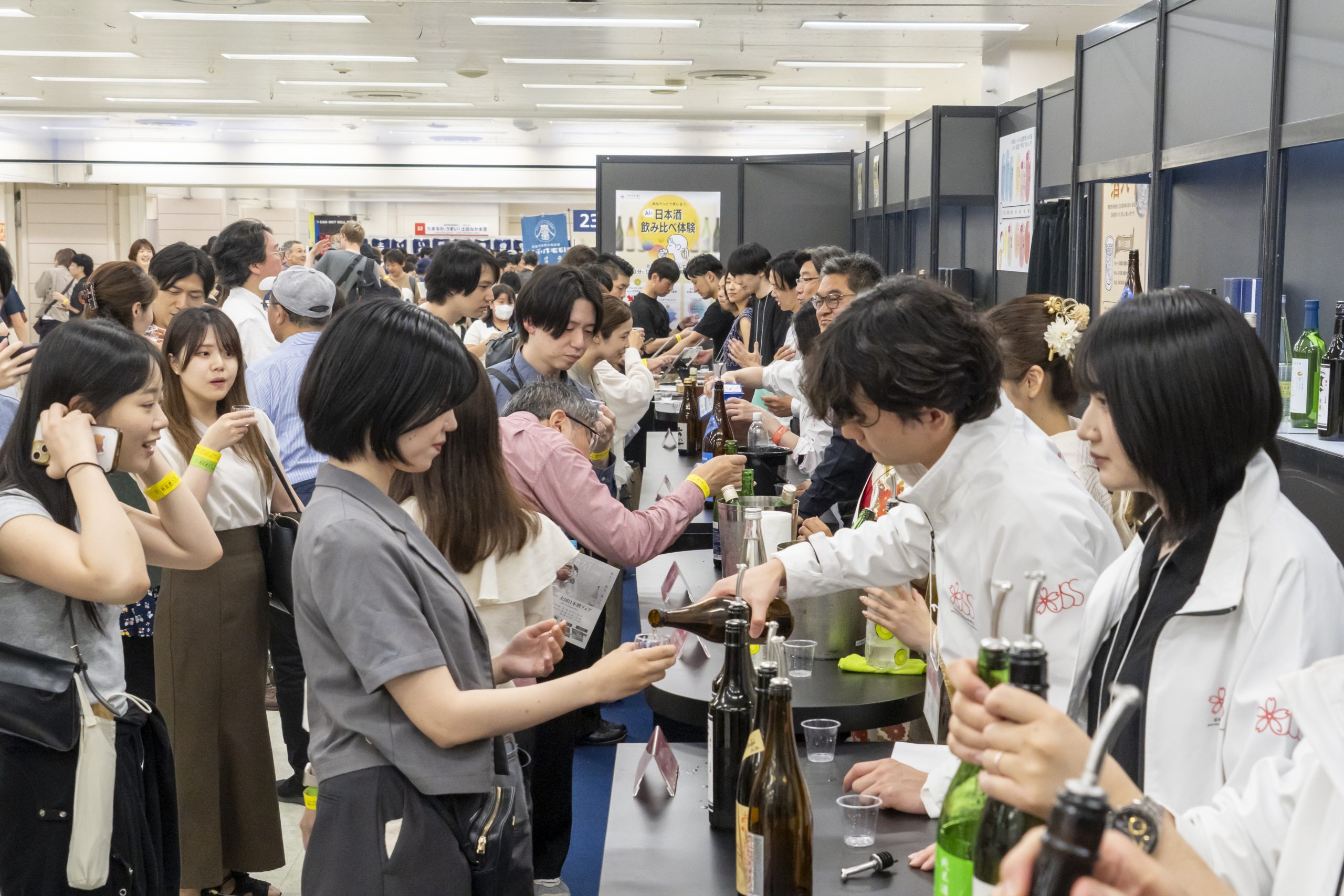
ProWein 2026 may have been lighter on footfall, but it was heavy on direction. Across halls and categories, one message came through clearly: quality is taking precedence over quantity.
From how producers approach innovation to how bartenders build their menus, the industry is becoming more selective — and more strategic.
Rethinking new product launches
Trade shows have long been a launchpad for new wines, spirits and liqueurs. But in Düsseldorf this year, many producers signalled a shift in mindset, focusing on strengthening existing ranges rather than pushing out multiple new SKUs.
For González Byass, that meant refining rather than expanding. The company used ProWein to refresh its Beronia label instead of unveiling a wave of new products.
“We wanted to give the iconic Beronia brand a refresh and reinforce the storytelling behind our wines,” said Montraserrat Ocampo Vázquez, describing the move as a way to strengthen the brand’s positioning. The updated “boomerang-style” label introduces a more modern, curved design, offering a premium feel while maintaining the identity of the wines themselves.
Where new products are being introduced, the approach is more deliberate. At Château Puech-Haut, export director Jean-Bernard Tison said the decision to enter the no and low category was driven by persistent consumer demand — but executed with restraint.
“We were receiving so many questions about low and no alcohol — the demand isn’t going away, you can see it here at trade shows,” he said. “We still don’t sell as much as our flagship bottles, but there is demand. We wanted to create this new product, but we were very careful to keep it as close as possible to our original wines.”
The result is innovation that prioritises consistency and quality over novelty — a theme echoed across the fair.
Partner Content
Behind the bar: less, but better
The same thinking is shaping the on-trade. During a panel hosted by The Spirits Business and moderated by Melita Kiely, speakers pointed to a growing preference for simplicity and substance in cocktails.
For Edward Nijhoff of Rumah Bar, that starts with the base ingredient. “Primary products are becoming more important than the cocktail itself,” he said, describing what he sees as a “dumbing down” of cocktails — not in quality, but in approach — as bartenders move back towards quality over quantity.
Rather than chasing fast-moving trends, Nijhoff said bartenders are looking to build long-term partnerships. “Bartenders want key brands they can work with and build relationships with — there needs to be more connection with the brand,” he explained. “It’s not just about listing a product anymore. The question is: how can a new brand connect with you?”
That connection, he added, should be meaningful and collaborative. “It’s good to follow trends, but the real winners are the ones creating the trends. Stick to your core purpose and original principles and the success will follow.”
From the brand side, Ingo von Ameln of Choya Umeshu reinforced the importance of these relationships, noting that engagement with the on-trade now goes far beyond simply supplying liquid.
“On trade is all about creation, off trade is all about volume,” he said, pointing to a shift in flavour preferences too. “There is more demand for umami style, less sweetness, more of a taste experience — seaweed, umami flavours, even fusion with savoury elements.”
A more focused future
Across both product development and bar strategy, the message from ProWein was consistent. The industry is moving away from excess — fewer launches, fewer ingredients, fewer gimmicks — and towards clarity of purpose.
Whether through refining established brands or building deeper partnerships in the on-trade, success in 2026 looks increasingly tied to doing less, but doing it better.
Related news
Top 6 findings from the ProWein Sparkling Report
China’s leading wine regions showcase global ambitions at ProWein
ProWein 2026: quieter halls confirm plans for 'strategic reorientation'


