



New tricks: the changing face of Bordeaux
Looming over Bordeaux’s harbour is the Cité du Vin, a swirling spaceship of a building designed by French XTU Agency architects Anouk Legendre and Nicolas Desmazières to mimic both the flow of the Garonne river and the swirling of wine in a skyscraper-sized glass. For centuries, Bordeaux has been synonymous with the expensive red wines that have built a world-class fine wine empire. But as the southwestern region of France adapts to a global drop in alcohol consumption and shifting consumer habits, a swathe of châteaux are showing a new side to Bordeaux. As symbolised by the wine museum’s architecture of flowing wine and the fast-moving Garonne, Bordeaux never sits still. It’s a region defined not by Cabernet Sauvignon, Merlot and Cabernet Franc, but by deftness, diversity and the ability to swiftly adapt.
A fresh look
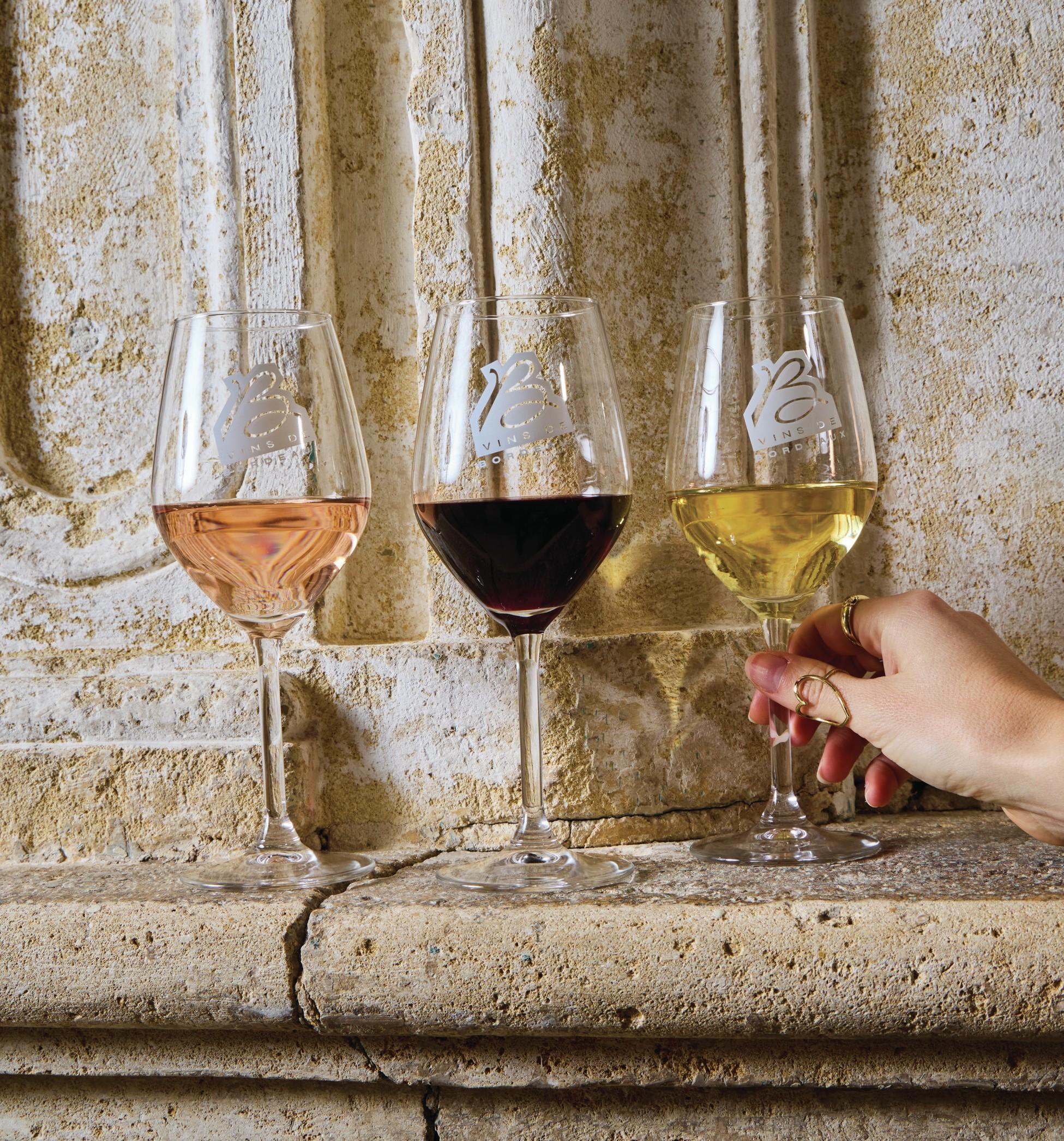
As consumers pivot towards lighter, fresher wines, dry white from Bordeaux is emerging as one of the region’s most dynamic and commercially important categories. While white grapes account for only 12% of vineyard plantings, producers are expanding and diversifying their offer, from crisp, fruit-driven cuvées and structured dry whites to elegant Crémants and lush vins liquoreux. Château Clarke was one of the first producers in the Médoc to make white wine back in 1885, with its first vintage in 1898. The wine, Le Merle Blanc de Château Clarke, was proudly revived by Baron Edmond de Rothschild 100 years later in 1998, after he acquired the land two decades earlier. Named after an oxymoronic ‘white blackbird’, marking a rare gem, the wine is crafted from the only four white grape varieties authorised by the Bordeaux AOC. In the cellar, extended lees ageing and precise bâtonnage balance freshness and complexity, showcasing the suitability of the Médoc’s warm, gravelly terroir for white winemaking.
Among its fans is db Bordeaux correspondent Colin Hay, who waxed lyrical about the 2024 wine’s “expressive and lifted aromatic profile”, finding “distinct chalky-stony minerality” and white pear, quince, lime and green tea. “It is performing very well in terms of sales,” says the winery’s head of media relations, Marine Babion. “As an allocated cuvée where demand outstrips supply, this puts us in a comfortable position to consider expanding production.” And they’re not the only ones. From Fronsac to Côtes de Bourg, producers are following Clarke’s lead by investing in white wines to meet growing demand. Among them is Romain Baillou, owner of Château Le Piat, who planted Sauvignon Blanc and Muscadelle in 2024 – a bold move in the predominantly red wine Côtes de Bourg appellation – predicting strong potential for producing fresh, aromatic whites from the limestone soils.
Noble revamp
Yet dry styles are only part of Bordeaux’s white wine canvas. Noble rot is also undergoing a revamp, proving the region’s sweet wines can be modern, gastronomic and highly relevant today. Château Arche, nestled next to the stony, sweet village of Sauternes, with the pinnacle of Saint-Pierre-ès-Liens church visible from the vines, is tapping into France’s cocktail craze by showing why Sauternes should be a mixology staple. “The demand for Sauternes in cocktails comes from consumers and a new wave of mixologists who are not afraid to shake up traditional Sauternes consumption,” says commercial director Damien Cressot. Last October, the estate joined forces with Bordeaux’s Nektar bar for a week-long programme and masterclass dedicated to Sauternes-based cocktails. Such initiatives, combined with refreshed packaging and a more defined media strategy, are helping Sauternes to unlock a new generation of consumers.
Just a short drive away, you’ll reach the lush vineyards of Château La Rame, one of the oldest properties in the appellation of Sainte-Croix-du-Mont, where wines are produced from vineyards overlooking the Garonne with subsoils containing thousands of fossilised oysters. Grown on clay-limestone soils, La Rame’s sweet wine, Gourmandise, is made from 100% botrytised, hand-harvested Sémillon, and comes with a more accessible price tag than Sauternes. “For us, Gourmandise shows that Bordeaux sweet wines can be repositioned beyond dessert as wines for aperitif moments, seafood, lobster, spicy cuisine, blue cheeses, foie gras and fruit-based desserts,” says co-owner Olivier Allo.
What these producers show is that Bordeaux sweet wine can shine on both the back bar and the dinner table, catering to consumers who are increasingly seeking out new drinking occasions. Allo says that, while his wine is a heritage wine, it’s one that meets the expectations of today’s consumers, who are looking for “freshness, authenticity and accessibility”.
Red revolution
Red wine too is undergoing a revolution. It’s true that there will always be room for the rock star grands crus in Bordeaux, but now a new spate of lighter, fresher reds is gaining momentum, opening up a diverse range of drinkers and occasions, with a new definition for Bordeaux Claret surfing on the trend. This indicates that Bordeaux reds can still be ageworthy, but they can also be vibrant, aromatic and effortlessly drinkable. There’s room for every bottle, and a bottle for every occasion, whether that be on a Michelin restaurant wine list or around the pool with friends. Few embody this balance of tradition and innovation better than bright-eyed brothers Max and Alexander Sichel, representing the seventh generation of historic winery Maison Sichel, founded in 1886.
Named newcomer of the year in 2025, Alexander is helping to redefine perceptions of Bordeaux through wines such as Ocha, named after the Japanese word for tea due to its delicate, aromatic character. Produced using a short maceration and whole-bunch fermentation, the wine has found a following in Bordeaux’s bars and among high-end UK restaurants, including Mountain and Brunswick House. “They all loved it,” says Alexander. “It’s the new face of Bordeaux.” While Alexander gets busy wooing a younger generation of drinkers with lighter, contemporary styles, Max is championing Bordeaux’s classics.
His forthcoming project, César, aims to make some of the region’s most acclaimed wines more accessible by bringing together each year’s most awarded Bordeaux bottlings under a single label at an affordable price point. The initiative is designed to spotlight Bordeaux’s quality credentials while appealing to consumers who are drinking less, but seeking better value in the wines they choose.
Trailblazers
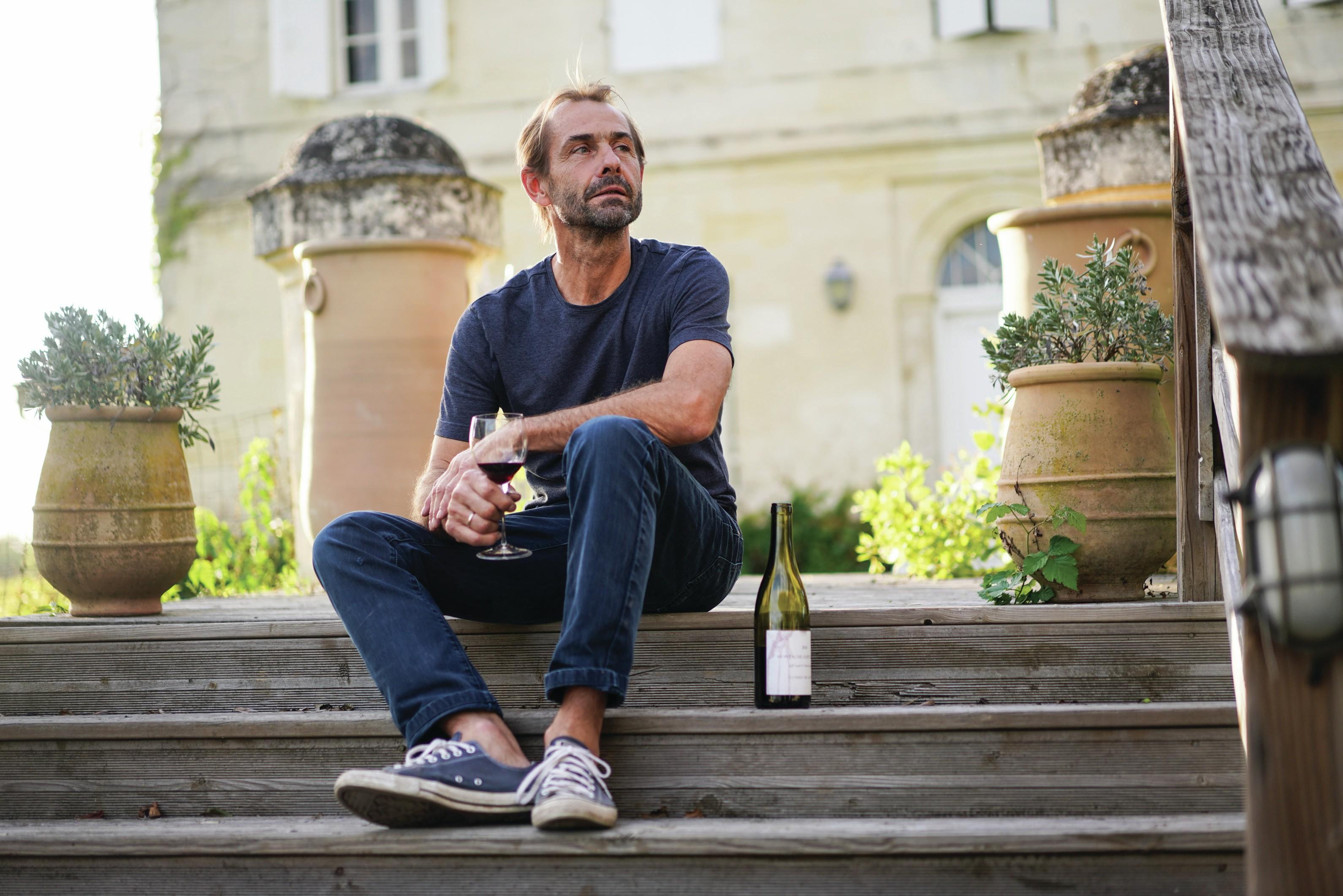
Bordeaux is not short of trailblazing châteaux, from the multi-coloured wines of Pessac-Léognan’s Château Picque Caillou and Marjosse in Entre-Deux-Mers to the silky, fruit-forward reds of Saint Emilion’s Cantenac. But there’s one name that the conversation isn’t complete without – and that’s Olivier Cazenave. Branded as Bordeaux’s “most radical winemaker” by Naked Wines, when he’s not in the vineyard, Cazenave can be found dodging fish while surfing on the breezy stretch of the Dordogne river in his backyard at Château de Bel. The former literature student’s bouquet of bottles is zesty and eclectic, spanning solera-style Cabernet Franc, easy-drinking claret and single varietals. He vows to make wines that are “proudly accessible – each of them ready to drink but equally ready to evolve”. For the winemaker, Bordeaux’s future lies in its ability to innovate while maintaining its identity. That looks like letting the vineyard lead the way: “Sometimes it must be a single grape, sometimes not; sometimes it must be full-bodied, sometimes not,” says Cazenave.
Respect for the land
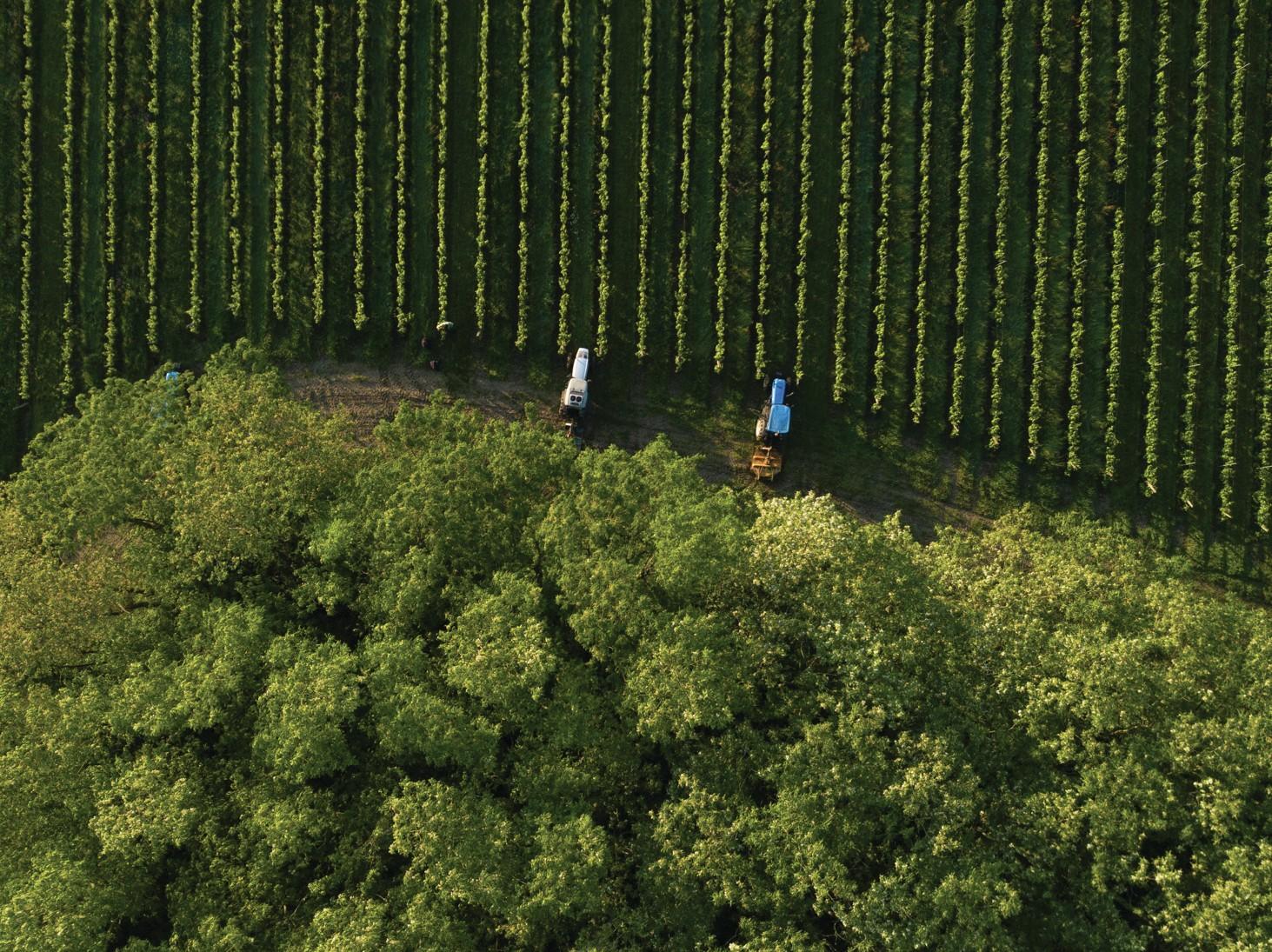
And letting the vineyard lead includes respect for the land. Cazenave’s wines have been certified biodynamic since 2016, pointing to a broader movement making waves across Bordeaux. Over the past decade, the region’s winemakers have made significant strides in sustainability, positioning Bordeaux among the world’s leading wine regions in balancing viticultural excellence with the realities of climate change. Today, more than 75% of Bordeaux vineyards are certified under an environmental scheme, while the organic vineyard area has expanded rapidly in recent years.
This spans biodiversity initiatives and reduced chemical inputs, plus water management and carbon reduction strategies. Winemakers are experimenting with new grape varieties, allowing limited plantings and blending to test their suitability for future conditions. Alongside this, they are adapting rootstocks, improving soil management, using cover crops and mapping mesoclimates to identify cooler areas. A key focus is developing new, disease-resistant, late-ripening grape varieties that could cut pesticide use by up to 90% while also helping vineyards adapt to climate change. Vignobles Gabriel & Co., a collective of 34 winegrowers committed to ethical wine, became the first French wine sector operator to obtain Fair for Life certification in September 2020. The accreditation supports fair trade and sustainable farming practices.
“This was an important milestone, both for our company and for the wider Bordeaux wine industry, as it demonstrated that a fair trade approach could be successfully applied to a collective of independent winegrowers in France,” says Pauline Réaud, the group’s marketing and communications officer. For Réaud, it represents more than a certification. “It is the recognition of our values and of a different way of doing business in Bordeaux,” she explains.
But even those without certified organic status are employing unique and innovative methods to make sustainability a priority. At George 7, located in the Fronsac sub-region, English winemaker Sally Evans feeds olive skins from oil production to flies, then uses the poo as fertiliser to help vines fight mildew – a sustainable alternative to manure. At Château Clarke, sheep are deployed in the vineyard in spring to beat frost, successfully raising the temperature this year by 2o C. Château d’Arche has planted thousands of trees to host local wildlife such as bats and birds, reducing insect pests without chemicals.
For years, Bordeaux has been saddled with a reputation that feels increasingly out of step with the explosive innovations on the ground. Beyond the clichés lies a region producing everything from crisp whites and cocktail-friendly sweet wines to lighter reds, while leading the charge on sustainability without losing sight of its heritage. As Cazenave urges: “Change your mind about Bordeaux. Don’t be like sheep.” Unless, of course, that is the sheep sleepily raising the temperatures at Château Clarke on cool spring mornings, cocooning the vines from frostbite – tranquil mascots for the beacon of Bordeaux’s brilliance.
Related news
Goedhuis Waddesdon: ‘there is appetite for fine wine among the younger generation’
Bordeaux vineyard values plunge as wine sales fall below three million hectolitres


