



Ireland’s alcohol consumption continues to plummet
Irish consumers’ alcohol consumption has nosedived for another year in what marks a continued downward trend over the past 25 years.
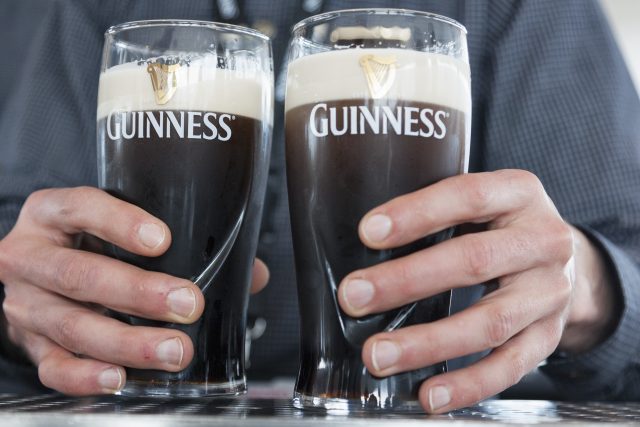
According to the latest figures from the Drinks Industry Group of Ireland (DIGI), Ireland’s average alcohol consumption per adult fell by 2.1% last year to 9.30 litres of pure alcohol (LPA). This marks a drop of more than one third (35.6%) since consumption peaked in 2001.
Beer consumption continues to fall
The data has revealed that consumption habits are changing in Ireland and although beer was the most popular alcoholic drink of choice for Irish consumers last year, with a 42.1% market share, it actually experienced a 2.7% drop in total volume sales.
Wine’s popularity has more than doubled since 2000 and wine also remained the second most popular drink for the Irish and managed to increase its volume by 4% to give it a 29.4% market share.
Similarly, spirits saw a small lift in volume of 0.2%, giving it a 22.4% share of the market and cider saw its sales volumes dip by 0.2% but maintained a 6.1% market share.
Ireland is ‘no longer an international outlier for high alcohol consumption’
The report follows international data showing that alcohol consumption in Ireland is well within average European levels. Out of 17 EU countries plus the UK tracked by the OECD in 2023, 10 exceeded the Irish average consumption level for that year of 9.9 LPA, while seven were below it.
According to the research, Ireland’s level sits just below the unweighted sample average of 10 LPA in the EU plus the UK, proving the country is no longer an international outlier for high alcohol consumption.
Partner Content

In fact, Guinness owner Diageo made a €30 million investment in the production of its alcohol-free stout at St. James’s Gate in Dublin. Plus, the drinks company revealed plans to expand a €200 million facility in Littleconnell, Co Kildare in a bid to more than double export and domestic capacity. Additionally, independent brewers across Ireland have also been showing concerns over a 9.8% price hike in water charges that threatens the future of the sector.
Following the findings, DIGI is now seeking a 10% excise reduction in the next Budget. Describing why this should be so, a spokesperson for the association explained: “Irish consumers are forced to pay one of the most punitive and unjust rates of excise tax on alcohol in the European Union.”
‘Struggling’
DIGI secretary and CEO of The Licensed Vintners Association (LVA), Donall O’Keefe said that the report data clearly “demonstrates that Irish people continue to consume alcohol at levels in line with the European average”. But also highlighted that, “despite this, Irish consumers are forced to pay one of the most punitive and unjust rates of excise tax on alcohol in the European Union”.
He pointed out the unfairness of this for a country that has been thwarted with struggles and noted that “this policy increases cost pressures on both consumers and struggling small family-owned pubs and restaurants, during a prolonged period of economic turbulence. High excise rates also reduce our competitiveness in tourism and hospitality compared to our EU counterparts”.
Pubs are important ‘to the social fabric and wellbeing of local communities’
To combat the declines, O‘Keefe said that the sector needed to “urge policymakers to also acknowledge the importance of pubs to the social fabric and wellbeing of local communities, particularly in rural areas where social isolation is an increasingly common reality”.
O’Keefe explained that “these are small businesses that have faced a decade of deep financial uncertainty, with Brexit, Covid, transatlantic trade disruption and geopolitical tensions combined with sharp increases in Govt-imposed costs, all compounding to drive rapidly rising cost pressures”.
He added: “We must help rather than hinder small business. This year, we are urgently calling on the government to introduce an immediate 10% cut in excise tax in order to reduce cost pressures on small hospitality businesses around the country”.
Related news
English investor buys historic Château Vignelaure
Wales bids for world’s first natural wine appellation
How service crop management could save vineyards in dry years


