



Reasons to get behind the fruit beer trend
The unmitigated rise of fruit beer across the UK has continued. Now, with bouts of warmer weather and a thirst for flavour, the category is thriving. Jessica Mason reports.
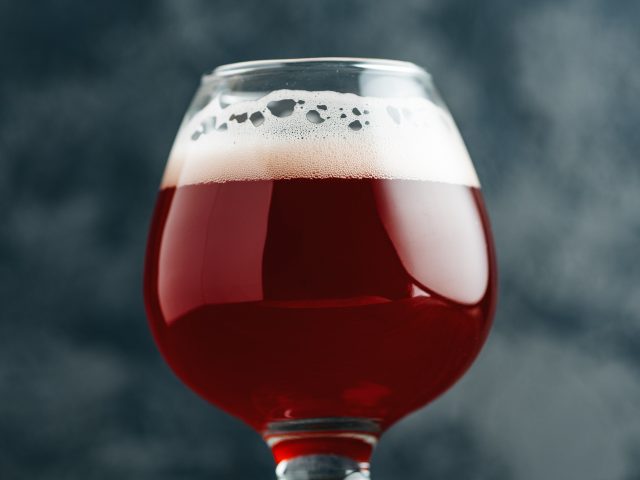
In 2024, the trend for Belgian fruit beers was being embraced across Britain. By 2025, many different fruit-flavoured brews began to emerge. It became a style to watch. Fruit-forward and low alcohol drinks had been forecast for great things. Red-hued, berry-flavours were flying off supermarket shelves and from bars taps and back fridges. Intermingled with this, the shandy and radler trend also fed into a taste for fruit-laced refreshment.
Proof is in the data
UK supermarket data shows dramatic spikes in fruit beer interest, with category projections anticipating continued high-double-digit value gains. Last year, British retailer Tesco revealed it had witnessed a huge increase in sales of fruit-led beers over the past year.
Speaking to the drinks business, Scottish brewery Vault City co-founder Steven Smith-Hay said: “Flavour is the driver behind the fruit beer trend at the moment. A recent YouGov survey found that 43% of alcohol drinkers say an appealing taste is what makes them try or buy fruit beer, with strawberry and raspberry the top choices.”
Analysts had hinted that the global fruit beer category size was estimated to reach US$433.2 million by 2030, expanding at a CAGR of 4.7% from 2025 to 2030.
Seeing red
In terms of flavour, the market is bifurcated into peach, raspberry, cherry, apricot, and many others. Plus, analysts had already identified that, looking back, “raspberry-flavoured beer accounted for the largest revenue share even as far back as 2019 with just under 30% of the category. Yet, it has also become apparent that cherry-flavoured beer was a big hitter and was expected to expand at the fastest CAGR of 5.1%.
Partner Content



The demographic shifts that the beer category is now enjoying are also assisted by the trend, with lots of different people being attracted to fruit beers and some of them finding they are interested in drinking beer for the first time.
Smith-Hay told db: “There is a generational element to it too, with 18-24 and 25-34-year-olds being the most likely to drink fruit beer, while wider research shows that in the UK Gen Z and younger millennials are increasingly opting for European-style fruit beers over traditional ales because of the lighter, more refreshing taste.”
Warm weather assists with sales
Sunshine has also played a part in low ABV fruit beers feeling somewhat refreshing. While Britain has recently experienced a bout of high temperatures this summer, the readiness for fruit beers to quench thirst has continued unabated.
Describing to db how the summer heat has been boosting sales, Smith-Hay said that “the warmer weather is undoubtedly a contributing factor as well, with 55% of respondents to YouGov’s poll saying they are more likely to choose fruit beer in warmer months – and that’s something we have seen play out in our own orders. There has been a noticeable uptick in sales during the summer.
Smith-Hay insisted that “for flavour-led breweries” the trend is “great” because “it plays right into our sweet spot and validates our strategy of bringing bold new flavours to customers on a regular basis”. Smith-Hay also remarked on the fact that the trend “can only be a good thing for the wider industry” since it was “driving product innovation and an opportunity to expand the market to new people at a time when many breweries are finding it tough”.
Related news
#WeekInPictures: the Queen visits Plumpton as craft beer and rum move into new territory


