



The future on en primeur will be determined by distribution rather than reducing price
The future of en primeur is more about how to control the distribution than the price, according to Berry Bros. and Rudd’s fine wine purchasing md Max Lalondrelle, speaking to the drinks business in an exclusive interview.
Every year, in the post-mortem of the en primeur campaign, the same arguments arise –has the price been tempting enough for consumers to buy en primeur, is physical stock on the market cheaper to buy than the new release from Chateau x and have stocks sold through?
The first question to ask is probably if a chateau which only succeeded in selling 40% of its crop en primeur this year had dropped their price by 20%, would they have sold more?
Lalondrelle isn’t convinced, despite the campaign being a successful one for BBR in which a lot of wine was sold. In terms of pricing however, “nobody got it right,” he said. “At the end of the day, getting it right means that you sell [through] within minutes, and there haven’t been many brands that have sold out in minutes” or at least, “not in the way they used to sell out in the past”.
As a result, he says he is not entirely sure that price is the solution, but merely “a shortcut”.
“There is definitely lack of interest and demand, and although you can regenerate demand and interest with a better price, and some – day I say – speculation, it’s not guaranteed and maybe the customers are simply not there anymore.”
This sober acknowledgement shows that en primeur “has to change”.
“I think in a way we had to hit a wall with the 2025 vintage”, he said, despite – or perhaps because of – the “incredible” quality of this vintage. (“I’ve been heading up [fine wine at BBR] for 25 years, and it is probably in my top two or three,” he said).
“2024 was interesting as it kind of masked all of this. We knew there were issues, but because the vintage was weaker, it had been predicted. But this year we had an extremely good vintage at fairly good prices, and though it worked across a lot of properties, it didn’t work across the majority. And it means that structurally there is an issue.”
“Because if the sales do not increase by dropping your price, then obviously dropping the price is not the way forward, and you need to explore other ways – and probably change of the distribution model,” he argued.
Partner Content
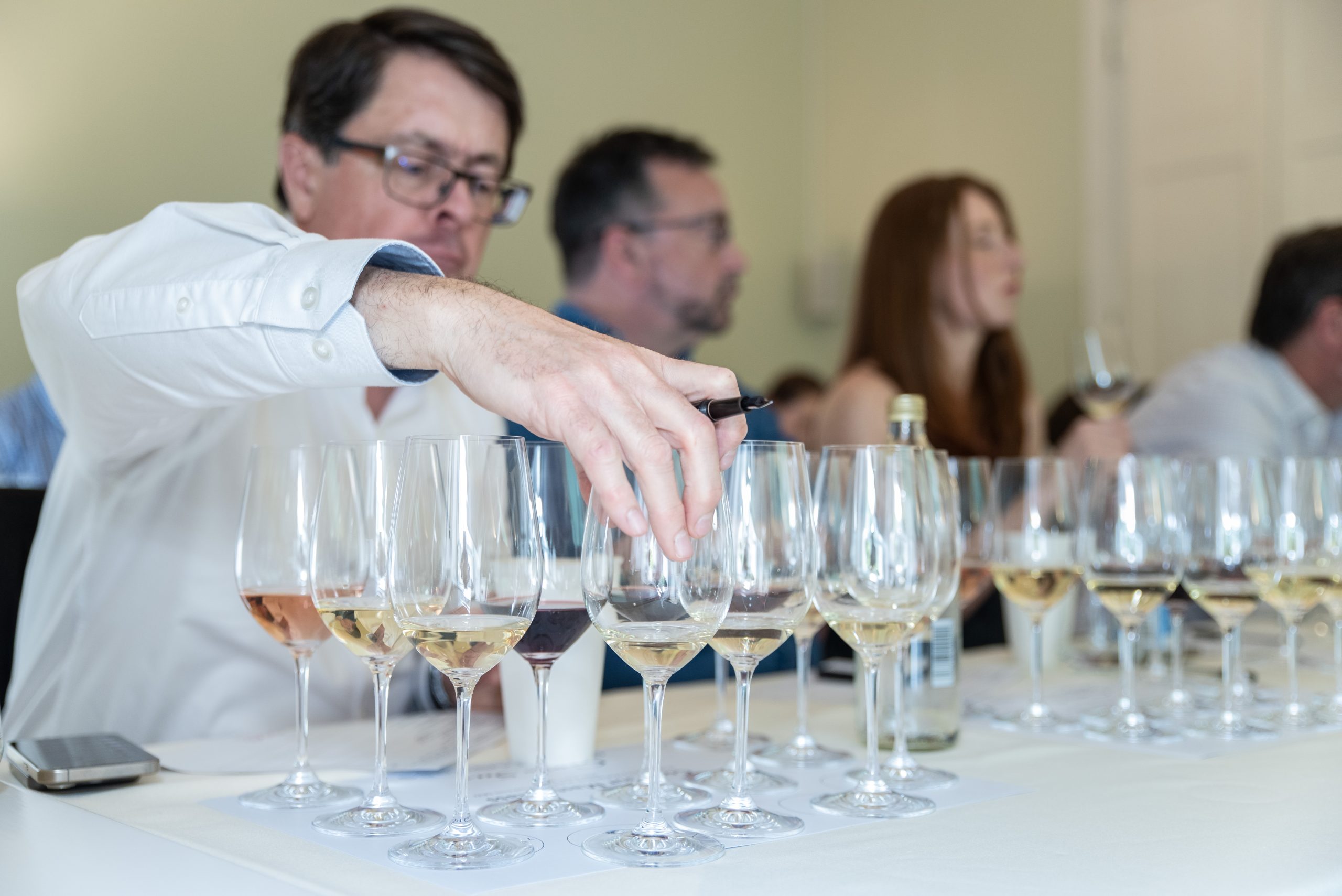
To continue selling wine en primeur, the estates will “have to look at the purpose of entrepreneur from a consumer perspective, and how do they address the lack of demand,” he said.
Unfortunately, there isn’t a one size fits all response and there is already much discussion in Bordeaux about the various different approaches.
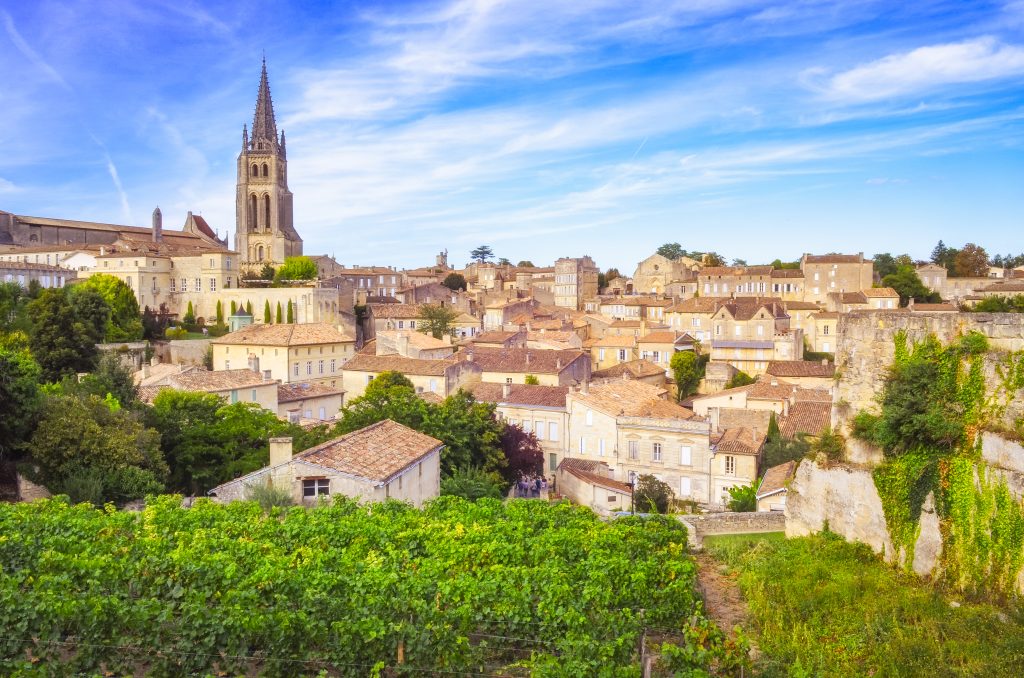
For example, some chateaux are increasing the exclusivity and making sure that the commercialisation of their wine is working in a different way. Lalondrelle points to the example of Saint-Émilion estate Château Larcis-Ducasse, for example, which used to sell only 124 bottles of wine across the UK during en primeur, but now sells “a significant amount more” now that BBR is its exclusive partner in the UK
“Because we have taken exclusivity, it becomes a priority for the business, but also we make sure that we take customers with us, and then customers have value at the end,” he says. “They will not be able to find Larcis-Ducasse cheaper in the UK.”
Increasingly, producers are narrowing the pool of courtier and negociants they deal with. Château Petit-Village for example has recently unveiled its new relationship with La Place de Bordeaux, cutting its pool of negociant from 20 to only four, and using the services of a single courtier. Others who have gone down a similar route include Château Cantemerle in the Haut-Medoc, and Chateau Beausejour in Saint-Émilion, who now works with just one negociant (plus and a handful of merchants).
This gives the chateau a far greater ability to control how much the stock is sold at not only at the first release, but also when the stock becomes physical as it reduces the chances of any one negociant dumping stock on the secondary market further down the line – whether that is because it has failed to sell through or if they need to raise cash.
“The more you have, the more people you have controlling every single of these brands, the most likely you will have a weakness within the armour,” he pointed out.
Limiting stock is a tricky proposition though. To balance out releasing less wine en primeur every year, you would sell more of livrables or physical stock, “but to do it quite quickly will require a huge amount of funding, which obviously very few people, if any, have.”
“Can wineries pivot from a big reliance on their cash flow coming from en primeur to less cash flow coming from it? I would say yes, but that’s going to take a long time, and we, if we ask for them to do that overnight, a large proportion of the wineries would struggle, even at the top.”
Related news
WineCap: which châteaux 'won' EP in terms of pricing?


