



Has the Grüner Veltliner era arrived?
Groovy Grüner Veltliner once seemed too weird to succeed, but it is finally becoming the toast of the town in vineyards and on tables across the world after years of obscurity. What gives? Kathleen Willcox investigates.

“We first planted Grüner Veltliner in 2007,” recalls Fred Frank, president of Dr. Konstantin Frank in the Finger Lakes. “The wine was an instant hit.”
Today, Dr. Frank has the largest vineyard planting of Grüner Veltliner on the East Coast, winning them accolades and high ratings, and consistently out-selling most other wines in their tasting room.
“When consumers taste the wine, they fall in love with it,” Frank says.
Grüner’s longtime insignificance is understandable. It is Austria’s flagship grape, and as a country that produces around 1% of the world’s wine, and possesses about one-third of all Grüner Veltiner vines on Earth, the grape has never been poised for global domination.
For decades, most Austrian wine was consumed domestically, and what did emerge pre 2000 was largely plonk. But slowly, the focus shifted toward sharing more premium bottlings of Grüner Veltiner with the world. In 2005, around 20% of the country’s share of
In 2024, Austria’s wine export value was around $266 million, or 64.2 million liters. In 2000, it totaled around $24.36 million, or 14.49 million liters. The increase in value was 992.7%, while the increase in volume was “just” 343%, demonstrating how much the focus shifted from plonk to primo.
During that interim, Grüner began charming sommeliers and other experts, captivating curious growers and vintners in other cool climates across the globe, and now—finally—appears to have, umlaut notwithstanding, hit the sweet spot between “never heard of it” and “so mainstream it’s uncool” to appeal to a broad swath of the wine drinking public.
Grüner, no matter how groovy, at this point is still niche in terms of vineyard acreage plantings outside of Austria. But Grüner has also become the Jennifer Coolidge of the wine world: compelling, inescapable, with cross-generational appeal, and seemingly capable of deliciously dominating any setting.
Grüner goes with all the things
Grüner Veltliner is extremely versatile, and a pinch-hit in pairings that reflect our more global, vegetable-centric approach to cuisine.
Jill Weber, PhD, an archaeologist and restaurateur behind Sojourn Philly, Rex at the Royal and Jet Wine Bar who champions local producers whenever possible, loves to see the way producers in Pennsylvania in particular have embraced Grüner’s flexibility.
“We carry Stony Run Winery’s Grüner on draft at my restaurant, Rex at the Royal, and I find it is perfect with so much of the food,” Weber says. “I’ll have it with anything from the raw bar, with fries, and with smoked fish. That versatility extends to vegetables and salads, and to all of the fabulous, flavorful Indonesian, Malaysian, and Philippine foods that have such wide fandom.”
Weber prefers Grüner as a pairing with any spiced food, hot or not over just about any other white, and says it generates more excitement than Sauvignon Blanc, “though many flavor characteristics are similar, simply because it’s different.”
In Marlborough, New Zealand, Jules Taylor Wines currently produces 550 cases of Grüner, and finds that it has become a go-to for many with tricky food pairings.
“It is well-suited to today’s lighter cuisine and is a wonderful wine to match with foods that are difficult to match with wine,” vintner Jules Taylor says. “We make a style that has a portion of fruit fermented with indigenous yeasts on high solids in neutral barrels, making it more textural and very food friendly.”
Other producers, like Dr. Konstantin Frank, also explore different iterations of Grüner, which teases out two sides of this food-friendly grape.
Partner Content


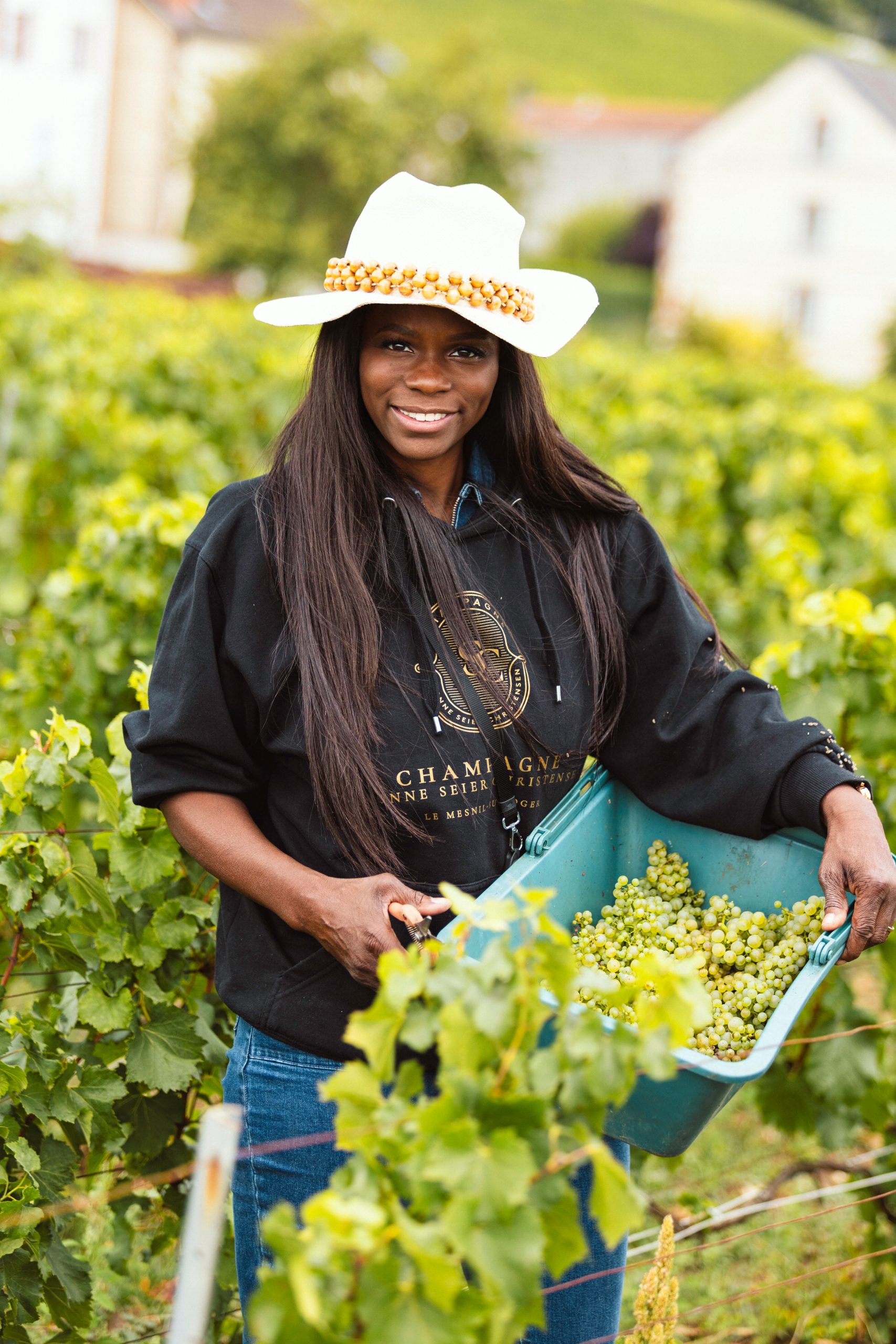
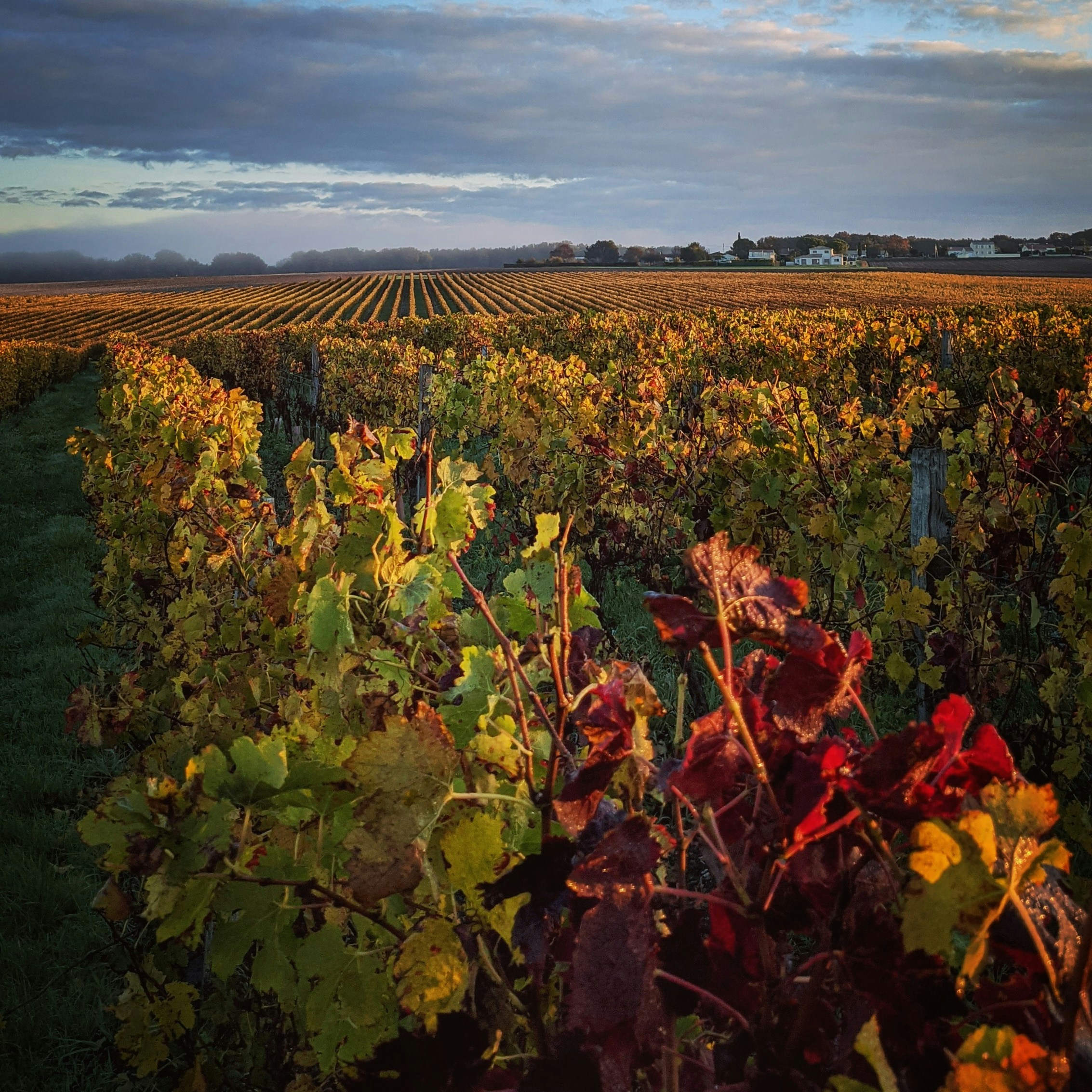
Their oak aged Grüner is fuller bodied, which makes it an ideal pairing for richer meats and creamy dishes, while the unoaked version, “is dry and has a crisp acidity with flavors of lime, lemon, and grapefruit, along with herbaceous notes,” Frank says. “It pairs nicely with seafood and vegetable dishes. Both meet the needs of the moment, providing lighter alcohol, crisp and refreshing wines.”
Grüner is cheap, chic, distinct
Because Grüner is still slightly under-the-radar, and relatively fuss-free in the vineyard, it doesn’t cost a lot to produce—which helps sell it to the curious, but dubious.
“Our Grüner retails for US$20-US$25 bucks,” says Raptor Ridge Winery founder Scott Shull. “And the fact that is try but fruit-forward, and lower alcohol, really appeals to people once they try it. For us in the last five years, it has sold out before the next vintage is available.”
While Shull is quick to say Grüner is still a niche variety in Oregon, the enthusiasm it inspires among wine lovers and vintners is notable enough to have inspired him to launch a festival for fellow producers in the Willamette Valley and beyond. The third annual iteration, held at Raptor Ridge, brought together 12 wineries growing Grüner in Oregon, with more than 200 attendees, the maximum the winery could host. Even so, they had to sell tickets with 90-minute windows to ensure crowding remained minimal.
In the Santa Cruz mountains of California, Neely Wine’s vintner Sarah Green has embraced Grüner, which the team there first planted in 2025. She says the reception has been “consistently positive. It is really nice to be able to show something a little different and unexpected to our guests in the tasting room, and at restaurants that feature our wines.”
While Chardonnay, Pinot Noir and Cabernet Sauvignon will always be the mainstays of the Neely portfolio, Green says Grüner “is the fastest-selling wine in our portfolio. It is a treat for everyone!”
Grüner has mesmerized Italian wine lovers too. Armin Gratl, managing director of Cantina Valle Isarco in Alto Adige says that while the U.S. is the strongest market for their Grüner, Japan, Benelux, the U.K. and Scandinavia are eagerly snagging their limited wares.
“The combination of Alpine freshness, elegance and versatility at the table attracts people to our Grüner,” Gratl says. “It’s precise and distinctive, but at the same time very approachable. That makes it especially appealing for sommeliers and wine-focused restaurants.”
Grüner is a cult
Once people try, grow or make a Grüner, it seems they become unofficially inducted into this versatile grape’s expanding cult following.
Grüner is such a consistent sell out every year, producers like Raptor Ridge and Neely Wine have to allocate a certain number of bottles to key partner restaurants to prevent logistical quagmires for restaurants.
And it also has become a way to entice buyers in new markets who are curious to drink their terroir’s take on this distinct Austrian variety into a broader sales conversation.
“In our overseas markets, arriving with Grüner Veltliner has been a conversation starter, and often a door opener to other wines in our portfolio,” says Taylor.
Just two weeks ago, a buyer in Norway reached out looking for a Grüner from Marlborough specifically, and the team is eager to leverage the opportunity. To meet current and probable future demands, Taylor is planting more Grüner.
The market is thirsty.
Related news
Why diversity is Grüner Veltliner's ace in the hole
Could Grüner Veltliner be a 'signature grape' of Pennsylvania?


