



Champagne Drappier’s stand against rosé homogeneity
While blended rosé Champagne and pale Provence lookalikes are currently in vogue, eighth-generation producer Champagne Drappier proves that the historic saignée method and its richer pink wines still deserve attention.
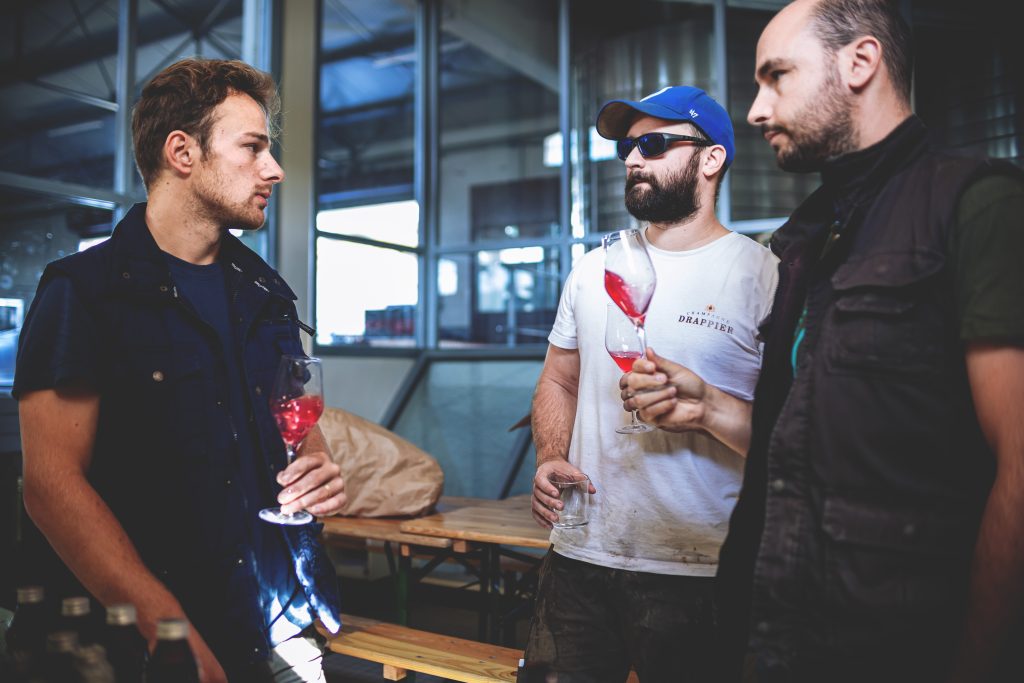
In matters of rosé, undeniably one of the most commercially important categories in the current wine market, Champagne is an outlier. While most regions rely on direct pressing or a short maceration of black grapes to produce their pink wines, producers in Champagne may also blend together red and white wines. It has, for the region, become something of a calling card.
Yet in outlier Champagne, there are also outliers. Champagne Drappier, a family-run grower Champagne house, produces four rosé cuvées: Rosé de Saignée, Brut Nature Rosé, Brut Nature Rosé Les Riceys and Grande Sendrée Rosé. Instead of blending, each of them uses the saignée method.
This means of producing rosé involves macerating black grapes and bleeding off the juice, which attains colour and aromas from the skins, but retains delicacy and vibrancy.
As a production choice, it has set Champagne Drappier against many rosé winemaking traditions of the region. It has also ensured that the grower’s unique character has not been lost in a market that values authenticity.
Veracity and vineyards
For eighth generation winemaker Hugo Drappier, using the saignée method is at the heart of his winemaking philosophy. Even in a category that profits so much from image, his rosé style is founded on veracity rather than Instagrammability.
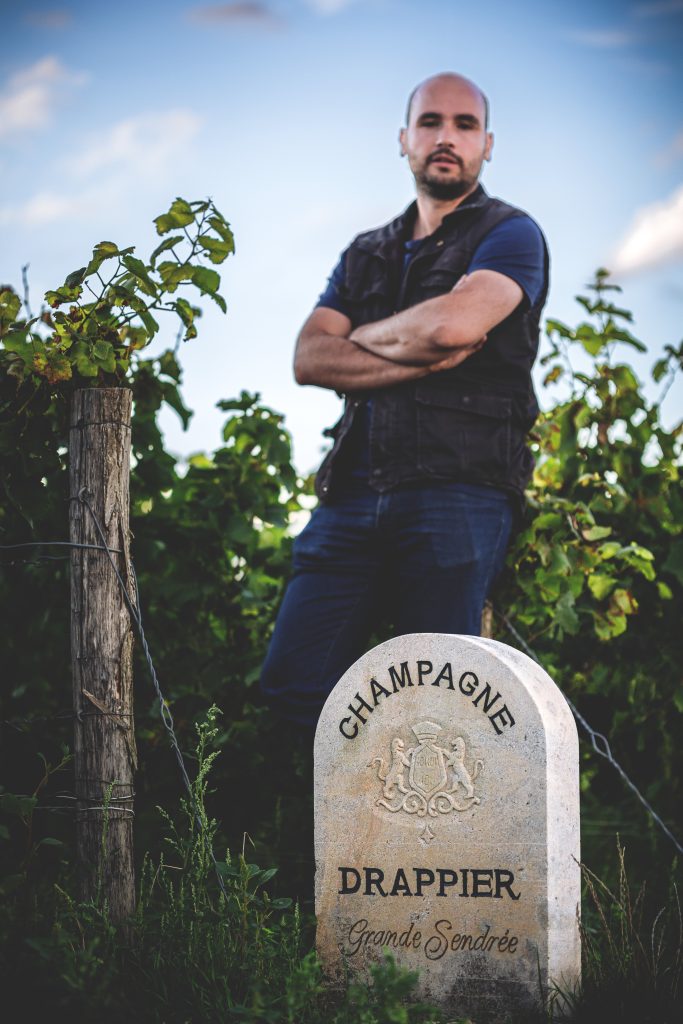
“We use the saignée method because it allows for true maceration, prioritising flavour extraction first and colour second,” he explains. “For us, a rosé should taste like a rosé, and the saignée method will allow us to achieve that balance.”
Of course, rosé is a complex and rich world. Even some of its foremost advocates have no easy definition for what constitutes a rosé wine.
Yet Drappier is confident in what a Champagne Drappier rosé should avoid. “Blending red and white is more about the chosen colour than the real taste of red fruits in a rosé,” he says.
There is a question, therefore, of truthfulness to Champagne Drappier’s rosé winemaking. They are intended as expressions of the category’s potential.
They are also a distinct expression of Champagne Drappier’s locality. While four of Champagne’s growing regions – Montagne de Reims, Côte des Blancs, Côte Sézanne and Vallée de la Marne – are approximately contiguous, Côte des Bar (Champagne Drappier’s home) is further to the south.
“It is historically a region known for coloured wines, thanks to the dominance of Pinot Noir and its warmer climate compared to the Marne region,” comments Drappier. “Our vineyards are planted on sunny south-facing slopes, allowing the grapes to achieve deeper and complete ripeness.”
Partner Content

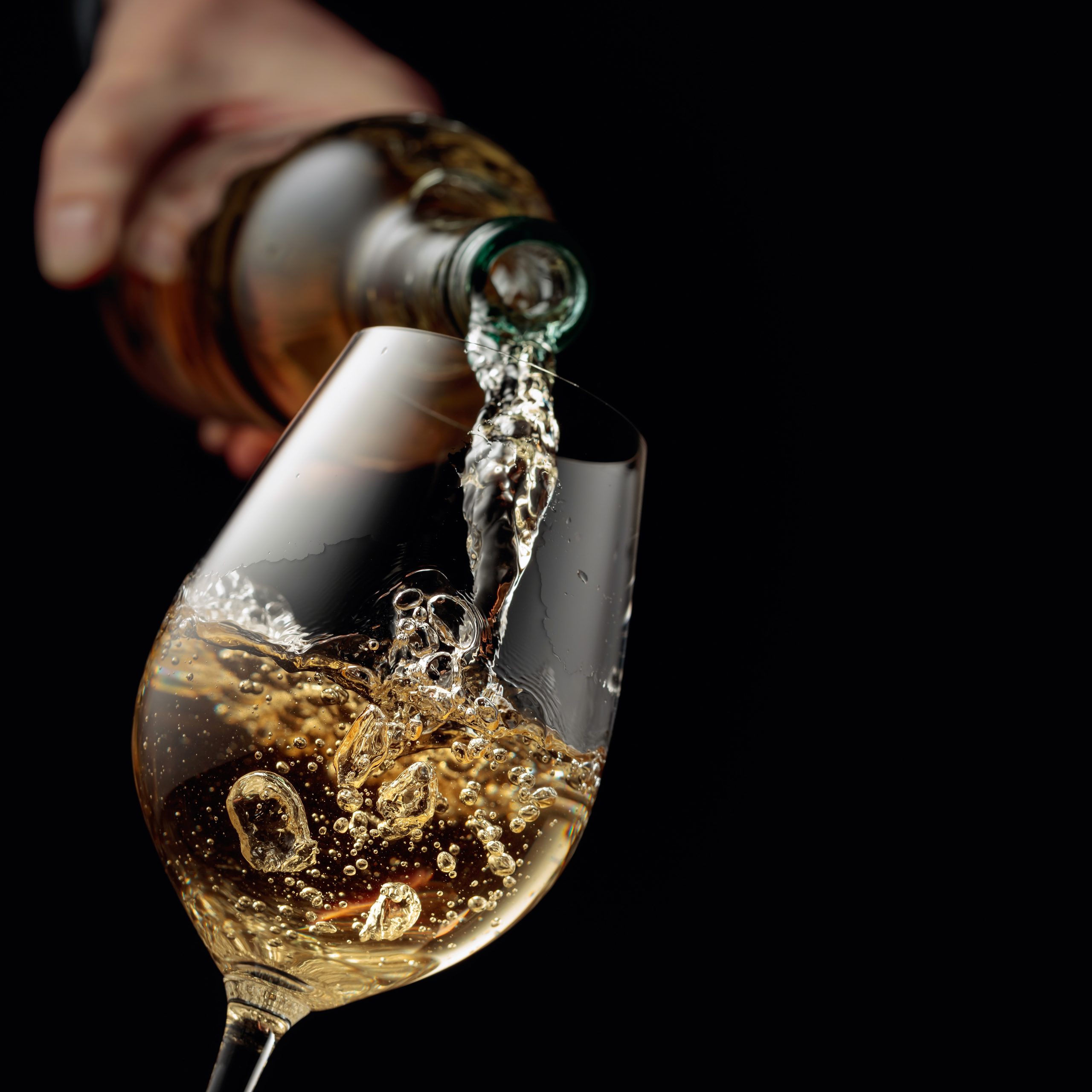
The added ripeness (usually augmented by a later harvest compared to the sub-regions) ensures phenolic maturity and aromatic intensity, but Champagne’s cool climate means that freshness is difficult to lose.
The result, Drappier says, is “character, structure and depth” – the building blocks of a true rosé.
Protecting the style
Making a rosé, particularly one that trades on character as well as colour, is not without challenge. The success of the four cuvées is testament to Champagne Drappier’s winemaking and commitment to their vision.
Firstly, there are the technical challenges. Balancing the extraction from black grapes is a difficult matter, not wanting to overwhelm the wine. In particular, Drappier works carefully to maintain aromatic precision and brightness given that rosé Champagnes are more prone to oxidation than whites.
Then there is the matter of consumer education. Provence rosés and their lookalikes have dominated discussion of the category, with consumers often assuming that a rosé should be pale and neutral. Despite the region’s longstanding production of rosé wines, that misconception is still sometimes applied to Champagne.
“Champagne rosés are very different from the still rosés of Provence,” Drappier contends. “A saignée rosé, for example, has more character, structure, and aromatic depth. The colour is part of its identity.
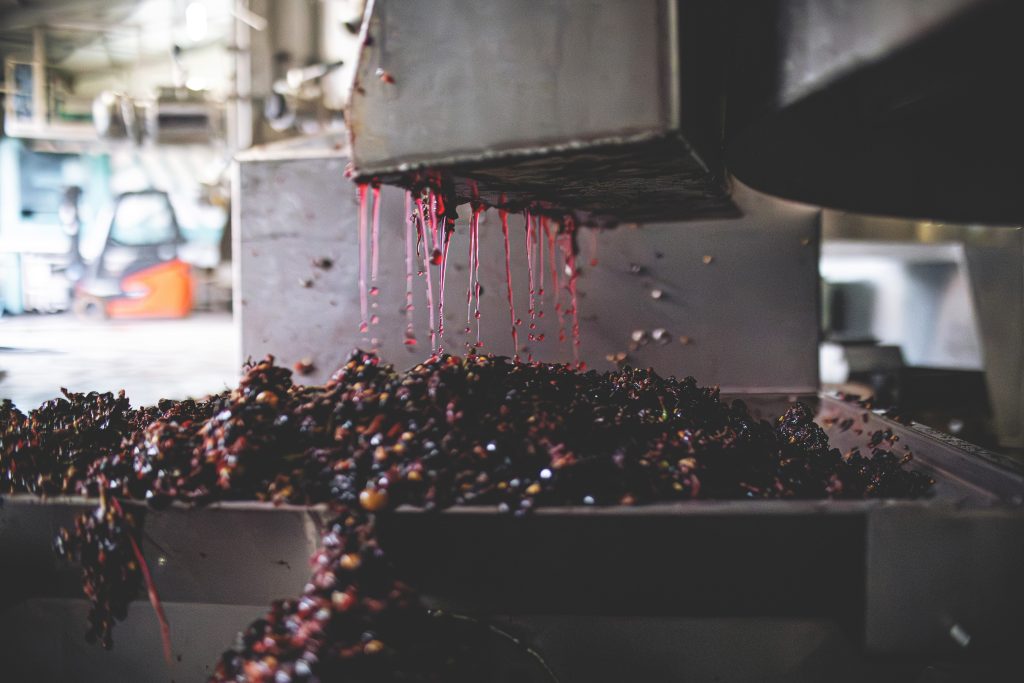
“Consumers often have preconceived ideas about wine colour. Many assume that a darker rosé must be sweeter or higher in alcohol, which is not necessarily true,” he continues. “This is really a matter of education and communication, particularly through sommeliers and wine merchants who help explain the diversity of rosé styles.”
Producing a range of wines that can fly the flag for the saignée style is therefore vital. Indeed, Champagne Drappier is notable in that it has a diverse selection of rosé styles. In addition to the benchmark brut, there is a brut nature expression, a terroir specific expression of Les Riceys in the Aube and, in Grande Sendrée Rosé, a prestige cuvée.
Whatever their preferred age or dosage, consumers can therefore experience Champagne Drappier’s authentic expression of saignée wines. In fact, the rosés are already educating drinkers.
Drappier says: “When people taste Champagne Drappier Rosé, which has a deeper colour, they often realise that the wine is not sweet at all. On the contrary, it can remain very fresh, precise, and elegant while offering more texture and complexity.”
Related news
'Subdued' en primeur campaign despite the 'uniqueness' of the vintage


