



Could the CANADA Act deepen the US-Canada drinks trade war?
Republican congresswoman Claudia Tenney has introduced legislation that could pave the way for a formal US trade investigation into Canada’s boycott of American alcohol. While the bill still faces a long legislative path, a Section 301 probe could raise the prospect of fresh retaliatory measures against Canada and prolong uncertainty for drinks producers on both sides of the border.
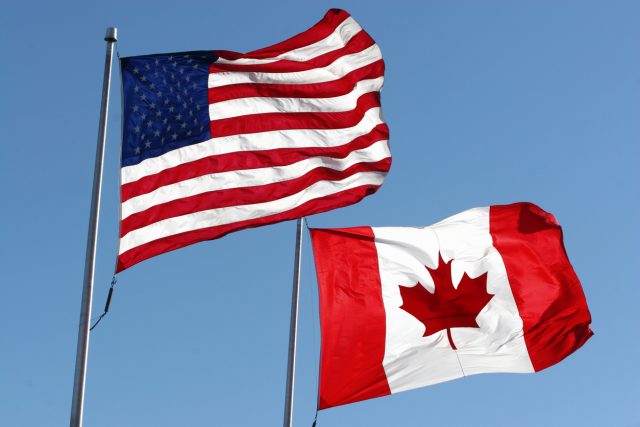
In a potential escalation of the tit-for-tat dispute between Washington and Canadian provincial governments, Republican congresswoman Claudia Tenney of New York has introduced what she calls the CANADA Act, an acronym for “Combating Attacks on our National Alcoholic Drinks by Allies”.
Rather than imposing immediate penalties, the legislation would direct the Office of the United States Trade Representative to launch a Section 301 investigation into Canadian provincial restrictions on American beer, wine and spirits.
Tenney’s constituency includes New York’s Finger Lakes wine region, home to numerous wineries and distilleries that have lost access to the Canadian market.
Why a Section 301 investigation matters
Section 301 of the US Trade Act of 1974 gives the Office of the United States Trade Representative the authority to investigate whether foreign governments have adopted unfair, unjustifiable or discriminatory policies that burden US commerce.
If investigators conclude Canada’s provincial restrictions amount to unfair trade practices, the president could be authorised to impose retaliatory tariffs or other trade restrictions.
While launching an investigation would not automatically trigger retaliation, it would significantly increase pressure on Canada to negotiate and could reopen another front in the wider US-Canada trade dispute.
Why Canada banned US alcohol
The Canadian restrictions were introduced after President Donald Trump imposed 25% tariffs on Canadian imports within weeks of his second inauguration in January last year.
Since March 2025, every Canadian province except Alberta and Saskatchewan has removed American alcohol from government-controlled liquor stores.
Unlike most provinces, Alberta operates a largely private wholesale and retail liquor system rather than a provincial retail monopoly, while Saskatchewan also relies heavily on private retailers. That has allowed American products to remain on sale in both provinces while government-controlled jurisdictions removed them from shelves.
State liquor boards elsewhere refused to renew listings for US brands while retailers promoted Canadian alternatives.
Partner Content


US producers count the cost
The impact on American producers has been severe.
Canada is the largest export market for US spirits, and Brown-Forman, owner of the Jack Daniel’s brand, said its Canadian sales fell by 60% last year after the provincial boycotts took effect.
Tenney’s proposal has received backing from producers and trade associations.
“For too long, America’s craft distillers have been caught in the middle of a trade dispute that has nothing to do with them,” said American Craft Spirits Association chief executive Emily Pennington.
Chris Swonger, president and chief executive of the Distilled Spirits Council of the US, added: “For nearly a year and a half, American spirits have been pulled from store shelves across much of Canada as collateral damage in a broader trade dispute unrelated to our sector.”
What happens next?
The CANADA Act must first pass both houses of Congress before it could become law, making its prospects uncertain.
Even if enacted, it would only require the US Trade Representative to investigate Canada’s actions. Whether any retaliatory measures ultimately follow would depend on the findings of that investigation and decisions by the White House.
In the meantime, the legislation is likely to increase pressure on both governments to negotiate a settlement before another round of trade action further disrupts North America’s integrated drinks market.
A dispute with wider consequences
The case matters well beyond American whiskey.
Canadian provincial liquor boards are among the world’s largest alcohol buyers, making access to their shelves critical for US wineries, breweries and distillers alike. A prolonged dispute risks extending losses for American producers while creating further uncertainty for importers, distributors and retailers on both sides of the border.
Ironically, the US-Mexico-Canada Agreement itself provides for zero tariffs on alcohol, while the US Supreme Court has previously ruled that Trump exceeded his authority in imposing the original 25% tariffs, although some duties, including those on aluminium and certain automotive products, remain in force.
Related news
Susana Balbo strengthens UK presence with Matthew Clark Bibendum partnership
‘Always, we are on high alert’: Chateau Musar on winemaking in a warzone
'Wine writers discover they have feelings and write thousands of words about it'


