



Why ‘retailers are changing the way they think about their beer line-up’
In an exclusive interview, Colorado’s Tivoli Brewing Co CEO Ari Opsahl tells Jessica Mason ways craft brewers can navigate a changing retail landscape that has historically favoured big beer brands.
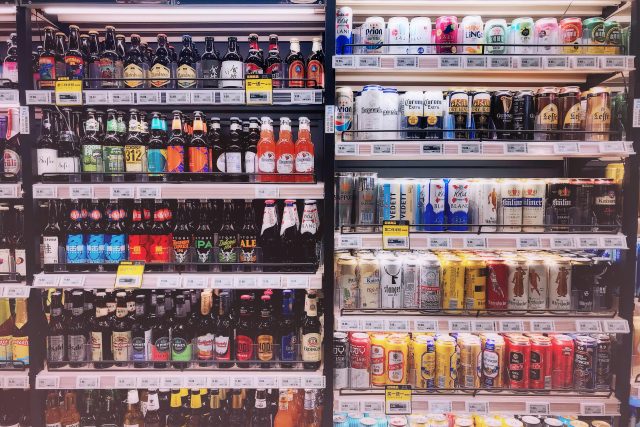
For nearly two decades, major brewers have followed the same playbook of raising prices annually, leaning on premiumisation and letting brand equity do the rest. However, according to Opsahl, 2026 is the year that model is beginning to collapse and brand owners that recognise it early are now the ones pulling ahead.
Recalibrating beer’s shelf space
This standpoint is based on the fact that, in his assessment, retailers are recalibrating shelf space toward volume-driving brands over margin-protecting ones.
Speaking to the drinks business about what is driving this reset and how things got to this stage, Opsahl said that the reasons things are shifting is due to the fact that for many years beer retail has effectively been “affordability and innovation in a stale space dominated by incumbents” and pointed out that people want and expect more, because “consumers are looking for new offerings while also focusing on better bang for their buck”.
With this in mind, Opsahl insisted that retailers and buyers are adapting how they think about beer sales and are also making changes to the way they make stocking decisions.
Retailers are changing their strategy
“The large retailers are changing the way they think about their beer line-up,” he tells db and explained that they have needed to, because the model has stopped delivering sales.
Opsahl said: “The reason is that they have effectively kept the same brands and same strategy for over a decade and the declines are abundant. The definition of insanity is doing the same thing over and over again expecting things to change. The retailers that are making significant bets on new brands and changing their strategy are the ones that will come out on top.”
He pointed out that in the US, the sector saw dollar beer sales fall 2.9% in 2025 and volumes are at a 37-year low. Added to this, “above-premium SKUs now account for roughly 56% of the category, up from around 10% three decades ago”.
Plus, consumers, squeezed by inflation, are shifting cultural attitudes toward alcohol and re-examining what beer is worth to them.
Partner Content
Although Opsahl admitted that “price is certainly a focus” for retailers, more importantly the changes to beer stocking decisions are already in motion.
This means that, for craft brewers looking for ways to work with a challenging economic climate and steal market share from big beer companies, his advice is to “think differently and innovate”.
‘Regional success’ offers the ‘most opportunity’
According to Opsahl: “The craft category is not likely to recover anytime soon. If brick-and-mortar profit and loss works, then double down on it.”
Another tip he divulged was to recommend that “regional success is where the most opportunity is, especially on innovation”.
Opsahl’s Tivoli, which owns the beer brand Outlaw Light, has seen successes of late and this has occurred at a time when light beers are continuing to capture consumer attention.
Outlaw Light closed 2025 as the fastest-growing independent light beer in the US, exiting the year at a 1 million-case-equivalent annual run rate with placements at key retailers across all 50 states. Tivoli has projected chain placements would “grow from roughly 6,750 in 2025 to more than 32,500 in 2026, backed by a US$25 million capital raise”.
Light beer can answer many needs
Opsahl pointed out that there are opportunities for independent brewers in the light beer space because “traditionally, light beer has been both affordable and sessionable —- driving moderation”.
He highlighted how “the success of Bud Light, Coors Light, Busch Light and many others have been driven by these factors” but also identified how, despite this, “in recent years, affordability has been abandoned and the marketing no longer connects to the consumer” which is why all of these changes are taking place.
Related news
Have you tried the world's first high fibre beer?
Carlsberg emerges as World Cup winner despite smaller than expected beer boost
Sober raves, booze-free beer: why South Koreans are shunning alcohol


