



Sober raves, booze-free beer: why South Koreans are shunning alcohol
South Korea’s market for non-alcoholic beer has flourished over the past three years, with spending rising by almost a third. db looks into why Koreans are increasingly switching alcohol for low-and-no alternatives, and how the trend is shaping social occasions.
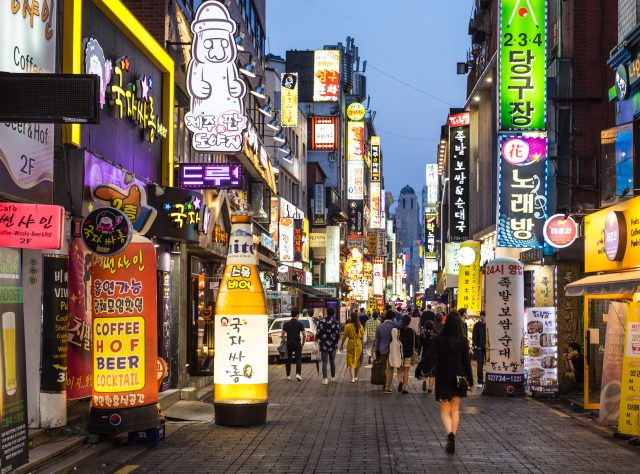
South Koreans are increasingly cutting back on alcohol, with demand for non-alcoholic beer soaring, sober raves cropping up in major cities and sales of the country’s signature spirit, soju, continuing to fall.
According to market research firm Embrain, with numbers crunched by The Asia Business Daily, estimated consumer spending on non-alcoholic beer reached 73.3bn won (£39m) in the 12 months to May 2026. That is up 32.6% from an estimated 55.3bn won (£27.7m) recorded between June 2022 and May 2023.
The country’s two biggest beer brands, Hite and Cass, have also emerged as top dogs in the low and no segment, reflecting their dominant positions in South Korea’s broader beer market, and desire to tap into the burgeoning thirst for booze-free options.
What’s more, consumer buying patterns have also shifted. Three years ago, women accounted for the larger share of spending on non-alcoholic beer, with estimated purchases of 31.1bn won compared with 24.2bn won by men.
But today, that trend has flipped on its head. In the latest 12-month period, estimated spending by men reached 40bn won (£19.9m), overtaking women’s spending of 33.3bn won (£16.68m).
Tackling soju’s slipping sales
It is not only beer that is becoming lighter.
Shipments of diluted soju, South Korea’s best-known spirit, fell by 13.4% between 2019 and 2025, according to the National Tax Service. Volumes declined from 916,000 kilolitres to 793,000 kilolitres over the six-year period.
Although shipments briefly recovered in 2022 as Covid restrictions eased, rising 4.3% year-on-year to 862,000 kilolitres, the broader downward trend has continued.
Manufacturers have responded by lowering alcohol content. Earlier this year, Lotte Chilsung Beverage reduced the alcohol by volume (ABV) of its Saero soju from 16% to 15.7%, after cutting its flagship Chum-Churum brand to 16% last year. Rival HiteJinro also lowered the ABV of Jinro Is Back and Chamisul Fresh to 15.7%.
Alcohol levels in the 15% range have “now become the market mainstream”, according to The Asia Business Daily.
Partner Content

New ways to socialise
The shift towards lighter drinking is also transforming how South Koreans spend their leisure time. Alcohol-free morning raves, including events organised by Budweiser Korea, have become increasingly popular, reflecting growing interest in sober-curious lifestyles.
The movement has reached the country’s fine dining scene, too. Australian alcohol-free drinks producer Non entered the South Korean market last year, securing listings at several Michelin-starred restaurants and luxury hotels in Seoul, including the Four Seasons Hotel, showing that booze-free socialising is influencing both casual and formal occasions.
What’s behind the shift in drinking habits?
So why are people drinking less? Experts put the decline in alcohol consumption down to several factors, namely, changing workplace culture, economic pressures and generational attitudes.
For decades, many office workers were expected to attend hoesik – company dinners that often involved multiple rounds of drinking late into the night. But these gatherings have become less common as employers scale back after-work drinking culture and younger employees increasingly reject the expectation to participate.
Women entering the workforce in greater numbers have also played a role, with many opting out of drinking-centred corporate socialising.
Furthermore, higher interest rates and persistent inflation have further put people off spending on nights out.
The increasingly alcohol-free Gen Z
Official health data also points to a broader shift. According to the Korea Disease Control and Prevention Agency, the median monthly binge drinking rate across South Korea’s 17 provinces and major cities fell to 33.8% last year.
The rate had risen from 31.7% in 2021 to 35.8% in 2023 but has since declined for two consecutive years.
The change is most pronounced among young people in their 20s. Monthly drinking rates for this age group fell across almost the entire country, with Sejong recording one of the steepest declines, dropping from 68.3% to 50.5%.
The trend is also evident around university campuses.
According to South Korean outlet The Chosun, the traditional peak drinking seasons in March and September have become less significant, while rituals such as bowl-drinking ceremonies, in which alcohol is poured into a large bowl and shared among a group, have largely vanished.
Related news
Tourism and gastronomy stamp Chinese whisky on the global map
Are rare spirits back in favour in Hong Kong's secondary market?


