



Why gin is being served with afternoon tea
Gin being served with afternoon tea has become an upscale alcoholic twist on the ritual. db finds out more about the trend.
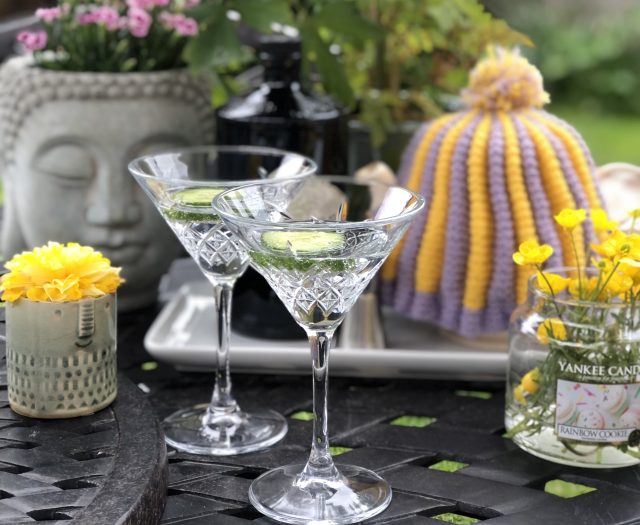
Both gin and tea have long histories as traditional hosting centrepieces for gatherings. They also share botanical roots and a history as social lubricants, but will we see more of the pairing? According to the Gin Guild, the partnership is here to stay.
Occasion, botanicals, presentation
Speaking to the drinks business, The Gin Guild director general Pal Gleed said: “The pairing of gin and afternoon tea feels entirely natural because both are deeply rooted in British food and drink culture. Afternoon tea celebrates a sense of occasion, delicate flavours, fragrant botanicals and careful presentation – qualities that are equally at the heart of a well-made gin.”
Gleed explained to db that “many classic gin botanicals, such as juniper, citrus peel, coriander seed and floral ingredients, complement the aromas found in fine teas, preserves and traditional pastries. Whether enjoyed as a classic gin and tonic or in a cocktail, gin can enhance rather than overpower the experience”.
Elegance
The ritual of serving gins alongside teas could also be continuing to thrive right now because “there’s also an element of theatre,” said Gleed and pointed out that “afternoon tea has always been about taking time to enjoy good company in elegant surroundings, and gin has long been associated with hospitality and celebration”.
Describing why the union of gin and afternoon tea shows promise, Eden Mill Distillery, based in Scotland, reiterated how the two offer a lot of versatility and complementary flavours.
Eden Mill CEO Steven Kersley told db: “Gin remains one of the most versatile spirits when it comes to food pairing, and afternoon tea is a perfect example. The freshness of citrus and botanicals cuts through rich pastries while complementing fruit and floral flavours, making it an ideal match for a modern afternoon tea.”
Afternoon Tea Week
Eden Mill recently launched Summer in St Andrews, a limited edition coastal Scottish gin inspired by the flavours of the distillery’s hometown during the sunny months. Bottled at 40% ABV, the gin is designed for long afternoons by the sea: poured long with tonic and a lemon wheel, or spritzed up with soda, fizz and lemon.
Partner Content


Explaining more, Eden Mill senior brand manager Hamish Maclean said: “Local raspberries and strawberries from Tarvit Farm in Cupar are bolstered by heady rhubarb and a sharp kick of lemon.”
The launch will be celebrated at the distillery during Afternoon Tea Week (10-16 August) with a Summer Gin Afternoon Tea service on offer throughout the month of August.
Additionally, cakes and preserves will be paired with the gin which will be available as a Bramble serve and will be poured tableside from a teapot. Each of the tickets will be priced at £35 per person and will be available via the distillery website.
Similarly, the Warwickshire Gin Company, based in Leamington Spa, also offers an “Afternoon G&T” experience featuring a welcome G&T, traditional afternoon tea, and a local distillery tour. Also, Denbies Wine Estate in Surrey hosts seasonal “Gin in the Vines” events combining a local gin tasting with a sparkling afternoon tea overlooking the vineyard. Plus, venues such as those owned by multiple operator Future Inns, which has sites based in Cardiff and Plymouth, feature discounted G&T or cocktail afternoon tea options priced from £25.50 per person during August too.
Quintessentially British
According to a spokesperson from Pernod Ricard-owned Beefeater Gin, the pairing works well because tea and gin both “share botanical roots, and their flavour profiles naturally complement each other”. This is because “both beverages feature herbal, floral, and piney elements that blend smoothly without clashing”.
“Bergamot in Earl Grey tea brings out the bright citrus peel notes found in many gins” and “the pine-like punch of juniper in gin cuts through the rich, buttery textures of clotted cream and pastries” while “chamomile or floral tea blends match the delicate, sweet side of lighter craft gins,” said the spokesperson.
Gleed also told db that the trend will continue because “it’s a pairing that feels quintessentially British while continuing to evolve in modern hotels, bars and restaurants” a move that is both retaining its historical roots, while also amplifying it as a serve that still offers a sense of celebration now and for the future.
Related news
Spirits industry responds to US lifting tariffs on Scotch


