



Tequila growth trend fuelled by novelty, exoticism, provenance – and millennials
Tequila is outgrowing its reputation as a party drink and becoming a serious, collectible category, one expert has told the drinks business.
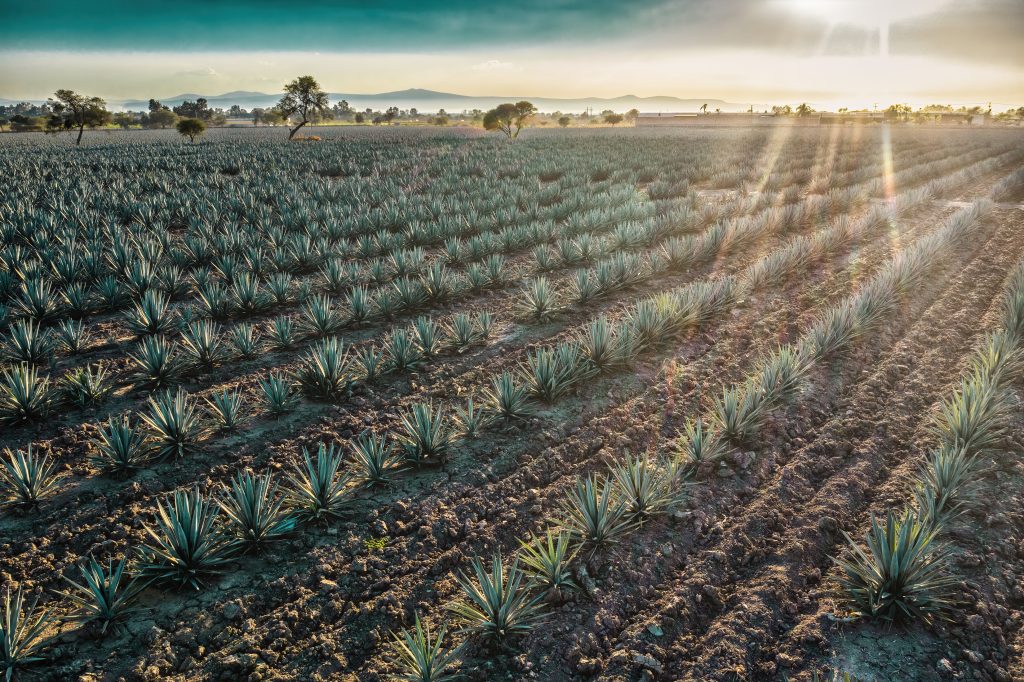
The appeal, Callum Woodcock of WineFi told the drinks business, was coming from a combination of “several forces working together”. This included “novelty and exoticism, premiumisation, a new appreciation of Mexican craftsmanship and provenance, cocktail culture and celebrity-backed brands drawing consumers into the category, and a recognition that aged tequila can match any mature spirit for complexity,” he said.
Although the growth of the Tequila category has slowed in recent years, db’s sister publication the spirits business recently reported that sales of ultra-premium was the tier in strongest growth, with volumes up 7% last year capping a 31% CAGR gain since 2019. Its share of the market has also grown from 6% in 2019 to 17% last year, sb reported and it is it expected to reach a 21% volume CAGR rise by 2030.
According to Woodcock, Tequila investment marks a big opportunity for investors, being “where whisky was 15 years ago”.
“The parallels with whisky are striking,” he told the drinks business. “Ageing stock that appreciates with time, a production cycle that can’t respond quickly to demand, and an international buyer base that’s still growing, especially at the top end.”
However, whisky cask investment has earned a bad reputation in recent years – an article in Forbes last year warning about “a stream of misinformation and a lack of transparent data” around the “high-risk and unregulated sector”.
So how can tequila barrel investment avoid the kind of problems that have beset whisky barrel investment, db asked Woodcock.
“The problems in whisky cask investment have typically been to do with the intermediary rather than the asset themselves,” he said, pointing to “avoidable” failures of fiduciary duty.
Partner Content



“In the worst instances, casks were sold that didn’t exist, the same casks were sold twice, valuations were inflated, and often ownership structures left investors with a receipt rather than a title. These are failures of fiduciary duty and are avoidable.”
WineFi, which this month announced it was launched a Tequila barrel fund comprising 50 barrels of premium Tequila that are being held in Jalisco, Mexico, as they mature, pointed out that it was “applying the same rigour that we have to our wine business to the Tequila space”.
“[This] is largely to ensure that collectors can verify the status of their assets with a third-party rather than simply with WineFi,” he said.
Millennial momentum
The fund, he added, aims to give “the sophisticated investors of any age a straightforward way to gain exposure to the category” – however the biggest growth is coming from younger drinkers, millennials in particular.
This makes the trend “especially compelling”, given that it is a generation still powering, and one which hasn’t yet reached its peak earning years, he pointed out.
The rate of return, he argues, is somewhere in the region of 15–35%, “based on verified transaction records provided by third parties, such as barrel purchases and subsequent sales of comparable aged tequila assets.
However, these are historic returns from a market that’s still maturing, he pointed out, and obviously past performance is not a guide to future returns.
“Second, the range is wide precisely because outcomes vary with barrel quality, age profile and exit timing. It is ultimately a risk asset, subject to supply and demand, and collectors should ensure that they are comfortable with the liquidity profile prior to entering the market.”
Related news
Is a new boom for collectible Tequila on the cards?


