



US breweries reignite trend for mid-strength beer
Breweries across the US have started to rebuild their adoration for 4-5% ABV beer in a bid to help distinguish them from light and non-alcoholic brews.
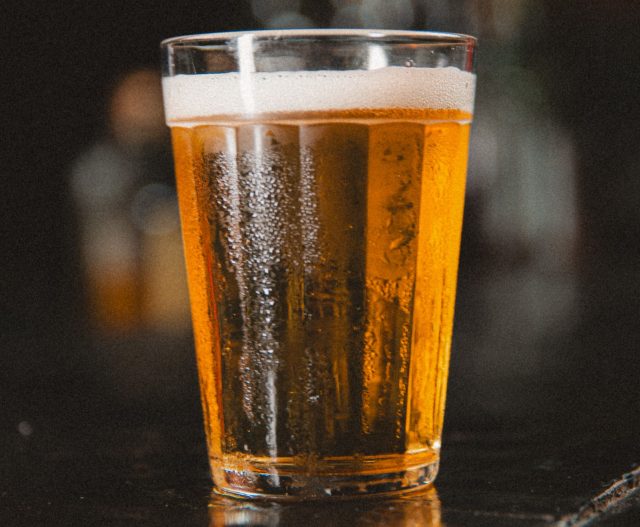
Recognising how beer styles can be caught in cyclical movements, research from Joshua M. Bernstein pinpointed in a SevenFiftyDaily report that around 15 years ago many craft brewers across the US “went low while others went high”.
According to Bernstein, a shift happened when “instead of 7% or 8% ABV” breweries like Founder’s All Day IPA came in at the 4.7% ABV mark in a move that nudged IPAs across America into being considered as a more “easy-going afternoon drink”.
In the US in particular, he suggested that “All Day created the session IPA category” and still this continues to be the brewery’s best-selling beer. He also highlighted how this step change led to many variants.
Speaking about the renewed interest in lower alcohol beer styles, Mahou, chief marketing officer Chuck Buckingham admitted that the “pendulum feels like it’s swinging even further now”.
Inspired by other countries
For instance, as Bernstein pointed out, the style of mid-strength beers in the US has essentially taken inspiration from other countries. For example, they are “foundational to drinking culture in the UK, Scandinavia, and Australia” because their “governments incentivise lower-alcohol beer production by levying higher taxes on stronger beers”. This can be seen, Bernstein noted by Australia’s bestselling beer being “Great Northern Super Crisp, a 3.5% ABV lager, while moderate milds and bitters are British pub staples”.
Partner Content

He noted in his research that, back in the 2010s, US craft brewers “embraced extremes” both in terms of flavour as well as alcohol and used this as “a market differentiator and driver of attention and sales”.
One view mooted is that the category targets drinkers looking to cut back but not entirely cut out alcohol. This is considered to be the case since mid-strength Pilsners and IPAs made in the US still “deliver more flavour and less alcohol than light lagers,” said Bernstein.
‘The session IPA category faltered’
He explained that the taste test for mid-strength beer was to offer up what beers released before these times have lacked. As Bernstein asserted: “The session IPA category faltered, in part, because too many entrants tasted watery and unbalanced, like bad diet IPAs. To forge a successful new category, breweries are taking pains to avoid early flavourful missteps”.
The burning question, however, appears to be ‘can brewers make mid-strength stick?’ According to many, driving interest requires education. For instance, Caroline Foulk who launched Beer Girl Brewing in 2024 at Laguna Beach in California brews two gluten-reduced, 3.5% ABV lagers. Foulk said: “When I say ‘mid-strength,’ it can fall on deaf ears,” but suggested that putting beer in front of people is the best way to gain interest. She added: “Getting out in the market has been the best way to win over consumers.”
‘Like building craft beer again’
Last spring, F.X. Matt Brewing based in Utica, New York launched Saranac Weekend Warrior a 3% ABV Pilsner and has since added a Weekend Warrior hazy IPA to the packs of beer which are now stocked in a new low-alcohol section at Wegmans grocery stores. Speaking about the experience, F.X. president Fred Matt explained: “It’s almost like building craft beer again. It’s going to be sample, sample, sample, educate, educate, educate.”
As Bernstein highlighted, what we have seen happen with the no and low category needs to be noted, because every new wave creates a ripple effect and, as such, “non-alcoholic beer paved the path for mid-strength’s opportunity”.
Related news
Heineken names Rafa Oliveira as CEO


