



The Italian region selling rosé to the French
Maremma is finding success with its fresh coastal rosé in Provence, with one producer telling db it sold 10,000 bottles to the south of France in the last year as consumers look beyond their own back yard for refreshing pink wines. Sarah Neish reports.
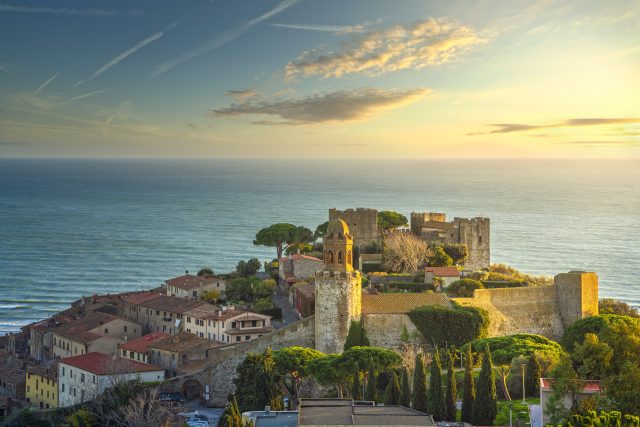
Provence may long have been thought of as the benchmark for beautifully pale, fresh, premium rosé wines, but it has stiff competition coming from Italy, with France’s domestic consumers increasingly seeking out pink wines from overseas.
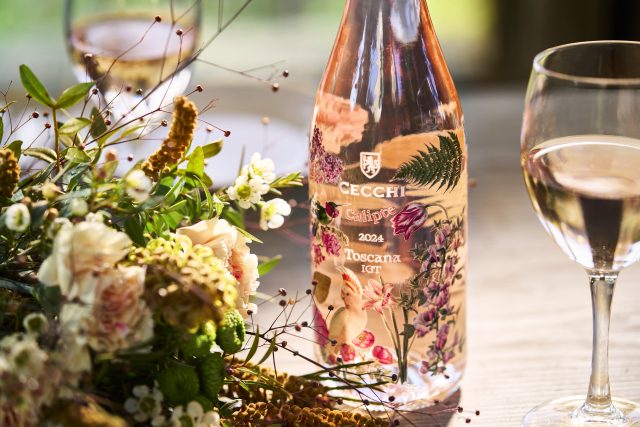
Speaking to the drinks business, Francesco Vitulli, export director for Italian producer Famiglia Cecchi, said: “We sold 10,000 bottles of our Calipte Toscana IGT rosé to the south of France between April 2025 and April 2026, which is quite amazing!”
The bottles mainly went to French independent retailers, with the sales numbers representing about 10% of the total annual production (100,000 bottles) for Calipte, which is produced from 100% Sangiovese and fermented in stainless steel at Cecchi’s Valle della Rose estate in Maremma.
Grand designs
“We’ve only been making this wine for two years,” said Asia Guercini, European export manager for Cecchi, who told db that investing in an expensive bottle design had “paid off”.
The printed glass bottle adorned with parrots, ferns and florals was designed for maximum shelf stand-out and involved a significant outlay at the start.
“The Calipte bottle costs about 80% more for us to buy than the bottle for Litorale, our other rosé,” said Guercini. “It’s expensive, but worth it.”
Somewhat ironically, the bottle supplier is from France.
Why is Maremma resonating so strongly with French consumers? According to Guercini, Maremma wines tend to be “playful and vibrant.”
“Maremma offers the chance to be more creative and to try more things,” she said. “Of course, we have tradition here but we express it in a more modern way.”
The meteoric rise of Maremma
There have been excited whispers among the trade concerning Maremma for at least the last few years.
Indeed, Lamberto Frescobaldi told db he believes the region could become Italy’s “equivalent to Provence” for fine pink wines. Frescobaldi, who owns Tenuta Ammiraglia in the region, explained that “the Maremma Vermentino train is already running fast” and that rosé is primed “to jump on it”.
Partner Content
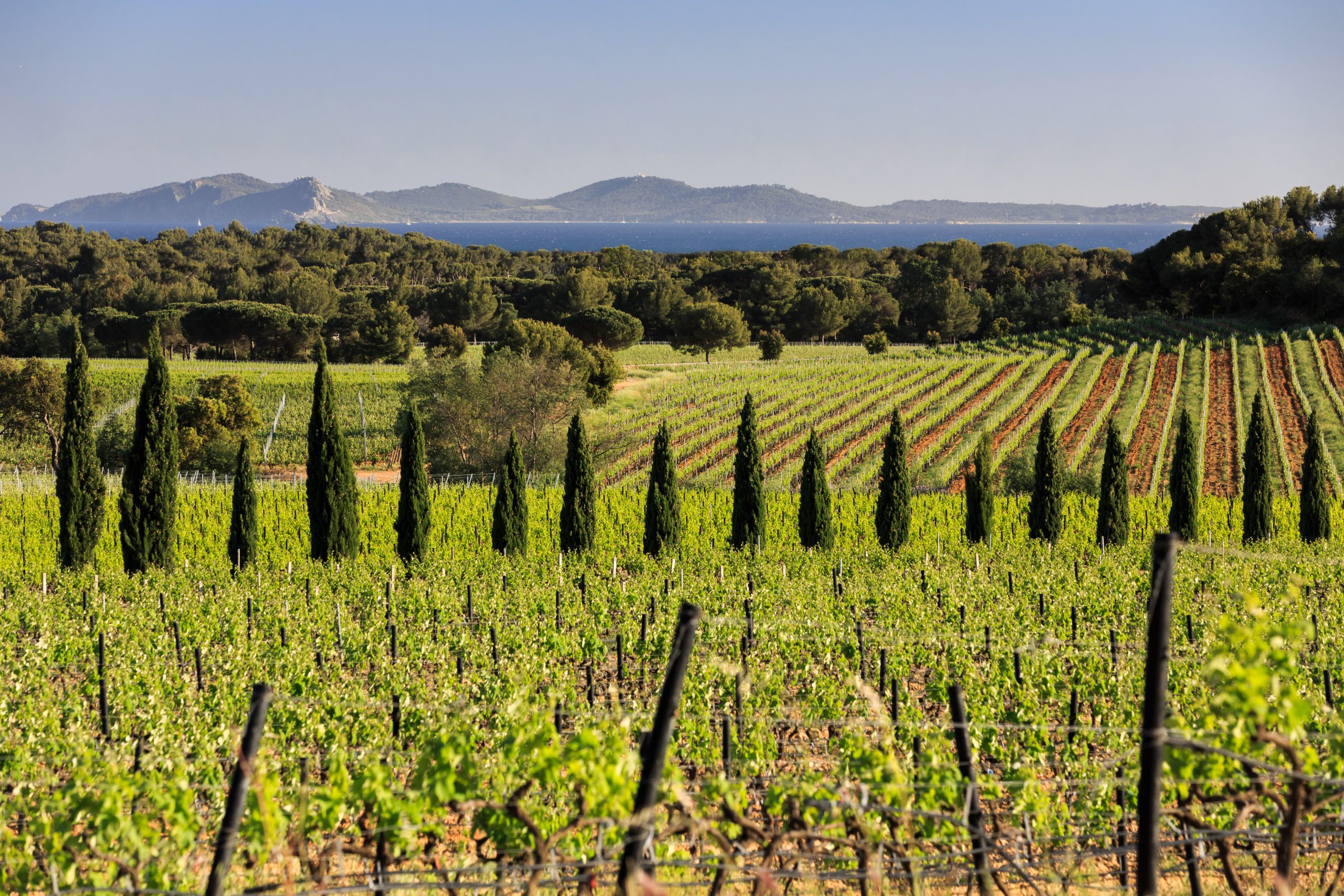
Despite this, vineyard land remains relatively affordable.
“In [fellow Tuscan region] Montalcino you would pay about €1 million per hectare, and more than that in the best places. In Maremma I would be surprised if it was more than €50,000 per hectare,” Cecchi’s Vitulli told db.
And even more unusual, Maremma is, for now, pretty much Italian-owned, with wines made using Italian expertise. “It has so far avoided massive international investment,” said Vitulli.
What’s interesting, however, is that Maremma is beginning to draw top wine talent from all over Italy. In Cecchi’s case, the director of Val Delle Rose is Sicilian, while its winemaker is from Milan, proof that the region is capable of luring skilled professionals to its shores.
Cecchi was one of the first producers to move into Maremma in 1996, starting out there with just 25ha (the company’s Valle della Rose estate now owns about 105ha) and harvesting its first wines in the region in 2012. One of its vineyards sits just 5km from the sea.
“All the big families of Chianti started to invest in Maremma after us,” said Guercini.
Swamp past
Maremma’s romantic façade has come a long way from its swampy beginnings.
The region’s soils are extremely sandy and naturally retain water, with much of the area submerged under swamp and considered “uninhabitable” at the start of the 20th Century, said Guercini. Maremma was first “drained” in the 15th Century, and then again by Mussolini in the 1930s when he got at inkling as to the region’s potential.
For a while Maremma was used mainly as a hunting mecca for local noble families, before vineyards were planted in the 1990s, a period which incidentally is considered a ‘watershed’ decade for Provence wine, marking the French region’s transition from rustic, local production to modern, lifestyle-driven luxury branding.
Now, it seems that Maremma might just be catching up.
Related news
Why electrolytes have become wine's newest additive
Bordeaux marks milestones with commemorative bottles
#WeekInPictures: the Queen visits Plumpton as craft beer and rum move into new territory


