



Austria cracks the Gen Z code
How does the wine world draw in younger consumers? Maybe Austria’s dynamic winemaking scene has some of the answers, writes Gabriel Stone.
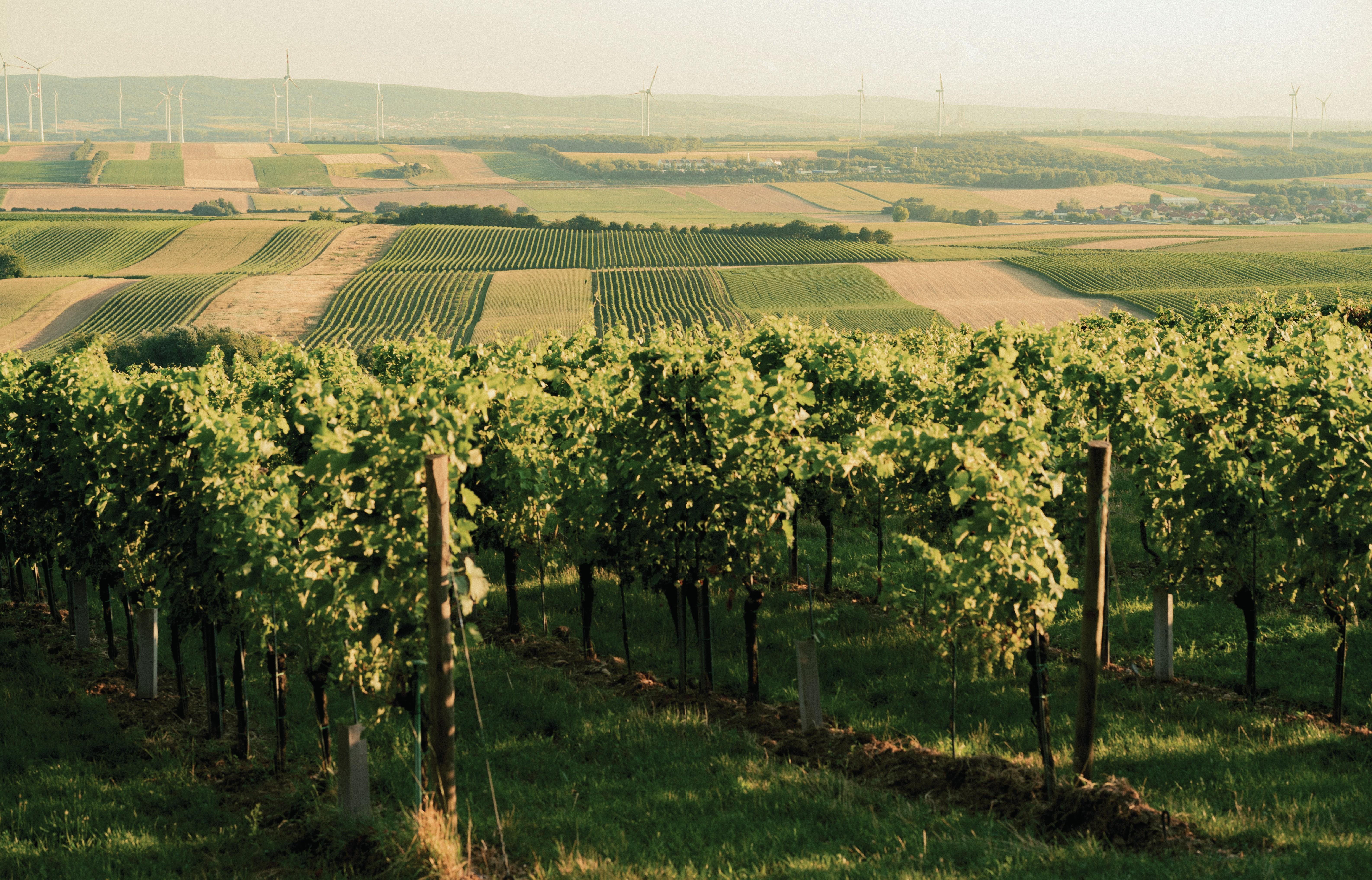
What happens when the city of Schubert and Strauss collides with the Eurovision Song Contest? It’s quite a party, actually. Add in Austria’s biennial VieVinum wine fair over the same weekend and you have an irresistible metaphor for this country’s ability to engage a younger generation without undermining its reputation as a source of virtuoso vinous compositions.
As producers worldwide are realising, it’s no longer possible to take for granted the idea that the younger generation will eventually gravitate towards wine. A category brimming with terminology, tradition and alcohol can feel at odds with our increasingly informal, novelty-chasing, health-conscious world. Yet while this challenge is hardly unique to Austria, the country does boast several factors that together make it particularly well-placed to connect with Gen Z.
Major hub of young people
“An hour’s drive from Vienna we have 5,000 wineries,” says Chris Yorke, CEO of the Austrian Wine Marketing Board. This proximity doesn’t just make it easy to take a wine-centric day trip, but also for producers to access a major hub of young people on their own turf.
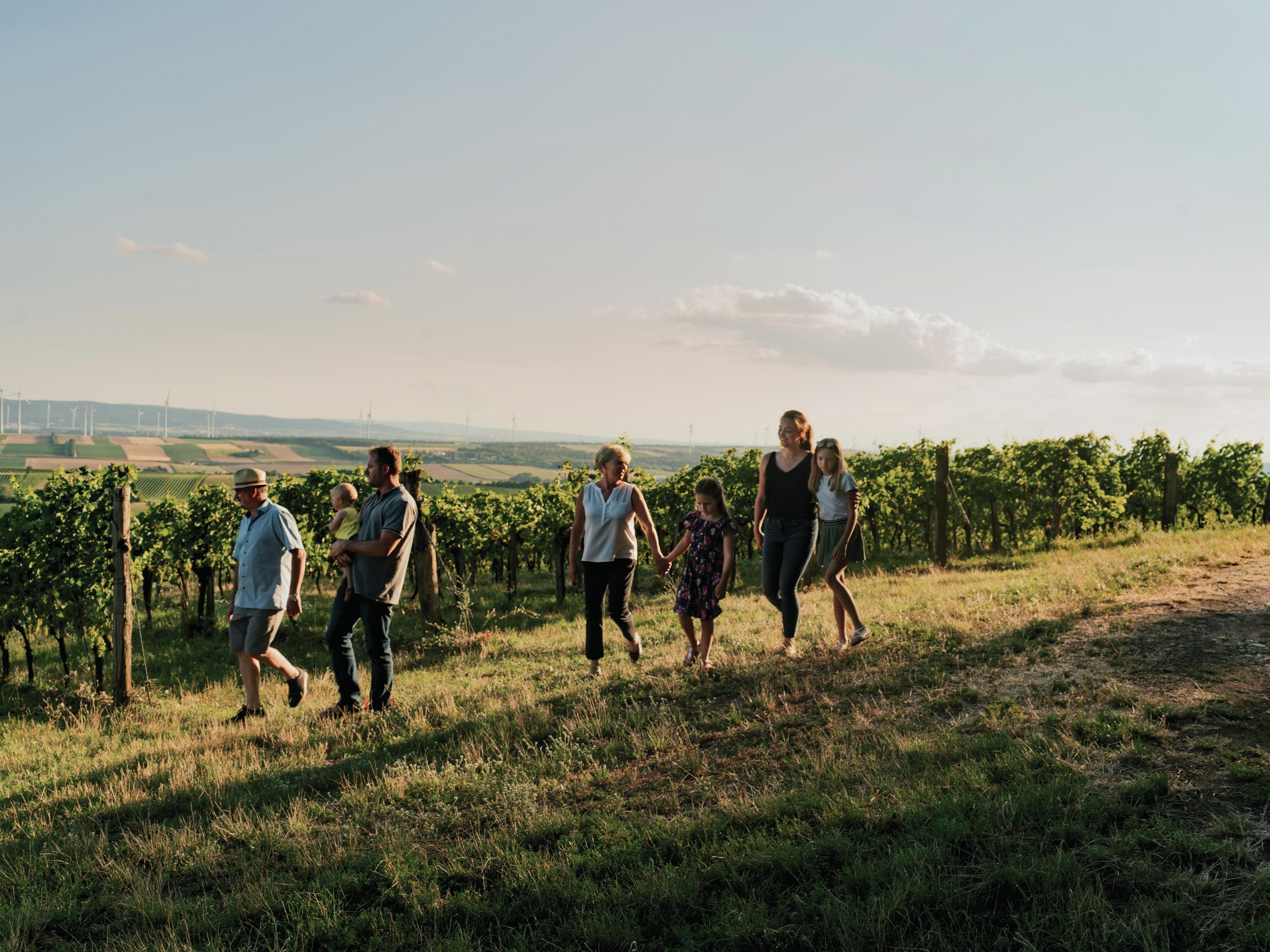
What’s more, with 95% of Austrian wineries being family-run and 25% of the country’s vineyard area being certified organic, there’s an opportunity to tell precisely the sort of artisanal, environmentally conscious stories that the younger generation wants to hear.
Perhaps most significant of all is the fact that so many Austrian winemakers are the same vintage as the customers they’re trying to attract.
“The younger generation quite often takes over in their mid- to late 20s, which is quite unheard of in other countries,” observes Yorke. “There definitely is something in the culture of Austria that the family is brought into it; the kids take the lead.”
Dynamic young winemakers
These dynamic young winemakers have been natural participants in Austrian Wine’s new “RWR” (rot, weiss, rosé) marketing campaign, a jargon-free, informal, experience-led initiative that launched at the end of last year. Although domestic in focus, RWR is also helping to inform Austrian Wine’s approach in export markets.
“We over-skew with young consumers overseas,” remarks Yorke. “Fifteen to 20 percent of our exports are natural wines.”
The generic body works closely with Karakterre, a fair that straddles New York and the Austrian city of Eisenstadt, with a focus on low-intervention wines from Central Europe. In addition, notes Yorke: “In Montreal, Toronto, Tokyo, London there’s a real scene around Austrian wine with a younger crowd.”
Hipster nirvana
One London-based Austrian specialist at the heart of this youth appeal is Newcomer Wines. The importer’s spiritual home is a wine bar, shop and garden in the lively, hipster Nirvana of Dalston.
“Gen Z are coming into an age where they’re very aware of their spending power and how they choose to use it,” says Giselle Abcarian, communications and virtual experience manager at Newcomer Wines. “We see a lot of interest from this group in supporting small businesses like ours and small-production, thoughtful growers like the ones we support in our portfolio.”
Describing the company’s Gen Z customers as “curious, social and very open to discovery”, she highlights Austria as a “great fit” thanks to the fact that the country “still carries a sense of discovery for many new wine drinkers”.
Abcarian picks out examples such as the skin-contact Intergalactic white from Rennersistas or the fridge-friendly red Puszta Libre from natural wine figurehead Claus Preisinger as bottles that resonate particularly well with this type of customer.
“However,” she adds, “these growers also offer more serious, site-specific wines, so once drinkers become fans, they can explore a more serious, higher-end range from the same growers and regions.”
Funky labels
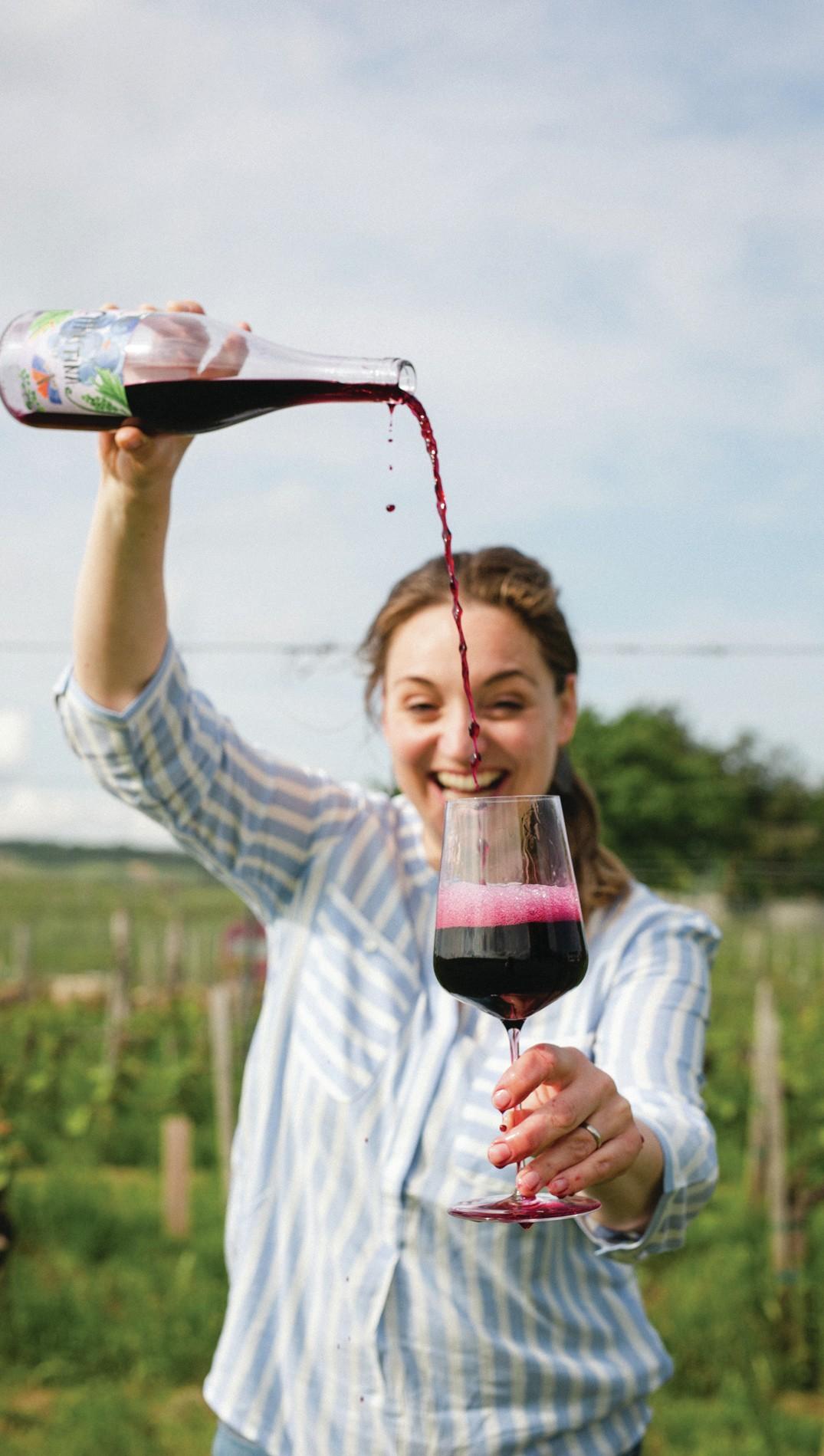
This ability to offer funky labels and simple, summer afternoon appeal under the same roof as sophisticated single-vineyard wines is remarkably common among Austrian producers, where it’s not unusual for at least two generations to work in tandem. A prime example is Weingut Netzl in Carnuntum, which is run by Franz Netzl in partnership with his daughter Christina (pictured above). The estate is best known for its age-worthy, single-vineyard Zweigelt, whether playing the lead role in a blend or allowed to shine on its own.
But alongside these DAC wines with their close focus on origin sits the Christina range, which is far less traditional both in presentation and taste. What started as a project in 2015 joined the commercial portfolio in 2018 and now features six wines, each with an eye-catching, nature-inspired label.
Catch them with uncomplicated
Christina Netzl presents the range which bears her name as “unfiltered, easy-going, more fruit-driven”, and designed as an accessible introduction to the estate, particularly for younger audiences. “We need to catch them with something uncomplicated to start with,” she remarks. “When it’s too complicated, they are a little bit shy, but when they get used to the origins and grapes, then you can show them the single-vineyard wines.”
This crossover appeal is starting to be reflected by the producer’s importers in countries such as Finland and Japan, both of which initially shipped only the Christina range. That, however, has now changed. “In the last year, there has been a development and people are starting to import the origin wines too,” reports Netzl.
Condescension rather than aspiration?
There is always a danger of conflating accessibility with inferior quality, or using language that reeks of condescension rather than aspiration. Again, getting this right seems to come naturally for Austrians.
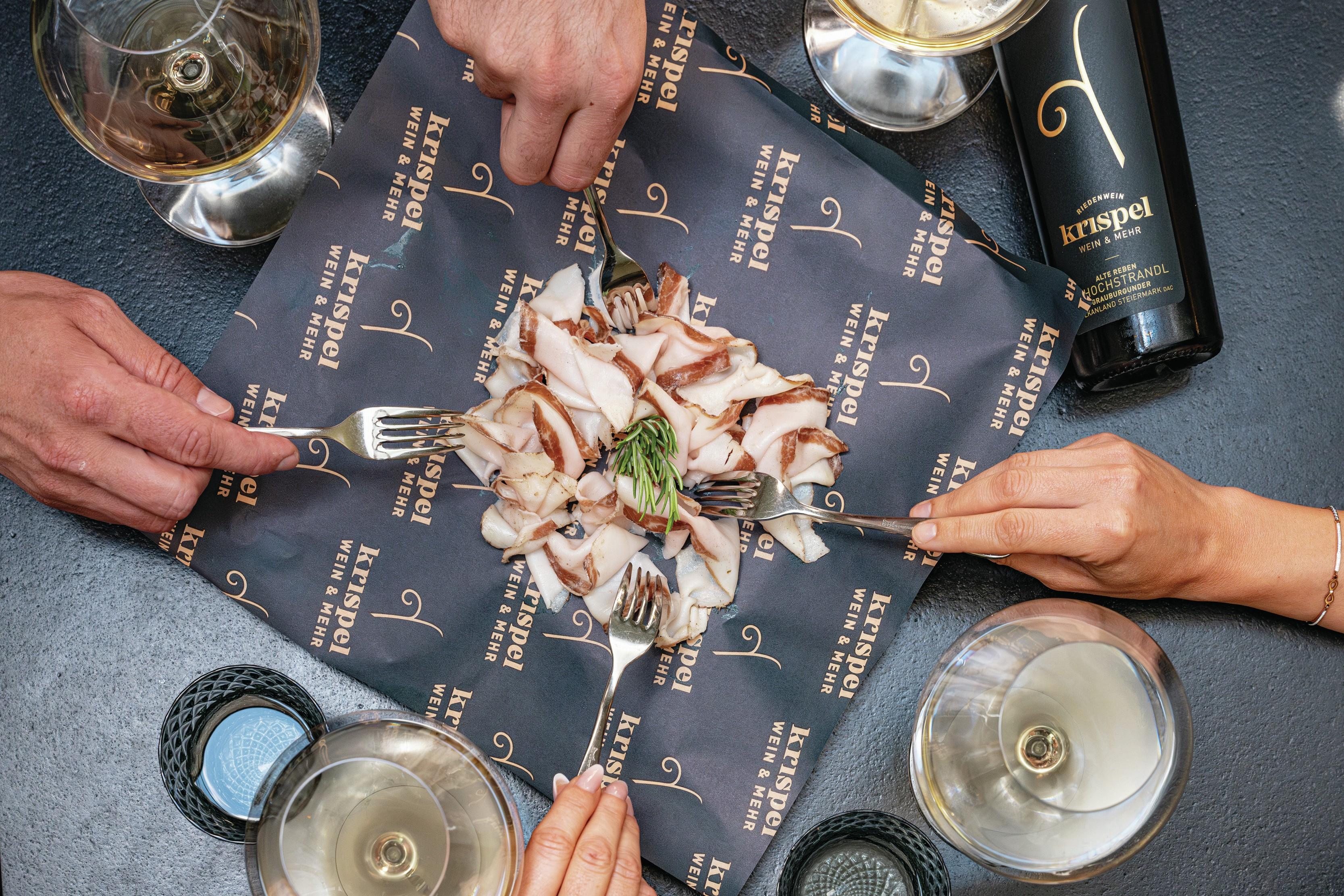
“The way we want to get young people onboard is with good quality at a reasonable price at entry level,” outlines Florian Schütky, head of sales at Weingut Krispel in Vulkan Steiermark. Alongside this producer’s single-vineyard portfolio of smoky, powerful white wines shaped by their volcanic soil sits an entry-level tier that celebrates the varietal character of its Sauvignon Blanc, Pinot Blanc and Pinot Gris specialisms.
“These wines are fresh, fruity, easy-drinking – but complex enough that professionals like them,” he suggests.
Visitors to the estate, which includes a restaurant and “woolly pig” farm, can take a key to explore the winery for themselves. “They want events, special things, then they’re ready to pay a little more,” sums up Schütky in discussing this younger generation.
Gen Z appeal
It’s difficult to think of someone who encapsulates Austrian wine’s Gen Z appeal better than Katharina Gessl. Armed with degrees in Viticulture & Oenology, International Wine Business and Content & Marketing Strategy, in 2022 she returned home to her fifth-generation family winery in the Weinviertel village of Zellerndorf and persuaded her parents to let her take a different approach. Although working organically since 2009, “they had never tasted wines from people like Claus Preisinger”, Gessl recalls. “I wanted to involve them in this process.”
To start, she took over just 2.5 hectares of the family’s 20ha of vineyards. Four years later, that has extended to 9ha. “If I had taken over it all at once, I would have had no idea about why this vineyard was different to another,” explains Gessl.
Despite the great knowledge and care that goes into her wines, they wear it lightly. Gessl quickly realised that she didn’t want to tell the same terroir-based stories as other winemakers. Instead, each of her wines carries an engaging dialect name – “Spompanadeln” (playground), “Hawara” (friend) or “Schlinger” (rascal) – which opens up an alternative, more inclusive narrative. The wines also come with a recommended occasion, whether “at lunch with the neighbours” or “with your lover”, as well as straightforward pairing suggestions such as “schnitzel” or, simplicity itself, “bread and butter”.
As a Gen Z-er herself, Gessl has a clear view of the barriers that surround this drink. “I see friends in Vienna and abroad who are definitely interested in wine, but they’re always feeling that they can’t ask the sommelier for the wine list or go to a wine fair because they don’t know all these things,” she observes. “We are excluding so many people.” Instead of intimidation, she wants her wines to offer “an introductory hug”.
Forget tutored tastings or fine dining experiences too. Just as Gessl makes the sort of wine she enjoys drinking, so too she pours it in the sort of settings that she and her friends enjoy. Last year she teamed up with two of them to create Disco Schabernack, “a real party with good gastronomy and good music”. Using little more than the promotional power of Instagram, they enticed 550 people out to Zellerndorf for a blend of techno beats, decent food and plenty of pet nat.
The event’s success has attracted support from both Austrian Wine and the Austrian Tourist Board for a second edition at the end of June. It has also sparked collaborations that include an unashamedly sexy party at a Vienna brewery in partnership with radical chef collective Healthy Boy Band, and a pyjama party at hip hotel The Hoxton to see off Dry January.
“There were 700 people, chefs DJ-ing, all these cool places from Vienna were cooking there,” Gessl explains. Best of all? “It was at a hotel where people who are normally drinking cocktails were drinking wine.”
These events all prove that, if you get the offer right, Gen Z has a healthy disposable income to burn. “My pét nat is not cheap; it’s €25 per bottle ex-cellar,” observes Gessl. She’s experienced first-hand the frustrating preconceptions about her peer group. “I get it: we’re not spending €100 at a restaurant, at least in the beginning, but they’re not taking us seriously,” Gessl complains. A particular gripe is “when I’m out with my friends and they offer me a cheap rosé I don’t have any connection to”.
Looking to the future, Gessl plans to stay true to the sort of wine that she likes to drink, but accepts that her taste is evolving. “I’m drinking more styles now,” she remarks; “a classic Riesling or Grüner next to a more funky Grüner. If I’m getting more grown-up, then I want to make more grown-up wines.”
Innovative attitude
Even producers who could easily be weighed down by impressive heritage work hard to balance this with a forward-looking, innovative attitude. Weingut Esterházy may have over 300 years of history under its belt and a name redolent with Habsburg aristocracy, but this Burgenland producer’s Projekt range is at the heart of a wider mission to cater for 21st-century wine lovers.
A bright, morello cherry-flavoured Blaufränkisch is the result of carbonic maceration and wild yeast fermentation. It’s also an alternative take on Central Europe’s most noble red grape. “Blaufränkisch in its grandeur does need time,” observes Esterházy export manager Nina West. “It has lots of acidity, lots of tannin.”
As a mark of the team’s belief in the versatility of this variety, Blaufränkisch makes a second appearance in the Projekt portfolio, this time in pink pét nat form. Again, the style opens this grape up to a more relaxed type of occasion. As West notes: “Not everyone would open their single-vineyard Blaufränkisch for a casual barbecue with friends.”
The competition from other drinks – craft beer, cocktails, the booming non-alcoholic category – has never been fiercer. But Austria provides a confident template for how wine can wrest back that casual barbecue moment, the post-work drinks moment, the music festival moment. Whether that music is Beyoncé or Brahms, this is a country with wines to match.
Related news
Why everyone's talking about Austrian wine
Winding through Austria’s diverse Niederösterreich vineyards


