



Foam cocktails make a comeback in Asia’s bars
From Hong Kong to Osaka and Bangkok, bartenders are reviving foam-topped cocktails as drinkers seek more immersive, multisensory experiences. Once a hallmark of the molecular mixology boom, foam is being used to add visual drama to cocktails in an era where, once again, more is more. Rebecca Lo reports.
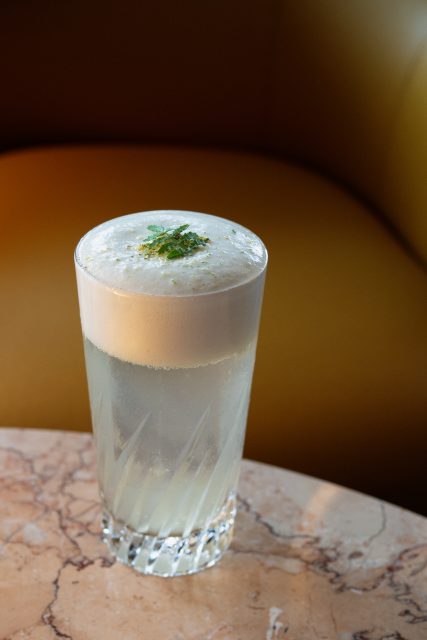
‘More is more’ is a philosophy that has returned to the global cocktail scene. After pandemic-induced lockdowns encouraged a period of quiet minimalism, maximalism is back with a bang.
This is reflected by data. According to the 2026 Bacardi Cocktail Trends Report, 76% of participants sought heightened, memorable experiences – translating to showstopping cocktails full of glamour and theatrics.
The April 2026 report issued by Food and Drink Technology titled Beyond Taste: How Multisensory Design is Redefining Food & Drink Experiences echoed that sentiment. It concluded that consumers today expect more than flavour alone, with visual and textural appeal increasingly taking centre stage.
In Asian bars, heightened drama has led to the resurgence of foam cocktails.
The foam cocktail revival
Hong Kong first fell in love with them in 2012 when Quinary co-owner Antonio Lai introduced his Earl Grey caviar martini. Vodka and Cointreau topped with Earl Grey tea-flavoured foam are underscored by pops of bergamot pearls, a shout out to the molecular gastronomy in vogue then.
“In Hong Kong, foam cocktails have a very institutional feel because of that martini—one of the city’s first big popular drink,” explained Ezra Star, the owner of Hong Kong’s Mostly Harmless.
“We then moved away from foam and now we’re bringing them back; it all goes in cycles. The Netflix bartender competition Drinks Masters helped quite a bit: after that show, I saw foam everywhere on every menu.”
Adding an element of theatre
Star had long been a fan of foam cocktails, as they can surprise and excite her guests while adding different drinking experiences from start to finish as the foam dissipates.
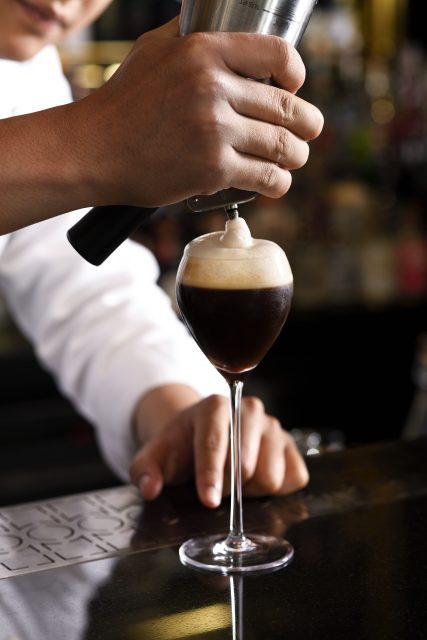
“I love adding the foam right in front of the guest so they have an almost directly visual experience of the drink’s presentation,” she noted. “For non-alcoholic drinks, different foaming techniques are really good for adding body to cocktails that would otherwise be a little thin due to the lack of alcohol.”
In Japan, foam cocktails are returning after first bursting onto the scene in the early 2010s alongside popular molecular techniques in the country.
It comes as Vegg White, a plant-based egg white alternative created for contemporary mixology, expands across the Asia-Pacific region, as previously reported by the drinks business.
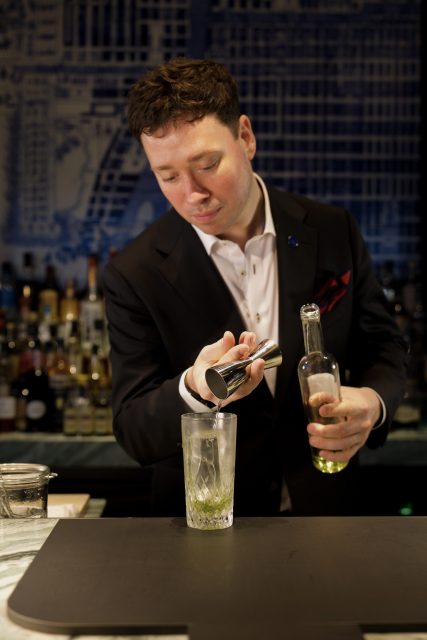
“I think the difference today is that bartenders are using foam more thoughtfully,” said Dominic Dijkstra, director of mixology with Waldorf Astoria Osaka. “Rather than being included because it is visually impressive, foam is now being used as a deliberate flavour and texture component.”
Lighter, luxurious pours
Dijkstra, like Star, felt that foam cocktails have evolved to become part of a contemporary bartender’s toolkit. For increasingly knowledgeable guests, a well-executed frothy drink can enhance aroma, texture, appearance and taste.
Partner Content


“Foam can make a cocktail feel lighter, creamier or more luxurious without necessarily increasing sweetness or richness,” Dijkstra suggested.
“From a creative perspective, foam lets mixologists separate flavours, create contrast between the liquid and the topping, or use the foam as an aromatic delivery system that changes how guests perceive the drink from the very first sip.”
In Bangkok, the Thai capital’s fascination with foam began nearly a decade ago. According to Dicky Hartono, beverage manager at Sindhorn Kempinski Hotel Bangkok’s Firefly Bar, the city’s thriving tourism industry means that its bar culture needs to continually offer unique flavours and experiences.
“With the boom in mango sticky rice cocktails, many bars have their own versions, often using foam variations to create the mouthfeel of the dessert in liquid form,” Hartono noted.
Balancing flavour and texture
Firefly’s current menu features Like That Ya, its edition of an espresso martini that showcases tequila and whisky while contrasting tea with coffee and caramel with Thai chilli paste. Inspired by the bar name’s duality of prey and predator in nature, the flavours are topped with Jameson Thai team foam made with gelatine and xanthan gum.
“The main technical challenge in creating foam cocktails is achieving a good, long-lasting foam texture and balancing the flavour,” Hartono explained. “The flavour combination should make sense and work pleasantly when the guest sips the cocktail.”
For Dijkstra, another challenge is to ensure that the foam complements rather than dominates a cocktail, enhancing the aroma and mouthfeel while allowing the liquid underneath to shine.
“We spend a great deal of time testing how the foam evolves over the course of service because temperature, carbonation and alcohol content can all affect performance,” he said. “A great foam should feel effortless to the guest even though achieving that balance often requires a significant amount of technical development behind the scenes.”
Adding complexity to the drinking experience
Canes & Tales bar manager Masahiko Ohama created Osaka Nude as a liquid take on Japanese simplicity. Its base of Osaka Gin Orijin is finished with amazake (a rice fermented drink) and soy milk foam with a hint of lemongrass. “The foam acts almost like a veil, softening the aromas and creating a gentle transition into the cocktail beneath,” Dijkstra elaborated.
Peach, a roasted peach tequila and peach pit broth cocktail crowned with potato starch, kombu and cinnamon foam, gave Star the opportunity to use every element of the stone fruit. Originally on the menu at Mostly Harmless, Peach has become part of Star’s oeuvre when she guest bartends abroad.
“I love using different ingredients that can add starch and body to foam,” she noted. “Kombu is a seaweed with a gelatinous quality when extracted correctly; potato starch gives it more texture.”
For Star, knowing her ingredients, how they build texture, and keeping everything as cold as possible, are critical to successful foam cocktails. El Bulli-style espumas, the airy concoctions trended by the three-Michelin starred Spanish establishment, can act as unexpected additions to drinks.
“Sometimes you just want a little bit of foam that sits on top of the cocktail,” she said. “Using an espuma means that the first thing you get upon sipping is the foam flavour and the second is the actual drink itself. Foam is a great way to add complexity in the overall drinking experience.”
Related news
Bordeaux and Hong Kong toast a five-year future
Sicilia DOC to capitalise on 'The White Lotus effect'
China is rebuilding its on-trade around a new kind of drinker


