



Digital influence rises, but consumers still trust people over AI, study finds
New research commissioned by drinks marketing specialist Chelsea Co. suggests digital channels are becoming increasingly important in drinks discovery, but consumers continue to place greater trust in human recommendations and real-world experiences.
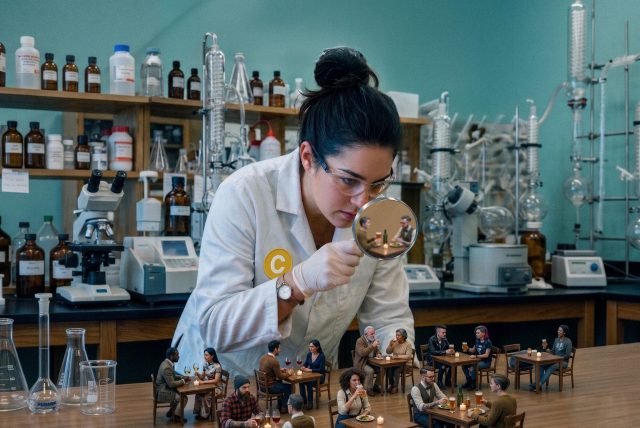
Digital influence is growing across the drinks sector, but transparency, human connection and personal recommendation remain critical to consumer trust, according to new research commissioned by drinks marketing specialist Chelsea Co.
The study, conducted by Leadership Factor among more than 1,000 adults who regularly enjoy alcoholic drinks with friends and family, examined changing consumer habits in an increasingly competitive marketing landscape.
The findings revealed sharp generational divides around artificial intelligence (AI), digital communications and the factors influencing drinks discovery.
Three-quarters (75%) of consumers aged over 55 said they dislike the use of AI technologies for any drinks marketing activity. However, even among 18–34-year-olds, 60% said they instinctively prefer drinks campaigns and brands they feel have a “human touch”.
Meanwhile, more than 80% of the public believe they can identify AI-generated content.
Despite this, younger consumers appear more receptive to the technology. The research found that 75% of 18–34-year-olds are comfortable with AI provided brands are transparent about its use, compared with just 7% of consumers aged over 65.
Chelsea Anthon, founder and director of Chelsea Co., said: “The drinks industry is waking up to a simple truth: standing out online now matters just as much as standing out on shelf. Fresh thinking, creative storytelling and useful content can turn passive audiences into active communities.
“The most forward-thinking brands are no longer treating digital as a place to post and hope. They are using it to create conversations, build experiences and guide people from discovery to purchase, both online and in store.
“But the research also shows something important. People still trust people. Retailers, friends and family remain hugely influential, which means the strongest brands will be those that connect brilliant digital storytelling with real-world recommendations and experiences.”
Discovery channels evolving
While digital influence is increasing, traditional routes to discovery remain significant.
According to the research, 43% of consumers still discover alcoholic drinks brands in store, while 42% discover them through friends and family. However, 10% of respondents said they discover new drinks online, a figure Chelsea Co. said highlights the growing importance of SEO and generative AI.
The study also found that brand story and design (27%) are more influential than price (24%) across all age groups.
Digital communications were identified as the most influential marketing channel by 46% of consumers, encompassing platforms such as Instagram, TikTok, YouTube and other digital formats.
Partner Content




By contrast, only 5% of consumers said print advertising attracted their attention, while television advertising continued to resonate with 18% of respondents, particularly among older demographics.
Anthon said: “The challenge for drinks manufacturers is how to facilitate that process and differentiate their products within the array of brands available.”
Younger drinkers favour digital engagement
The research found particularly strong engagement with digital channels among younger consumers.
Some 67% of 18–34-year-olds use social media or online platforms to discover new alcohol drinks brands.
Chelsea Co. suggested this may indicate that drinks businesses are not always appearing in the channels most relevant to younger consumers.
The study also highlighted the importance of sustainability and content for this demographic. Sustainability was cited as important by 45% of 18–34-year-olds, while 54% said genuinely engaging content matters when interacting with brands.
According to Chelsea Co., producers should consider how to communicate ethical commitments effectively and demonstrate that brands can deliver on sustainability-related promises.
Regional differences
The research also identified variations across UK cities.
Manchester emerged as the leading “party city” in the survey, with 68% of consumers discovering alcoholic drinks preferences in bars and restaurants.
Meanwhile, more than half of consumers in Cardiff, Newcastle, Nottingham and Southampton said in-store trialling was their preferred way to discover new alcoholic drinks offers.
Anthon concluded: “Overall, face-to-face experiences and recommendations still seem to be the preferred options for exploring new drinks. This makes sense given that drinking is, by and large, a social activity. The challenge for drinks brands, considering the expense and logistical aspects of these types of occasions, is how to insert themselves into those moments without it being forced.
“The drinks industry still has a long way to go in terms of digital marketing but there is so much opportunity for those that grasp the digital nettle.”
The findings form part of Chelsea Co.’s Insights & Imagination five-year research programme, which explores how drinks brands can combine market intelligence with creative thinking to drive growth.
Related news
AI fosters paradoxical trend for ‘authentic human connection’


