



Chef Q&A: Harriet Mansell
The Devon-raised chef has worked all over the world, and is now heading up La Closerie de la Beyne restaurant in the Dordogne. She tells Amelie Maurice-Jones what to expect.
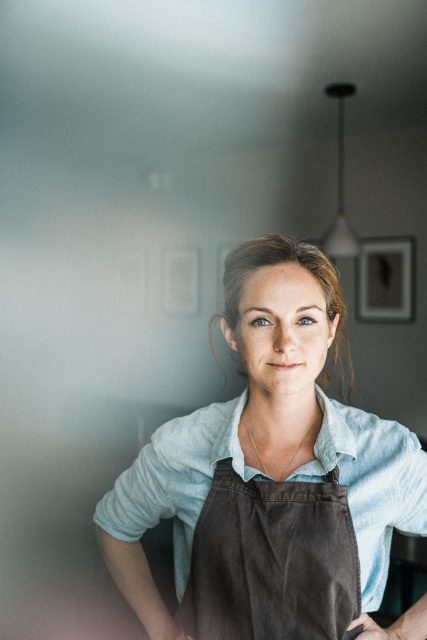
You describe your work as sitting at the intersection of food as ‘flavour, medicine, nourishment’. How has this trinity played out in your own life?
I was always searching for flavours that existed outside the norm – stronger, more bitter, more expressive tastes that lived in the natural world rather than on the supermarket shelf. That curiosity drew me to places like Noma in Copenhagen, where I deepened my understanding of wild food and how to work with it creatively. Over time, I realised these plants and ingredients offered far more than
flavour alone. The second layer was nourishment, understanding how wild foods support the body in a deeper way. The more I learned, the more I became fascinated by the medicinal qualities of plants, their
phytochemicals, active compounds and the ancient wisdom surrounding them. We often think of ourselves as separate from nature, but really we’re part of the same ecosystem – breathing the same air, drinking the same water, living within the same cycles. Once you start seeing plants as more than ingredients, your whole relationship with food changes.
How does being a qualified yin breathwork practitioner help you maintain a calm environment in the kitchen?
Modern life is stressful in general, but kitchens carry a very particular intensity: the pressure of service, the emotional energy of the workplace, the desire to create something meaningful for guests under constant time constraints. On top of that, there are the financial pressures facing hospitality today. Yoga and breathwork have become important tools for me in learning how to regulate myself and navigate that pressure more consciously. Yoga isn’t just physical movement – it’s a philosophical approach to how you engage with life. Breathwork has been incredibly powerful in helping me release tension and return to a grounded state.
The wines of the Dordogne are often overshadowed by Bordeaux. What makes the region stand out?
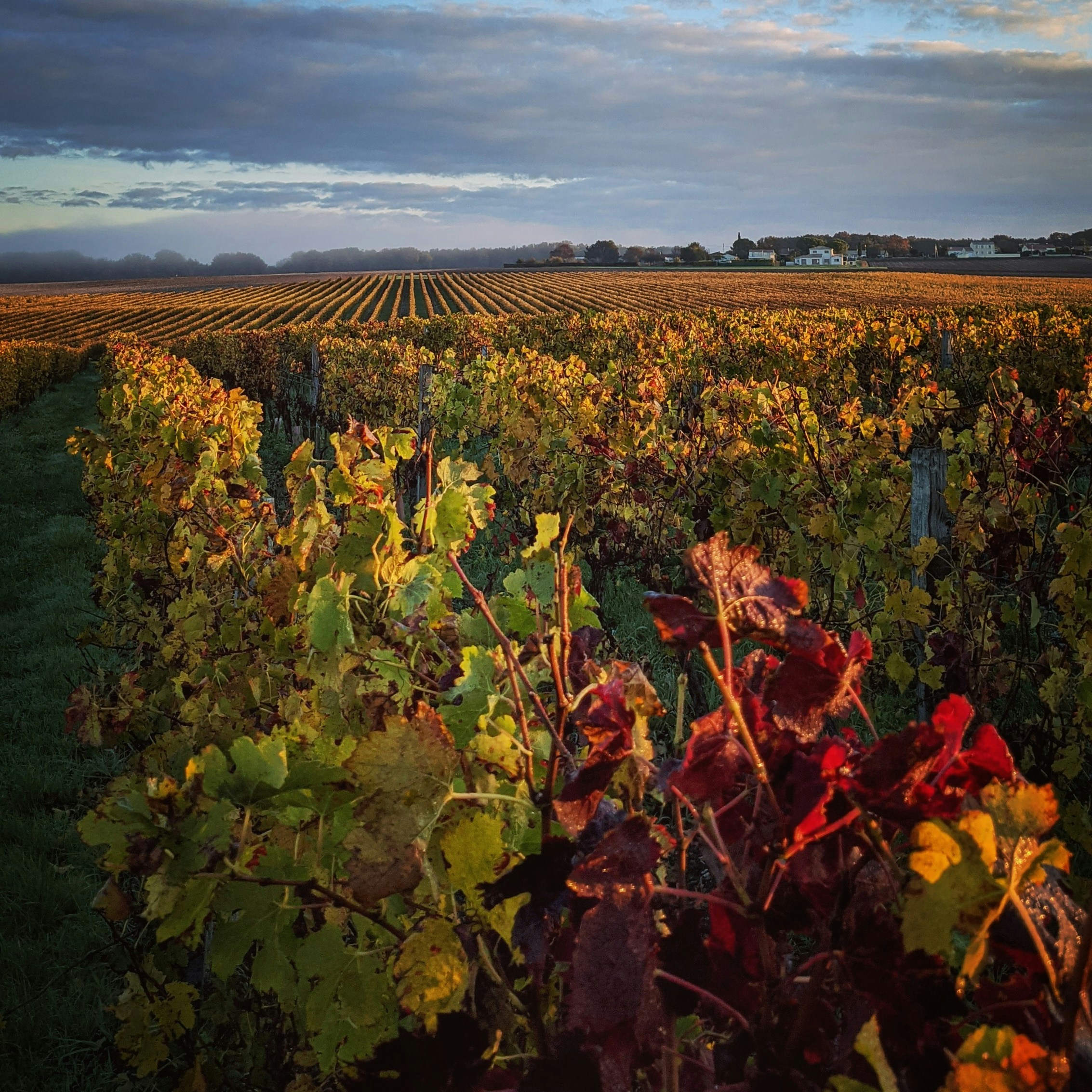
There’s a producer called Château Barouillet whose wines I love. They’re low-intervention wines that feel incredibly alive and expressive without losing elegance or precision. Sometimes natural wine can feel quite jarring to people, but these wines are beautifully balanced and really capture the terroir of the region. Visiting the vineyard recently and meeting Vincent [Alexis] was such a joyful experience; seeing the amphoras, the vineyards and the care that goes into every bottle. At the moment I’m building dishes around the produce I’m finding locally – walnuts, seasonal fruit, wild herbs and vegetables – and those kinds of earthy, expressive flavours pair beautifully with the energy and freshness of the wines here. They feel alive, rather than homogenised.
Your career has taken you around the globe – from Copenhagen to the Seychelles to Antigua. How do you balance respecting indigenous ingredients with maintaining culinary flair?
Partner Content
Working around the world in my 20s taught me an enormous amount. I was always fascinated by how different cultures approach food, hospitality and ingredients. But wherever I’ve been, my focus has always been the same: working closely with the environment around me. I want to understand what naturally grows somewhere, what people have historically eaten there and what ingredients feel true to that landscape. My own style emerges through that process, rather than overpowering it.
Having travelled all over the world, what’s something Devon does best?
Cream teas, and Devon absolutely does them properly. Cream first. You wouldn’t put jam underneath butter, would you? Beyond that, though, Devon has an incredible relationship with the land and sea. There’s a simplicity and honesty to the produce here that I really love.
You shut your highly acclaimed restaurants Lilac and Robin Wylde in 2025 and 2023. How do you feel, looking back?
Closing restaurants is emotional because you pour so much of yourself into them, but I also see it as part of life. Sometimes chapters have to close in order for new ones to begin. I look back with enormous gratitude for what we created, the people I worked with and the experiences we shared together. Those restaurants taught me a huge amount – creatively, personally and professionally.
What’s a dream you still hope to achieve?
To continue living with curiosity, openness and connection – to nature, to people and to myself.
Related news


