



Top 5 talking points from the TFWA Asia Pacific show
The Tax Free World Association (TFWA) hosted its four-day travel retail conference and exhibition this week in Singapore. Jessica Mason identifies the key developments, challenges and drinks trends shaping the duty free channel in 2026.
Within a sector much heralded for being a platform for luxury, the global travel retail (GTR) marketplace has long been considered a hotbed for innovation.
The global stage, rich with new drinks launches and exclusive limited-edition offerings has amplified its presence and communicated both its potential for helping build relationships between brand owners, retailers and operators.
However, since the pandemic and travelling was prohibited, it has also been beset by challenges as it regains its footing.
After interviewing multiple brand owners and buyers working within GTR, db has been told how much sales conversion has become crucial for success and drinks firms looking to expand on a global scale, or work with the luxury sector, must take note of the factors and trends that are the buzzwords of 2026.
1. Connectivity
One of the primary trends discussed at the show this year was the fact that, despite geopolitical challenges and global “shocks”, there has continued to be an attraction towards travelling and exploring. Essentially, people want to stay mobile and connected with the world. This has not changed. In fact, as Asia in particular sees its younger middle class gain in affluence, the desire for adventure remains stronger than ever.
Speaking during the conference, Singapore’s former diplomat and two time ambassador to the United Nations Kishore Mahbubani described how if you read the news, globalisation had looked like it was getting further away, rather than nearer. But, he observed, despite set-backs and even conflicts or the pandemic, the first thing people want to do when they have any money is go and see the world.
Mahbubani explained: “The global system has been hit by several massive shocks. 25 years ago everyone was celebrating globalisation. It was going to raise living standards all over the world. And that optimism seems rather strange now.”
But, he insisted: ”The first thing that they want to do, when they have access to a little bit of disposable income, is to travel.” He assured: “While shocks may continue, the underlying drivers for mobility, inspiration and connectivity remain firmly in place.”
Mahbubani added: “China and India doing well is not a surprising phenomenon” and suggested that, despite what is publicised elsewhere, “globalisation is still alive” and said that all that we are seeing is that “the world has changed structurally” and reiterated that connection is in fact more important because, especially during harder times, “humanity’s destiny is deeply intertwined”.
2, Sensory education
A notable trend that was seen at this year’s show centred around the fact that drinks brand owners have now started to market their drink’s aromatics at the booths by using atomisers. The move, which is seeing some of the companies making the atomiser sprays available, illustrates a way that the drinks sector is evolving to meet the needs of non-drinkers, gift-buyers and also those who would like to be more informed about the key botanicals in different drinks and their variants and expressions.
Good examples of this trend in action could be seen by Liviko, which owns the Crafters Gin brand, the firm has highlighted how the aromatics of drinks can often remind people of destinations, which is why sensory cues work well for drinks being sold into the travel retail space.
Speaking to db, Liviko CEO Janek Kalvi said: “drinks are very much about being multi-sensory and the feelings you have.. This, I think, is one of the most affordable ways to travel”.
3, Light and fresh flavours with reduced sugar
Despite the global trend for low and no which goes hand-in-hand with the wellness and moderation mindset, the move away from heavier full bodied wines and spirits and towards something light and fresh has also become something of a notable movement.
Partner Content
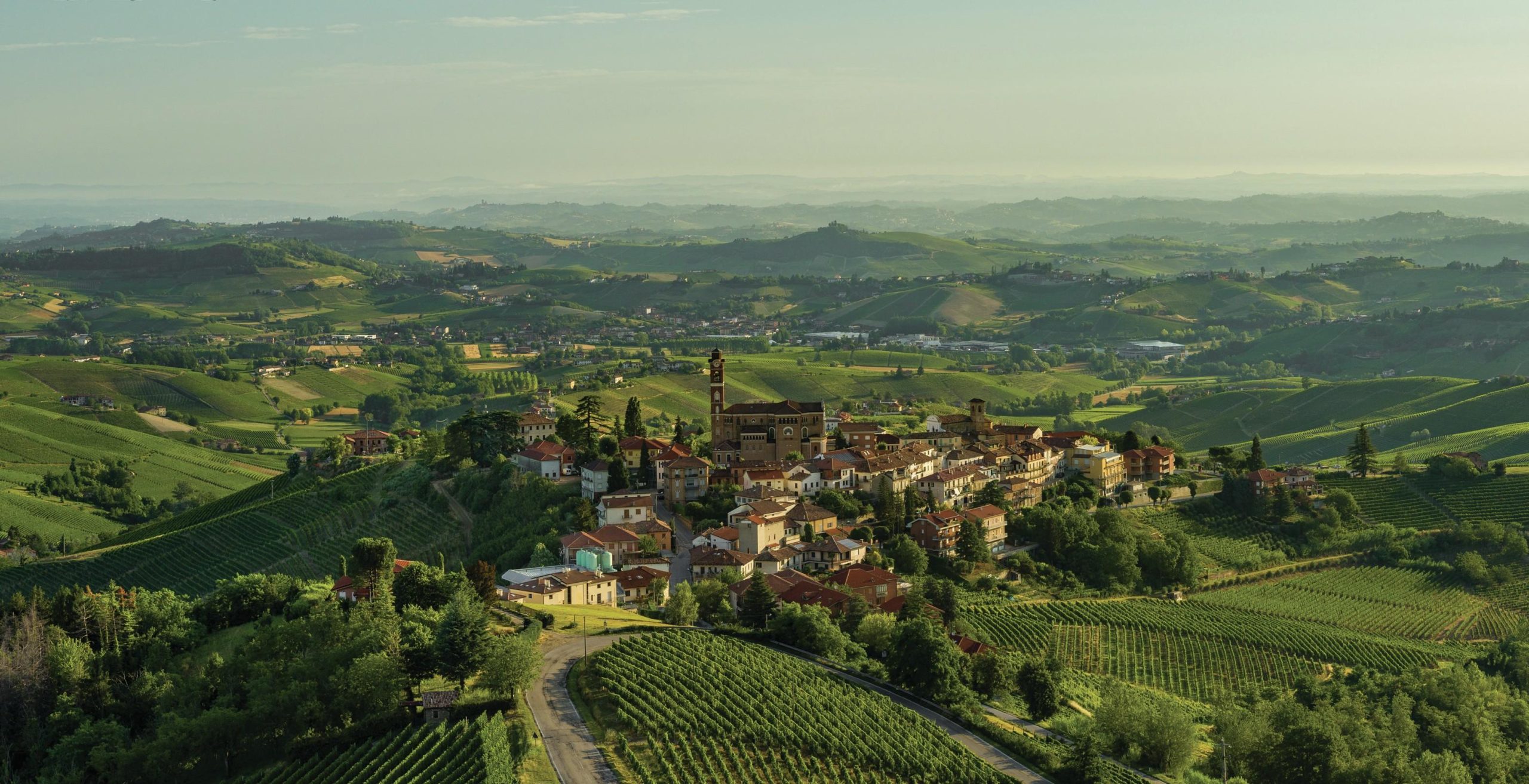
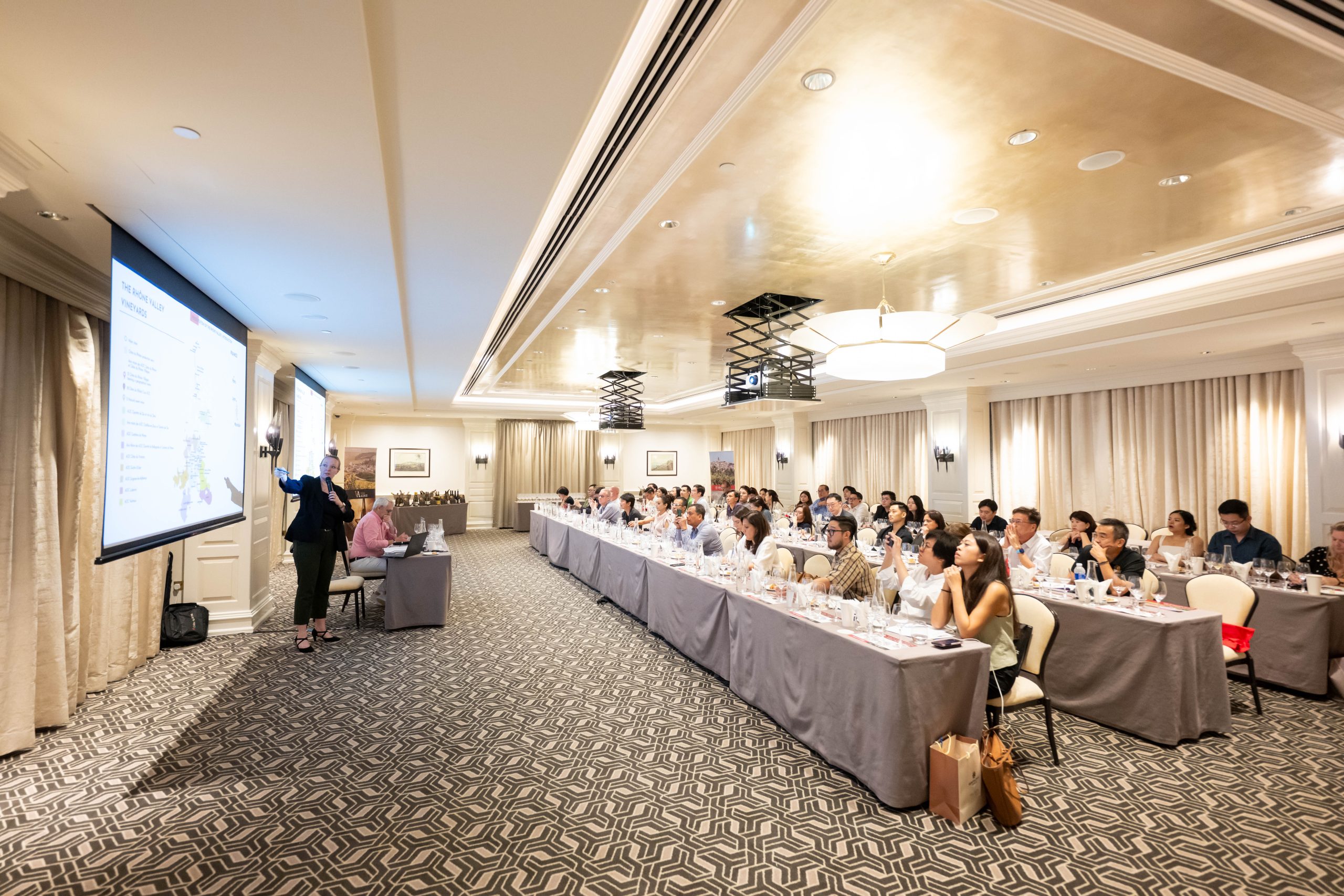
Herita Marzotto Wine Estates, formerly Santa Margherita Wine Group, which was showcasing Santa Margherita Prosecco Valdobbiadene Superiore DOCG in Singapore this year, outlined how tastes were changing and leaning in towards freshness.
During an interview with db, Herita Marzotto regional manager Asia Pacific Roberta Picco noted that in Asia and China in particular, more people are looking for light fresh fizz and have moved away from full bodied wine.
Picci explained: “It’s become a big trend in Asia. In the past, in China, everybody was looking for a heavy red. Now it’s starting to change completely. People love bubbles, they love lighter drinks and they don’t want to have something that feels ‘too much’.”
Laurent Perrier international operations director Jean-Christian de la Chevalerie told db: “people are conscious about sugar these days” and explained that this is why Laurent-Perrier Ultra Brut Champagne exists.
The Champagne, according to de la Chevalerie, “expresses a Champagne in its purest form” because “the vines were selected to preserve only those that have both a high degree of potential and low acidity, which allows the wine to achieve the desired balance without the addition of any dosage”.
He added: “It’s really big in travel retail.”
4, AI optimisation rather than integration
As technology continues to rapidly advance consumer behaviour, graduate business school Institut Européen d’Administration des Affaires (INSEAD) professor of strategy Hyunjin Kim took to the stage at the conference and explained that “every new technology wave starts with the same mistake. We ask: “‘How do we fit the new technology into the old business?’”
But, Kim pointed out that “most of the breakthroughs really come when we stop asking how to fit new technologies into the old model and start asking how we think about the new models that become possible”.
Kim warned that most companies remain focused on optimisation rather than transformation and yet AI is reshaping four key layers of business that drinks firms use: technology capability, customer interaction and the restructuring of the firms themselves.
She explained: Search is being replaced by conversation. And conversation is increasingly being replaced by agents. Kim also observed that this shift was changing the way brands engaged with travellers and asked the sector : “What AI delivered was the freedom to imagine. If you were building your current business from scratch today, with AI, what would you build?”
5, Pre-travel engagement
A key takeaway from the show this year was also the reminder that the airport is not the first point of contact when someone makes plans to travel. In GTR drinks retailing this is often considered an overlooked area.
Despite this, a TFWA study which was conducted by the global consultant Oliver Wyman as part of a workshop titled ‘AP Travel Retail Pulse, revealed that drinks companies need to look at the ‘relevance’ and “assortment” of drinks that lead to conversion and adapt to market diversification.
Describing how the drinks category’s performance was still lagging behind where it should be, Oliver Wyman partner Waldemar Jap, said: “Recovery will be won through conversion, mix and relevance – not just passenger volumes. A large proportion of travellers already plan duty free purchases in advance. 75% of affluent Chinese shoppers and 88% of affluent Indian shoppers in our survey.”
Because of this, he advised: “Pre-trip engagement is no longer optional” and suggested brand owners look at creating “better pre-ordering, richer product discovery tailored to local cultures, personalised offers [and ways of making products] easier [to] pick-up”.
Related news
Call for entries: The Travel Retail Masters 2026
Why travel retail is the smart route for drinks hoping to crack Asia
Why drinks brands with thoughtful design gain traction in travel retail


