



The revival of Korea’s 480-year-old wheat soju
Jinmaek Soju founder Sungho Park has transformed a rural Andong farm into a distillery reviving the centuries-old lost tradition of wheat-based soju. As production doubles year on year, he tells Joyce Yip why global markets may hold the key to soju’s future.
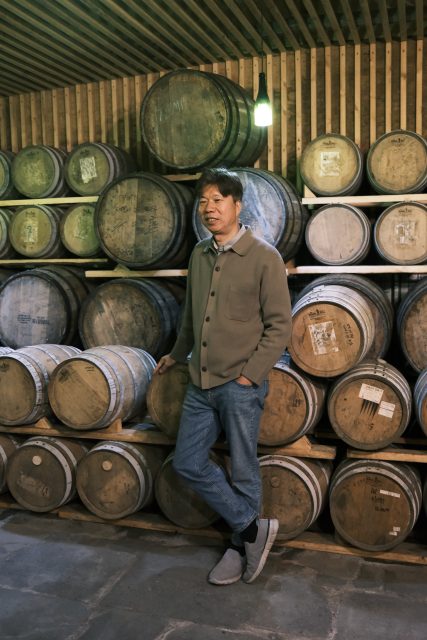
Sungho Park lives in the idyllic Menge Valley in Andong – a three-hour drive from Seoul, South Korea – encircled by the longest river in the country, Nakdonggang. Getting to his 68,000sqm-plus property of a distillery, grainfields, a solar array, a visitor’s centre and homestays commands leaping across a manmade stone path atop a trickling stream, or – during high tide – in Park’s tractor.
Park is reviving the 480-year-old lost tradition of wheat-based soju: it’s his third career reinvention after he sold his IT company in 2007, whereby he turned the property into an organic farm supplying buckwheat and wheat to bakeries in the capital.
“My children – now 20 and 22 years old – were just born, but my weekends were packed with meetings, and I realised that this was not the life I had dreamed of,” Park says. “We love the calm of Menge Valley; we didn’t know anything about farming.”
What happened to wheat soju?
Dating back to 1540, wheat-based soju were predominantly homebrews meant for nobles and royalty. However, changes in alcohol regulations and new soju production methods during the Japanese occupation of Korea meant that wheat-based soju went extinct for centuries. Today, much of the country’s premium soju is distilled from rice.
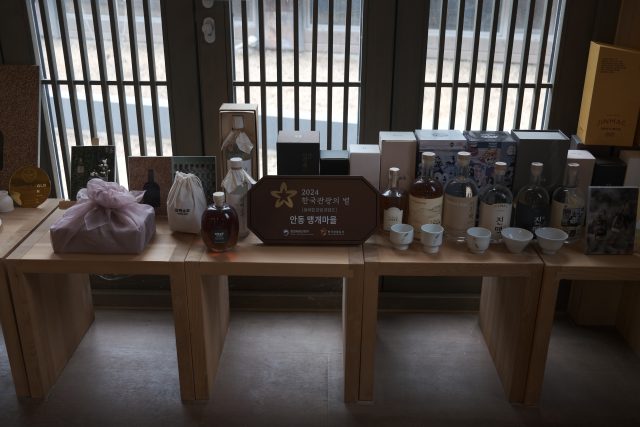
Translating to the eponymous category of wheat soju, Park’s Jinmaek Soju (or Jinmac) was launched in 2018 with an annual production of 5,000 bottles. Four years later, it expanded its portfolio to include oak barrel-aged soju that’s matured in a mix of first-wash bourbon and sherry barrels for a minimum of three years. Park says Jinmaek is Korea’s only commercial soju distilled exclusively from organic wheat.
Partner Content
Still, Jinmaek Soju’s production is nanoscopic compared to the green bottled soju usually endorsed by boy bands in vogue and featured alongside South Korea’s famous fried chicken. Costing less than US$2 per bottle – compared to US$30 per bottle of Jinmaek Soju – green-bottle soju occupies 98% of market share, says Park.
Winning over the global market
So In 2024, he started exporting 10% of his soju to bottle shops and high-end restaurants in the States, Singapore, Hong Kong, Australia and Europe, hoping that international stardom would eventually rub off on his own country’s drinkers.
In Hong Kong, specifically, Jinmaek Soju is served at the Michelin one-starred Hansik Goo, amongst others.
Park also actively conducts masterclasses around the world to spread his gospel.
The push to premium
“Spirits appeal through cocktails, but Korea doesn’t have a vibrant cocktail culture; and everyday Koreans usually drink with meals but without the same discern as we have for wine and food pairings,” he says.
His strategy has proven successful. Today, Park says he makes 30,000 bottles a year and is aiming for a tenfold growth by 2029 with his new production facilities.
“Korean soju is undervalued. I think the value of premium soju is as meaningful as its history… Many people at home and abroad are not familiar with the soju category yet, but I expect the understanding of premium soju will increase in the near future.”
Related news
Soju Day becomes official in California
Inside the Tokki Soju Hong Kong pop-up reimagining classic cocktails
Will HiteJinro's new low-alcohol soju harm the drink's 'cultural identity'?


