



Restaurant wine sales fall as value and new trends drive US growth
On-trade wine sales have dropped sharply in recent years, but pockets of growth are emerging across value-driven, white and sparkling categories. Changing consumer habits are reshaping how diners engage with wine, with flexibility, affordability and experimentation leading the way. Kathleen Willcox reports.
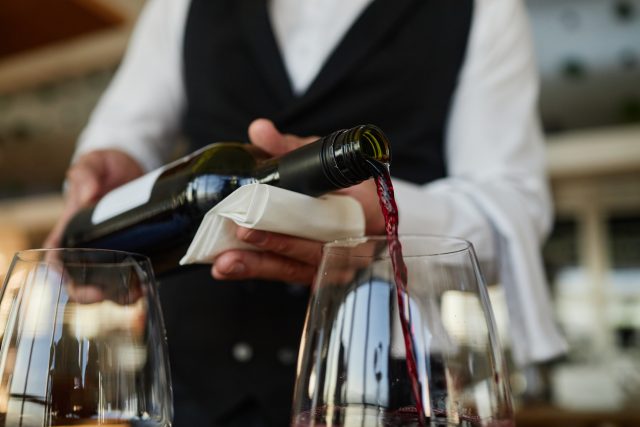
Ordering a bottle of wine to accompany a meal at a nice restaurant used to be standard operating procedure for any self-respecting adult. Even if the adult in question was not a big drinker. But like the free breadbasket, delivered without studious inquiries about gluten tolerance levels, that civilised convention has gone out the window.
Since 2019, on-trade wine sales have been down about 26% in the US, according to numbers from Southern Glazer’s Wine and Spirits, the country’s largest wine and alcohol distributor. There are areas of strength and growth, though.
“US fine dining continues to face challenges, with the overall number of physical outlets in decline,” says Matthew Turczak, on-premise solutions manager at NielsenIQ. “And within the on-premise channel, wine is facing additional headwinds: over the last 52 weeks, wine’s dollar share is down 0.3 percentage points, contrasting with RTDs, which have grown 0.3 percentage points, albeit from a much smaller base.”
Will sophisticated diners be trading their Sancerre for a Strawberry Margarita Spritz? Not necessarily. But there is a concerted shift in how frequently on-trade diners are opting to open their ever-tightening wallets for wine, and what options they are opting for.
Demand shifts to value-driven wines
Super premium wines are no longer meeting the sniff test for expense accounts and other traditionally big bottles only opportunities.
“People are scaling back on purchases of $1,000 bottles for sure,” says Kevin Bratt, national wine and spirits director for Lettuce Entertain You Restaurants, including Joe’s Seafood and Prime Steak & Stone Crab. “Those purchases are down by 5%. But we have maintained steady sales overall, because our programme is designed to offer great wines from classic regions at reasonable prices. You can definitely get a Napa Cab here for $100 or less.”
At restaurants, sommeliers are tapping the zeitgeist and finding sales success by offering high-value wines at more accessible prices.
“Guests are looking for quality without the premium price tag,” says Gary Wallach, Renwick Hospitality Group’s managing partner and owner of New York’s Park Rose at Hotel Park Ave, pointing to regions like Touraine in the Loire for Sauvignon Blanc and Mendoza for Malbec as go-to selections.
Consumers embrace new regions and styles
Regions that most people in the US are unfamiliar with are resonating, especially with younger consumers eager to try something new. Intipalka, one of the few Peruvian wineries distributed nationwide in the US, is seeing strong momentum.
“The past few years have shown that at our quality level and attractive price point, retailers like Total Wine and Bevmo are selling quite a bit,” says commercial director Davide Solari. “Peru brings people in, and we are on track to achieve 40% growth for 2026. With the most expensive SKU at $50, our quality-to-price ratio is difficult to beat.”
Some sommeliers are also adapting their offerings to make wine more accessible and less intimidating.
“We are in a moment where belt straps tighten and trends shift,” says Jeffrey Hyman, beverage operations manager at Barcelona Wine Bar. “We have always fought for diversity in selection with a focus on affordability. We want to throw a party where everyone is invited.”
Flexible pour sizes allow guests to experiment without committing to a full bottle, encouraging exploration of regions such as Rias Baixas and lesser-known grape varieties like Baga and Graciano.
Partner Content
Whites and sparkling wines gain momentum
Many of the wines driving growth on premise are white or sparkling styles.
“Crisp whites in general are increasing in share across all of our brands,” says Jim Opalka, president of Albert Bichot USA. “We are seeing the biggest increases in Loire, via Joseph Mellot. Much of this is Sancerre, and the region for us continues to be up high double digits year over year.”
Turczak notes that NielsenIQ data shows sparkling wine as a bright spot, driven by imports, which are up 1.6 percentage points in dollar share versus a year ago.
At González Byass USA, CEO Andrew Sinclair says competitively priced white and sparkling wines from Spain are seeing strong growth.
“In our case, we are seeing Cava, which is made in the Champagne method but is priced at a fraction of Champagne, has been growing double digits since September,” Sinclair says.
RTDs continue to expand
The growth in ready-to-drink (RTD) products is also reshaping the on-trade landscape.
“RTDs continue to perform well, though their general year-over-year dollar growth is beginning to moderate,” Turczak says. “This slowdown is typical of a category entering a more mature phase, as consumers start consolidating loyalty around specific brands and brand families.”
Free Spirits, which launched non alcoholic spirits in 2020 and RTDs in 2023, has seen rapid expansion.
“RTDs are the fastest growing segment of our business, up more than 100% year over year,” says CEO Milan Martin. “As we continue to expand distribution and broaden the RTD portfolio, we anticipate spirits and RTDs representing equal parts of our business.”
RTDs also offer a practical solution for operators facing rising labour and ingredient costs.
“RTDs are an easy, margin-friendly way for operators to drive revenue while elevating the guest experience,” Martin says.
Changing preferences shape the future
Whether choosing wine or cocktails, consumers are increasingly favouring lower alcohol options with fresh, food-friendly flavours.
Rather than merely stabilising sales, these trends are delivering double-digit growth in key segments, signalling a shift in how wine fits into the modern dining experience.
Related news
Château Galoupet puts sustainability at the heart of rosé
The winery betting on the ‘next chapter’ for cool-climate Australian wine
Goedhuis Waddesdon: ‘there is appetite for fine wine among the younger generation’


