



Phoenix rising: how Yarra Valley found its feet amidst phylloxera
It has been 20 years since phylloxera was first discovered in the Yarra Valley. But how have winemakers in the Australian region turned disaster into opportunity? Andrew Neather investigates.

Given phylloxera’s apocalyptic reputation in Europe, the scene on a late summer’s day at TarraWarra Estate, in Australia’s Yarra Valley, seems strangely calm. Viticulturist Chris Beard points to a yellowing patch in the middle of the winery’s Southern Slope plot, source of the grapes for one of the estate’s top single-vineyard bottlings.
“That’s the phylloxera there,” he says. “It’s about 10% of the vineyard now.”
This year marks 20 years since growers first discovered the deadly parasite in this cool-climate region, located an hour’s drive east of Melbourne. The long and expensive task of replanting vines grafted onto resistant rootstocks continues. And yet the Yarra is coming out of the crisis stronger – by using phylloxera as an opportunity, replanting to make better wines than before, and to respond to climate change and changing markets.
Arrival in Australia
Phylloxera first arrived in Australia from Europe in 1877, in Geelong, across Port Phillip Bay from the Yarra. It spread elsewhere in Victoria, as well as in New South Wales and Queensland, devastating the wine industry and prompting widespread re-planting.
The Yarra, however, remained unaffected – and then went through a 50-year hiatus in grape production from the early 1920s, as it was overtaken by cheaper regions. When the modern Yarra wine scene got started from the late 1960s and 1970s, around 70% of the new plantings were ungrafted vines.
Then, in 1991, phylloxera was discovered in the King Valley, a couple of hours’ drive to the north-east. In the Yarra, in 2006, “ground zero was about a kilometre away from here”, says Yeringberg’s Sandra de Pury.
Infestation Zone
There is now an officially designated Phylloxera Infestation Zone, but it has kept expanding and now essentially includes most of the lower Yarra Valley. Producers have put biosanitary measures in place. They don’t share tractors or other equipment – a particular risk – and some use heat treatment on vehicles and tools after use. Some properties require you to use a chlorine foot bath on your boots before entering vineyards. This can make things tricky for wine tourism, in an area where cellar door operations are a key part of many wineries’ business models.
But even then, it’s hard to stop the disease being spread by kangaroos and deer. “We’re of the opinion that there’s no stopping it, but we’re trying to contain it,” says TarraWarra’s Beard.
Slow spread
But, unlike the devastation of Europe’s vineyards in the late 19th century, after phylloxera arrived in vine cuttings from the US, the disease here is not as catastrophic as Europeans might assume.
For a start, the one genotype of the phylloxera louse present in the Yarra has spread relatively slowly, at perhaps half the pace it did in, for example, the King Valley – though it can go through individual blocks quicker in a hot, stressed season. Thus the disease has been present in TarraWarra’s Southern Slope vineyard since 2012, but the estate continues to make wine from these grapes – and will do so until the disease damages yields to the point where it becomes uneconomical.
Badly affected vines eventually become stunted and unproductive, but first the disease’s commercial damage shows up by destroying the canopy, so that the grapes are either underdeveloped or get very sunburnt.
Indeed, says upper Yarra producer Timo Mayer: “It takes seven years before you see it.”
Not spooked by it
“There are some vineyards that are doing quite ok with phylloxera sitting in the middle of them – we’re not spooked by it,” says Steve Webber, winemaker at De Bortoli.
A major player, the company owns 250 hectares in the Yarra, as well as substantial holdings in the King Valley, Riverina and elsewhere. Webber has trained a generation of Yarra winemakers. He says: “I’ll be sad when some of the old vines go, but I’m philosophical about it.”
All of De Bortoli’s plantings since 1995 have been on rootstocks. At the same time, growers have to contend with the fungal trunk disease eutypa dieback, prevalent in the Yarra. Indeed, in the cooler upper Yarra, where phylloxera has as yet made fewer inroads, “it’s the least of our worries compared to trunk disease”, says Andrew Marks of Gembrook Hill.
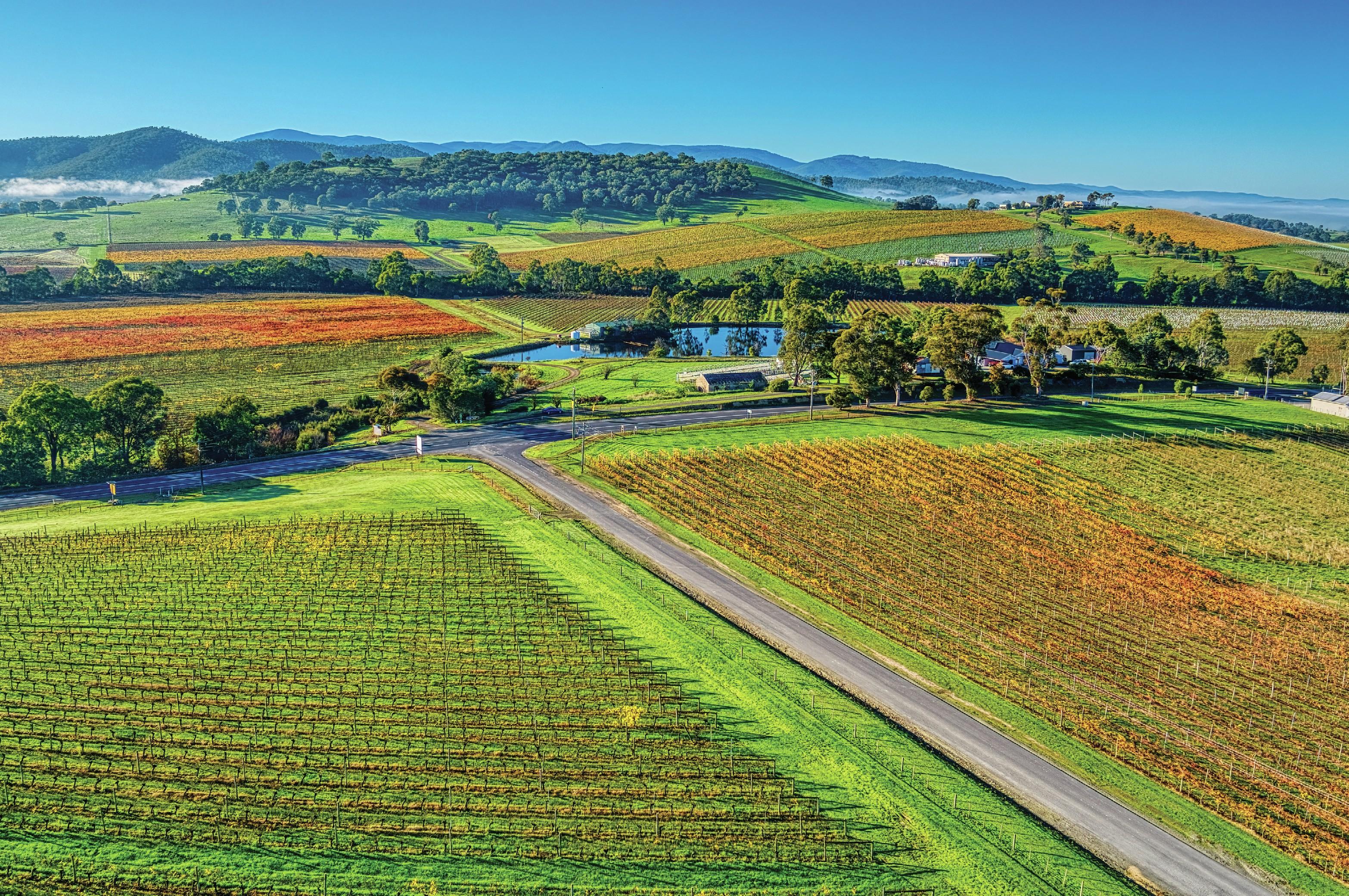
Shifting scene: replanting is bringing big changes to the Yarra’s vineyards
He is, nevertheless, gradually replanting his vines on rootstocks to get ahead of the seemingly inevitable spread of the louse.
“We haven’t got phylloxera yet, but we’re not fucking around,” adds Timo Mayer.
The pace of replanting here is steady rather than breakneck, in part because of the cost – up to AU$120,000 (£62,000) per hectare. At the same time, as Handpicked Wines senior viticulturist Ben Bussell says: “You can’t just rip all your vineyard out and have all young vines.”
Handpicked has now replanted most of its vines, but “it’s a slow march”, says assistant vineyard manager Sam Parker.
Some growers say that, with Australia’s current grape glut and falling demand in international markets, especially for red wine, they can’t justify the expense – though oversupply is less of a problem with cool-climate wines.
Starting over
But replanting means much more in the Yarra Valley than simply replacing the same vines in the same places. Forward-looking growers are using it as an opportunity to start over, correcting the mistakes of the past and even giving them a competitive edge for the future.
Handpicked Wines’ Bussell thinks there is a wider phenomenon in Australia: “People are just more knowledgeable now about site, soil, clones and so on. You could go to any region and think: ‘Why did they do that 20 years ago?’”
Regardless, Webber, for example, is embracing the opportunity with gusto: “We’re replanting from the crazy days of the 1980s to get our vineyards right.”
Back then the Yarra exploded, with investor interest driven higher by the arrival of Champagne giant Moët & Chandon in 1986 with its Chandon Australia venture. As in some other Australian regions, planting was further encouraged in the 1990s by tax incentives, including generous depreciation allowances and tax deductions for capital expenditure on land preparation.
But, says Anthony Fikkers, head of winemaking and viticulture at Joval Family Wines: “In the 1980s we just didn’t have the knowledge about the terroir.”
When the site that is now Joval’s home plot was first planted as a family business, “they were growing everything – it was crazy”. Webber agrees that “people planted whatever they could get”.
Climate challenge
As well as correcting past planting decisions, there is a keen awareness here of the mounting challenge posed by climate change. As Yeringberg’s de Pury says: “We can’t all move to Tassie [Tasmania].”
The most basic of these replanting decisions are in terms of vineyard orientation. De Pury has changed some rows’ orientation from north-east to east, and even replanted a Pinot Noir vineyard facing south. “That was unheard of 50 years ago,” she says.
An east-west orientation gets less damage to the grapes than does north-south, where the flanks of the rows are exposed to the hottest sun in late afternoon. Meanwhile, clonal selection has assumed a central importance as the Yarra’s producers seize the opportunity for change. Bussell favours clones from France’s ENTAV, designed to be flavour-ripe at lower baumé and to deliver lower alcohol.
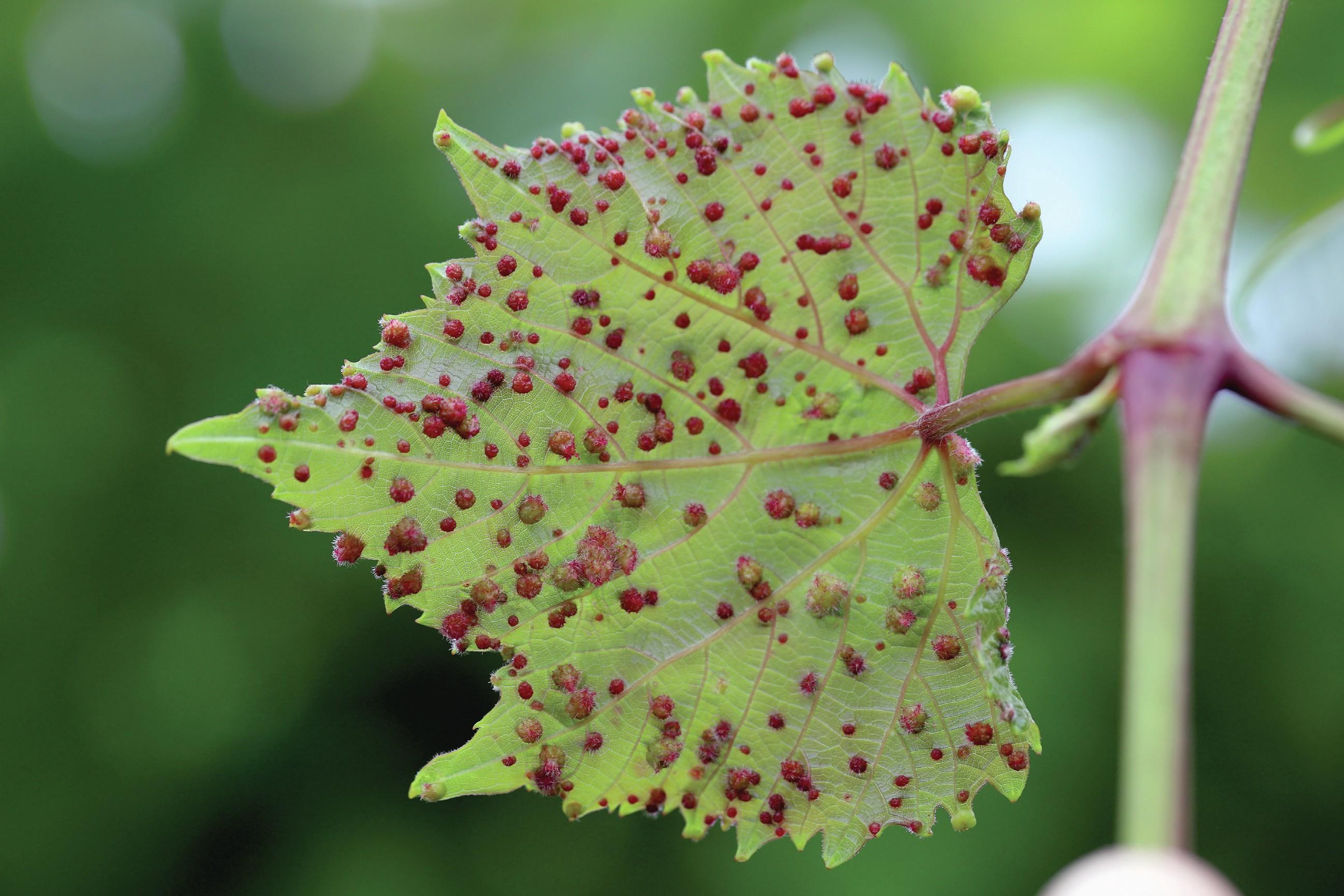
Unhappy birthday: it’s 20 years since phylloxera arrived in the Yarra Valley
Webber says of Chardonnay: “We’re looking for pre-phylloxera heritage material, like clone 15. It has small berries, small bunches and was rejected in the 1980s because of low yield.”
Adds Beard: “If you multiply rootstocks available by clonal options, the opportunities are almost endless.”
Pinot problems
But in particular, climate change poses a threat to the variety that makes up over 40% of the Yarra’s production: Pinot Noir.
“Pinot needs more water now, and more shade,” says Beard. “It’s more work.”
Clonal selection can help here. The MV6 clone, the original Pinot Noir clone brought to Australia from Burgundy in the 19th century and much planted in the 1980s and 1990s, is less well-suited to warmer sites. De Bortoli, for example, is replacing those vines with Dijon clones 943 and 667, New Zealand’s Abel Burgundian clone and others.
Now, says Webber, “they’re producing far superior wines than before”. But he cautions: “I don’t think there’s any question that Pinot Noir needs a much cooler climate than the [lower] Yarra.” So, to keep producing Pinot in 20 years’ time, De Bortoli will need to replant in the upper Yarra.
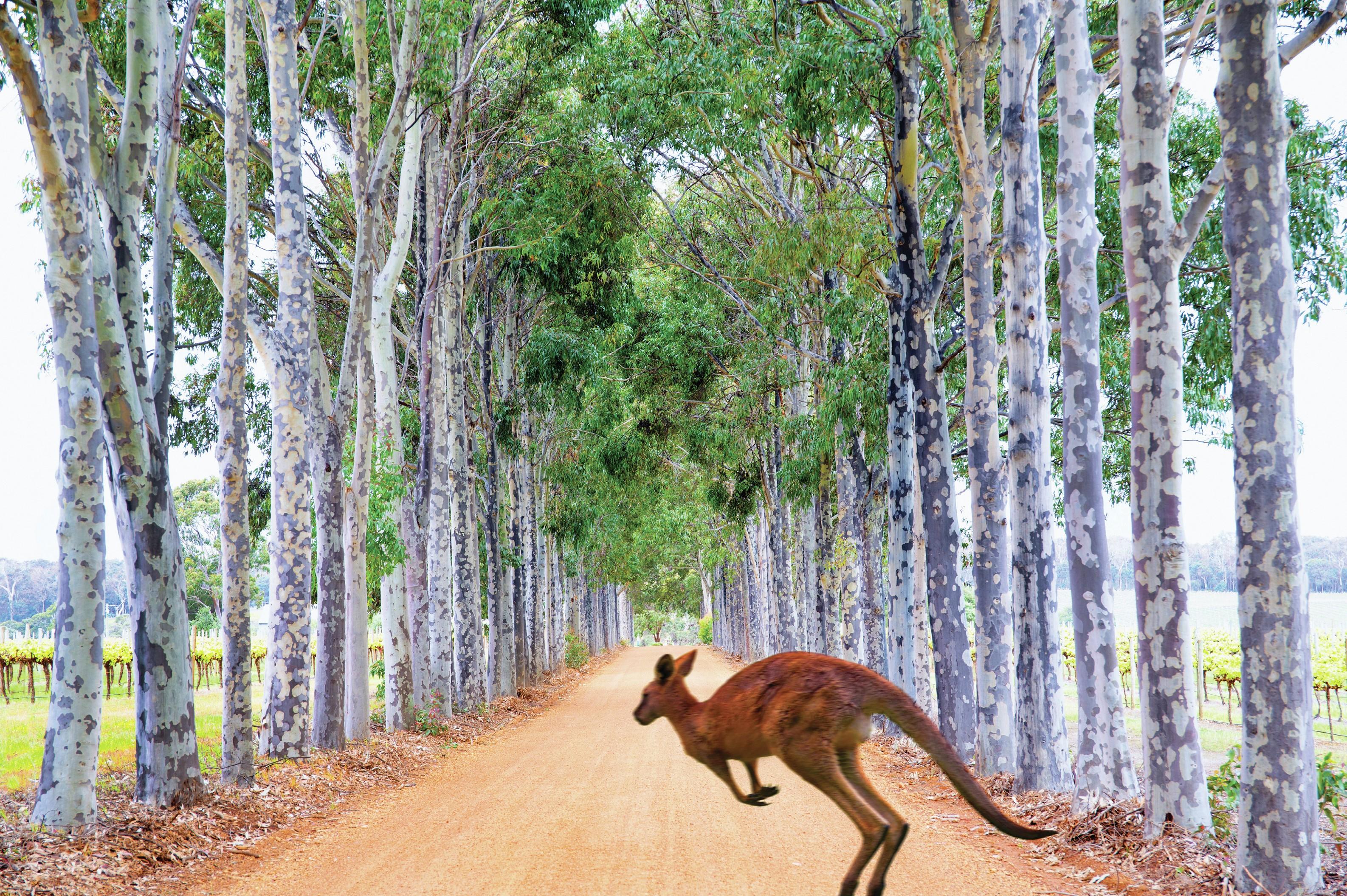
Jump around: kangaroos and deer can help phylloxera to spread
This cooler, wetter end of the valley has seen a steady increase in planting over the past 15-20 years. “The lower Yarra is getting further away from being able to grow Pinot Noir,” says Stuart Dudine of Alkimi Wines, based in the upper Yarra. “It ripens too fast and you end up with clunky tannins.” Sarah Fagan, winemaker at TarraWarra, adds: “In another 10-15 years’ time, Pinot could be difficult to grow here [in the lower valley] and make a nice wine.”
Paul Bridgeman, winemaker at Levantine Hill and a Yarra veteran, is blunter still: “At some stage in the next who knows how many years, they’re going to have to prise Pinot from the Yarra’s cold, dead hands and find more appropriate varieties.”
Beard confirms this: “The good operators are thinking: ‘Are we smart to be putting the same things back in?’” He has planted Nebbiolo in warmer spots that get afternoon sun, as well as Marsanne, Viognier and Shiraz – grapes he says would certainly have been much more marginal 20 years ago. Tarrawarra even has experimental plantings of Carricante and Nerello Mascalese.
Future proofing
Meanwhile, Levantine now has around 30 varieties planted, including Tannat and Touriga Nacional. “We don’t have phylloxera, but our neighbours do,” says export manager Ewan Proctor. “It’s future-proofing. Part of the future is going to be in blending varieties with more acidity.”
Soumah, which has replaced 80% of its vines, has replanted Pinot Noir and Chardonnay, but is also using Italian varieties including Brachetto, Marzemino and Arneis.
“Gamay is going into be massive,” adds Webber. “Grenache is pretty exciting.” He sees potential for Pinot Blanc, Pinot Gris and Albariño too.
New identity
There is perhaps a more fundamental question here. As Bussell puts it: “What is the next identity of the Yarra?”
At Handpicked Wines, he has planted Nebbiolo, as well as what is to date the valley’s only plot of Mencía. The resulting wines may require some change in local and international tastes.
Asked how producers can persuade Australian consumers to buy Yarra Nebbiolo or Mencía, Bussell laughs and says: “Make a good one! Planting in better spots, putting it together with clonal and rootstock selection – that’s the thing,” he explains. “Some exciting wines have risen from the ashes.”
“It’s good for the Yarra,” agrees Yeringberg’s de Pury. “Some people will go broke and some won’t replant, but it will force people to rethink. We’ll be stronger in 20 years’ time.”
Feeling the heat: climate change poses a threat to Pinot Noir in the Yarra Valley
The Yarra’s wine tourism honeypot
An important part of the Yarra’s bold new look is wine tourism. It has for years been a leader in the field and is now one of Australia’s most visited wine regions.
The Yarra gets 10,000 tourists every weekend; weddings are particularly big business at some of the wineries. This is largely thanks to its close proximity to Melbourne, the country’s second city, with a population of 5.5 million and a big cultural tourism industry.
Asian tourism in particular is growing fast, with Chinese visitors alone estimated to be worth up to AU$2 billion a year.
One challenge remains accommodation. Healesville, the largest town in the valley, was until relatively recently a low-key, even scruffy rural centre. There is a shortage of hotel rooms – one reason why Levantine Hills, for example, is constructing a new 33-room luxury hotel on site, and already has a huge event space and restaurants.
Even with more modest facilities, most wineries have cellar door operations. At Soumah, for example, which also boasts a very good restaurant, 60% of the winery’s sales are made either at the cellar door or direct to consumer online.
But, as wine tourism evolves – tastings, tours, wine and food pairings – it is becoming part of the region’s more ambitious, experience-based tourism offer. For example, visitors can now combine tastings with hot-air ballooning or even safari-style kangaroo encounters – though they may well run into the latter in the vineyards anyway.
Related news
The winery betting on the ‘next chapter’ for cool-climate Australian wine
Australian wine harvest falls to 25-year low
‘We make a wine for that’: Australia to relaunch national campaign



I am fascinated, as a Tasmanian trained viticulturalist and now Central Western Plains, NSW with a goal to plant a vineyard in Auatin, Texas, at the innovation and willingness to take risks with varieties, in the Yarra Valley. The types of grape must suit an evolving palate and i agree, it means blending more acidic varieties. But the ideas of wellness and health with less sugar and sweetness i know must be captured by the food industry which must require compatible tastes in wines, not complementary ones.
But with climate change its a tough one. And with the absolute essential ability to plant for 40 years ahead to get mature tastes, its decisions which must weigh on every region. God bless!