



Chasing rainbows: the evolution of Tenuta di Biserno
Established by Lodovico and Piero Antinori in the Tuscan hills of Bibbona 25 years ago, Tenuta di Biserno was developed under the guidance of the late Michel Rolland. Now CEO Niccolò Marzichi Lenzi is on a mission to make the wines more contemporary and approachable, as Richard Woodard discovers.
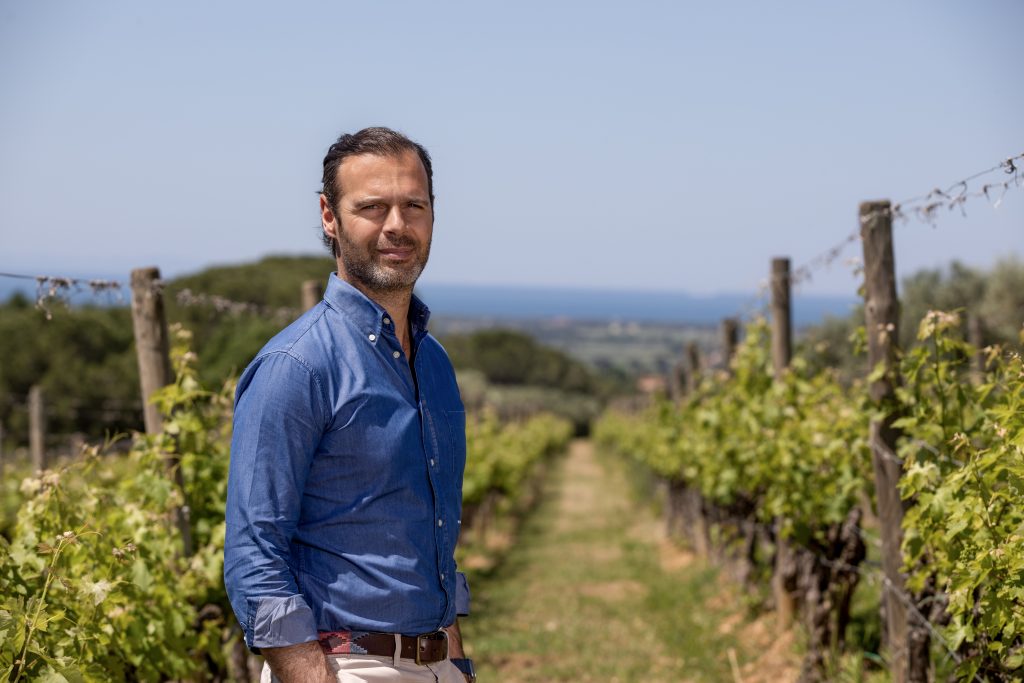
The influence of the late Michel Rolland stretched far beyond his native Bordeaux, extending throughout Europe and around the winemaking world. The wine consultant, who came for many to personify the ‘Parkerisation’ trend of the 1990s and 2000s, was involved from the outset with Tenuta di Biserno, the estate in the Bibbona hills of the Upper Maremma founded by Lodovico and Piero Antinori in 2001, around the time that Lodovico sold Ornellaia to the Robert Mondavi Winery.
But times and fashions change, and the philosophy at Tenuta di Biserno today, run since 2014 by CEO Niccolò Marzichi Lenzi, the Antinori brothers’ nephew, has evolved significantly. In particular, the aim is to make flagship wines Il Pino and Biserno – both Cabernet Franc-dominated Bordeaux blends – more approachable in their youth.
“More recently, I have really tried to do what I thought was very important for the estate, making the wines as contemporary as possible,” explains Marzichi Lenzi. “I don’t like ‘modern’, because modern sometimes is something that fades away. Contemporary means not turning your back on your DNA or your origins.”
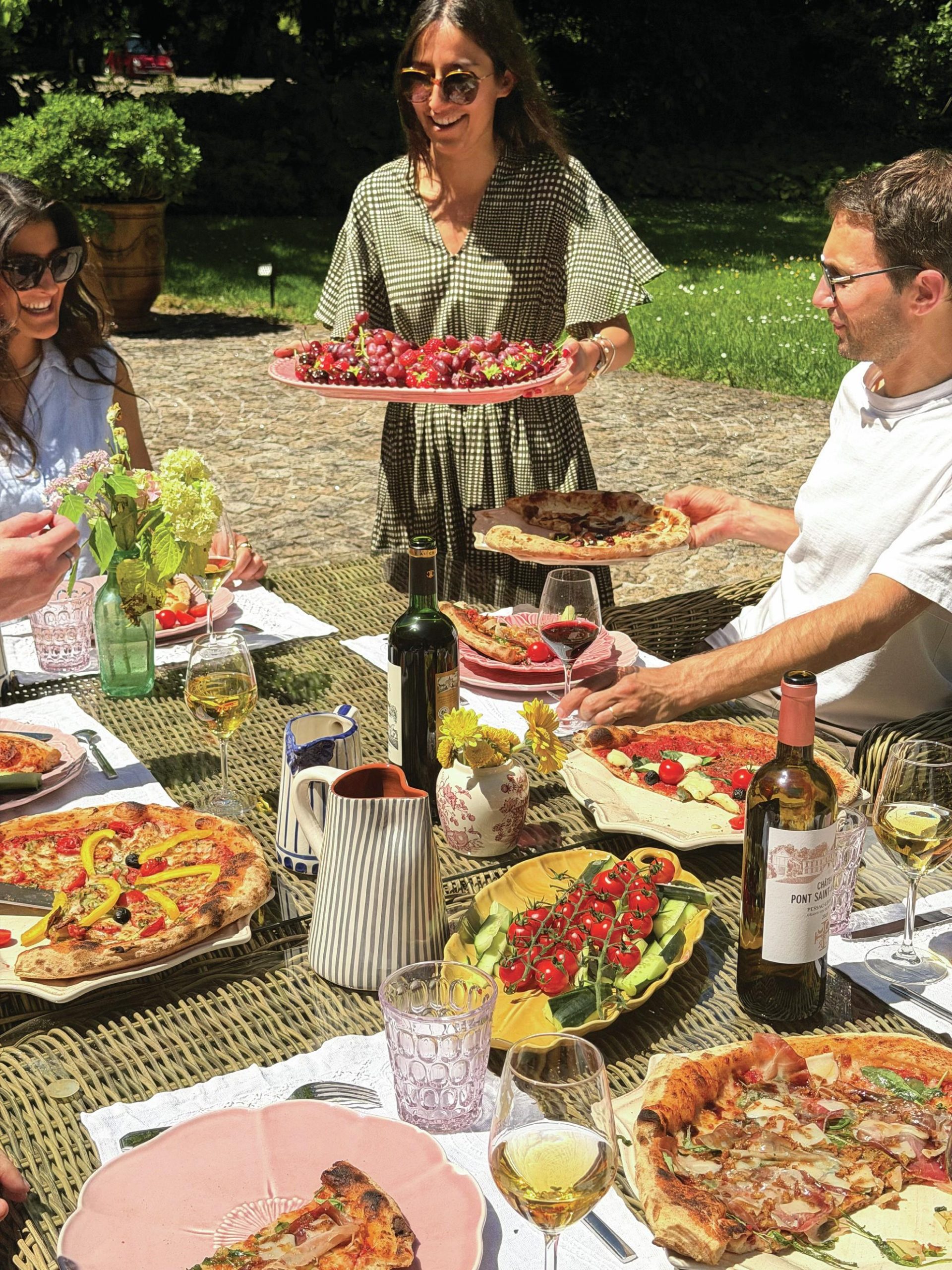
Because Biserno’s two leading wines are Cabernet-based, they have a natural structure and affinity with food. The aim lately has been to shift the balance from extraction to finesse, but judiciously. “We are trying to maintain that aromatic persistence in the mouthfeel,” Marzichi Lenzi says. “This is so important. It’s easy to make wines that are lean with less extraction, but more difficult to maintain the complexity and have nothing harsh.”
Approachability, however, should not imply a lack of longevity. And here, argues Marzichi Lenzi, acidity is key. “I’m a firm believer that wines that are meant to last for the long run need to have good acidity,” he says, with an emphasis on pH levels, rather than total acidity, because “perception of pH gives you a sensation of freshness”. To give one example, in the high-quality but very dry vintage of 2021, Biserno’s pH was 3.55.
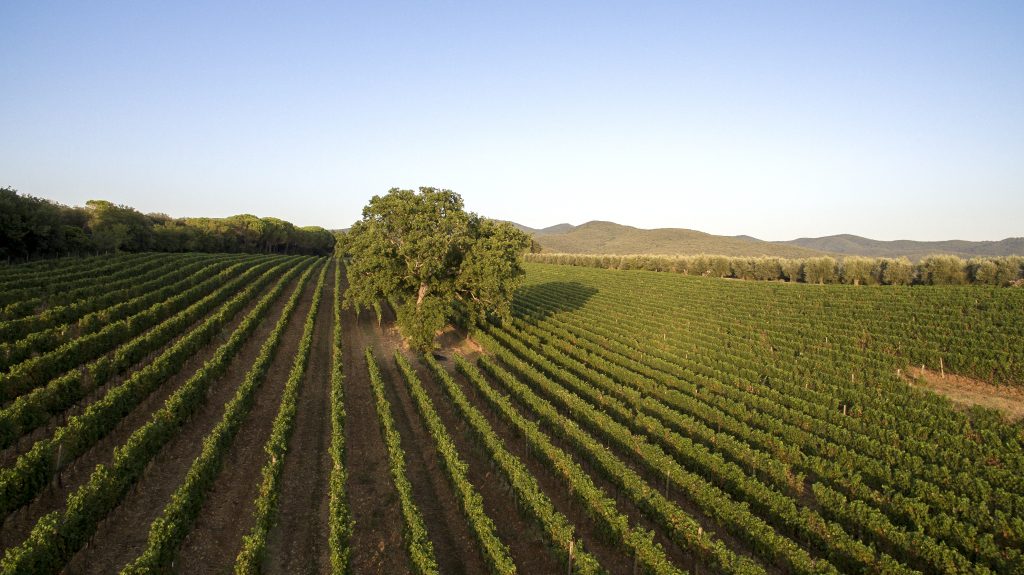
Achieving this balance between youthful charm and an ability to age has meant changes in both vineyard and winery, including “a little bit more courage” in fixing picking dates, in order to achieve ‘al dente’ fruit, alongside “an honest interpretation of the vintage”. No more green harvest or leaf removal either. “We used to push the limit to give the most maturity. Now we’re looking for the plant to have the best balance possible and trying to protect it from sun exposure.”
This entails a philosophical shift from the past, not only in response to market trends, but also in line with the changing climate. “We don’t have to chase for maturity, because the maturity is chasing us,” says Marzichi Lenzi. “We have to know that the viticulture from the 1990s and early 2000s was the result of having a hard time getting maturity in the 1980s. I was young, but I remember very well the Sangiovese at my father’s estate had a hard time reaching 12%.”
In a place where chaptalisation is forbidden, that’s a problem. “People paid special attention in selecting rootstock, clone, vineyard management to push maturity in cool vintages. Now, thanks to climate change and global warming, with old vineyards we have to let them get good balance. When we’re planting, we’re planting further apart, with clones that are not so vigorous, and rootstocks less sensitive to drought, and that work well in our soils.”
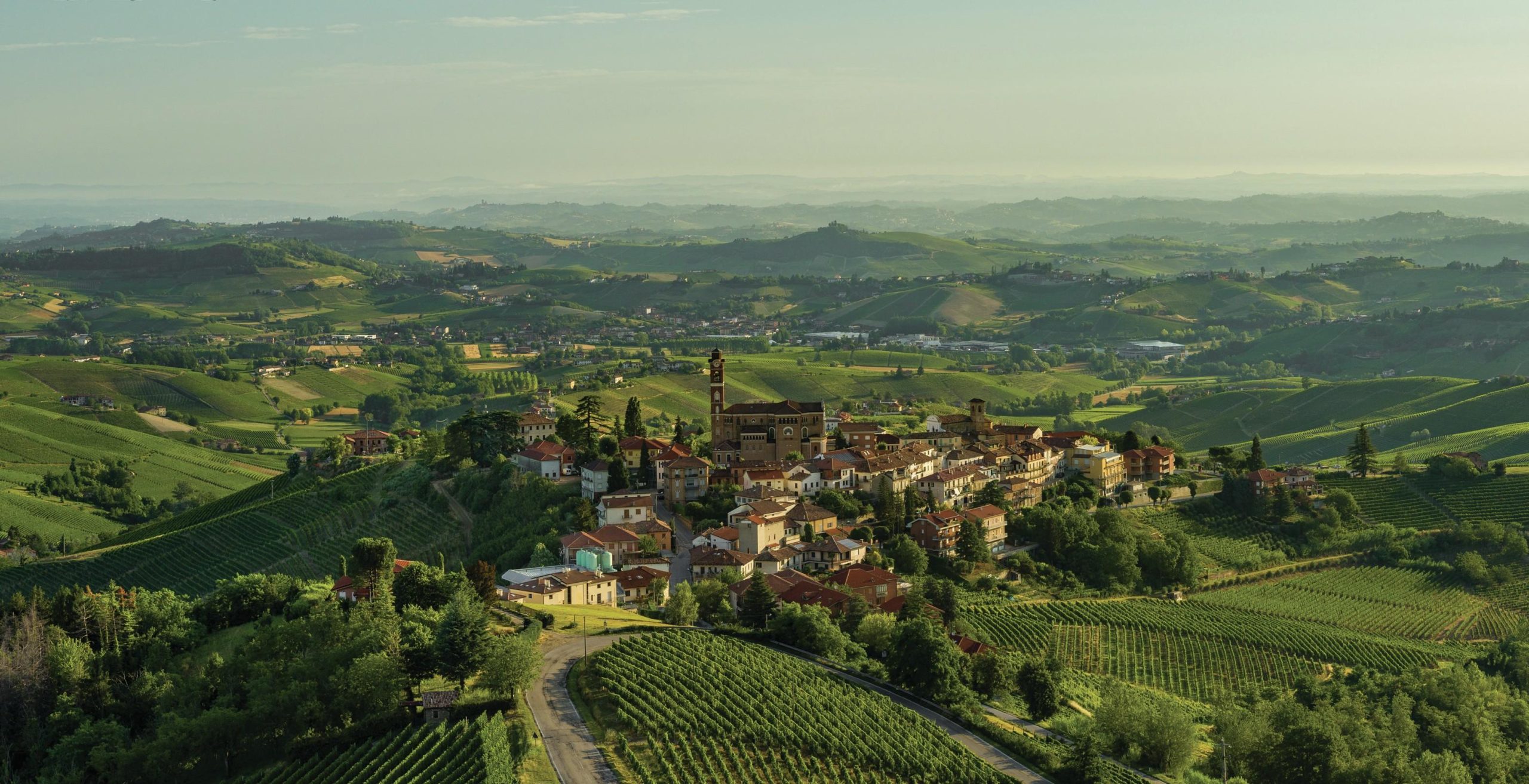
This new approach should also bring, theoretically at least, a more lucid expression of location and terroir. The main estate lies in Bibbona, but borders Bolgheri and shares characteristics with the northern part of that appellation: deeper soils, bigger rocks, vineyards surrounded by woods, some with more clay or limestone, combining contrasting exposures. “These varieties allow us to have very distinctive parcels, which we vinify separately,” explains Marzichi Lenzi. “There are lots of components that are very different.”
Partner Content

If there is a common thread, it is a balsamic note, and a touch of spice, that persists in hot or cool vintages. But, tasting Il Pino and Biserno together, the contrasts are more striking than the similarities. To understand the relationship, Marzichi Lenzi says, it’s necessary to eschew conventional ideas of ‘first’ and ‘second’ wines.
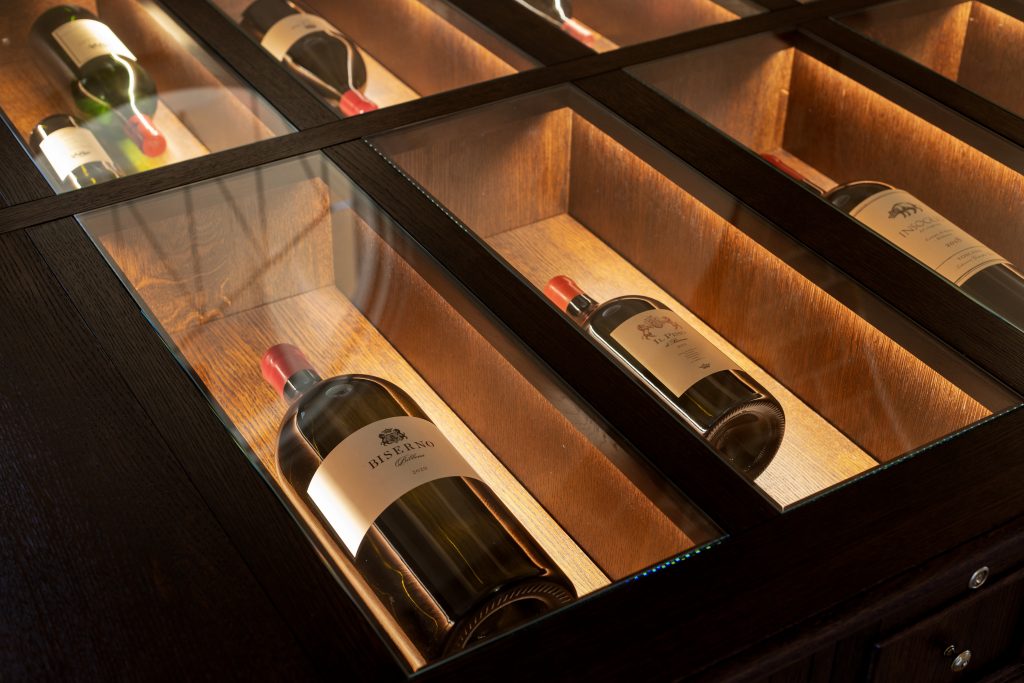
Describing Il Pino as “second label, but not second choice”, he explains: “Although people are influenced by the Bordeaux way of thinking – the best goes into the first wine, the younger vines into the second – we don’t like that. The wine should be distinctive in terms of style, but not quality.” So Il Pino is “more lively, more youthful” than Biserno, with Merlot bringing roundness, while the Cabernets contribute articulation. In 2023, (the current vintage for Il Pino), he adds, Cabernet Franc is “singing”.
Whatever your thoughts on first and second wines, Biserno is, by comparison, bigger, more structured and more austere in its youth – although the current 2022 vintage was a cool year, bringing enhanced aromatics and less richness than its predecessor, leading Marzichi Lenzi to suggest that “2022 came along to make you keep 2021 for longer in the cellar”.
How are the wines different in production terms? The vineyard parcels are the “number one player”, he says. “These parcels allow us to keep the fruit on the plant a little longer [with Biserno], bringing a little bit more extraction and depth. Biserno needs a little bit more time to deliver all the layers.” Choice of wood is important too – Il Pino will age in 20%–30% new wood, while for Biserno the figure is closer to 70% – as is the level of extraction during the winemaking process.
The subject of extraction brings us back to Michel Rolland. With a wry smile, Marzichi Lenzi recalls “arguing in a very productive way” with the great consultant about fermentation and extraction times, as he sought to move the style of Tenuta di Biserno away from the richer, more powerful template of the past. In the end, they appear to have respectfully agreed to disagree – but, even as Rolland had less of a hands-on role with the estate, Marzichi Lenzi was still keen to seek his “benediction” for each new vintage.
Even now, that process of gradual evolution is not over. “It’s always a work in progress,” he says. “I like to compare myself to a rainbow chaser – a little kid looking for the bucket of gold at the end of the rainbow. Really I think I would like Tenuta di Biserno to be recognised worldwide as a classic. ‘Icon’ would be too pretentious – but definitely an estate that remains in history for being solely focused on quality and making the best expression of terroir.”
Tenuta di Biserno’s wines, including current releases Biserno 2022, Il Pino 2023 and Insoglio del Cinghiale 2024 (a Syrah-heavy blend with Merlot, Cabernet Sauvignon, Petit Verdot and Cabernet Franc) are imported into the UK by Corney & Barrow: https://www.corneyandbarrow.com/tenuta-di-biserno
Related news
Are fine-wine collectors one and the same around the world?
Goedhuis Waddesdon: ‘there is appetite for fine wine among the younger generation’
Fine wine market stabilised during H1 as US buyers 're-engaged'


