



Yellow Tail owner slips into loss as costs rise
Yellow Tail owner Casella Wines has moved from profit to loss as pressures build across its core export markets. Management points to weaker US demand, tariffs and higher costs, with some relief coming from other regions.
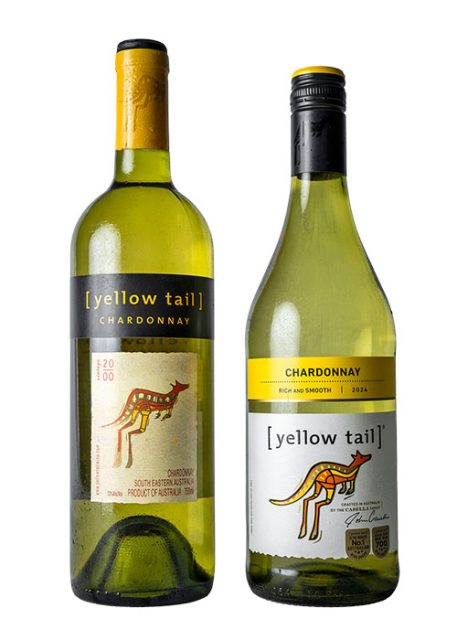
Casella Wines, the family-owned business behind Yellow Tail, has reported a AU$5.5 million loss for the latest financial year, as reported by ABC News. This compares with a profit of $18.6 million in 2024 and $26.5 million in 2023, according to the same report.
The shift reflects what managing director John Casella described as mounting pressure across the wine and drinks sector. He said the business had faced “rising input costs across the supply chain, including raw materials, energy and freight, alongside higher interest rates, foreign exchange volatility, and the impact of US tariffs”.
US market proves difficult
The United States, long the cornerstone of Yellow Tail’s international success, has become more challenging. According to John Casella, the market has been affected by a 10 per cent tariff and declining demand for imported wine.
“This softness has been offset by growth across other key regions, including the UK, Europe, Asia, Canada and Australia, resulting in increased overall sales across our major markets,” he said.
Trade reporting adds further context. US sales fell by about 17 per cent, according to industry coverage of the company’s filings, while rising costs for raw materials have added tens of millions to expenditure, as reported by Wine Business Magazine and The Australian.
Balance sheet strain and debt increase
Financial accounts lodged with the Australian Securities and Investments Commission show that Casella Wines increased its debt by around $170 million. The same filings indicate the company breached a debt covenant tied to its fixed charges cover ratio at 30 June, before receiving a waiver from its bank in November.
Despite this, John Casella maintained a steady tone. “Our message to grape suppliers and employees is that the business is financially stable, and we remain confident in our future,” he said.
Partner Content




Industry malaise spreads to growers
The company’s results sit within a broader contraction in the Australian wine sector. Falling consumption and oversupply have weighed on prices and margins, particularly in inland regions such as the Riverina.
Casella Wines is a major buyer of grapes from the Murrumbidgee Irrigation Area, and its financial performance carries consequences for growers. The vineyard area in the region has declined sharply in recent years as producers exit or reduce plantings.
Industry representatives have called for government support to manage the imbalance between supply and demand, including funding to help growers transition out of wine production.
A more uncertain outlook
While growth in markets outside the United States offers some support, the near-term outlook remains difficult. Higher borrowing costs, currency movements and trade barriers continue to weigh on exporters, particularly those with large exposure to entry-level wines.
Casella Wines has presented itself as resilient, but its latest figures reflect a business adjusting to less forgiving conditions than those that once carried Yellow Tail to global prominence.
Wider industry context
The pressures facing Casella Wines form part of a broader upheaval across the Australian wine sector, where a wave of executive changes, restructurings and investor losses reflects one of the most difficult periods in its modern history, as reported by the drinks business. The industry has been hit by oversupply, climate events and shifting consumer preferences, while major groups such as Treasury Wine Estates and Accolade have faced falling sales, asset write-downs and strategic resets.
At the same time, producers are attempting to adapt by moving away from heavier, high alcohol styles towards fresher wines and lower alcohol formats, while also responding to declining demand among older drinkers and changing habits among younger consumers. Despite this turbulence, some in the trade point to growth in mid-priced and premium segments and argue that Australia retains the capacity to adjust, particularly through innovation and a renewed focus on consumer-led winemaking.
Related news
The winery betting on the ‘next chapter’ for cool-climate Australian wine
Australian wine harvest falls to 25-year low
‘We make a wine for that’: Australia to relaunch national campaign


