



Pata Negra rosé blends innovation with tradition
García Carrión-backed label Pata Negra’s Ribera del Duero Rosé is a modern example of Castilla’s rosé revival.
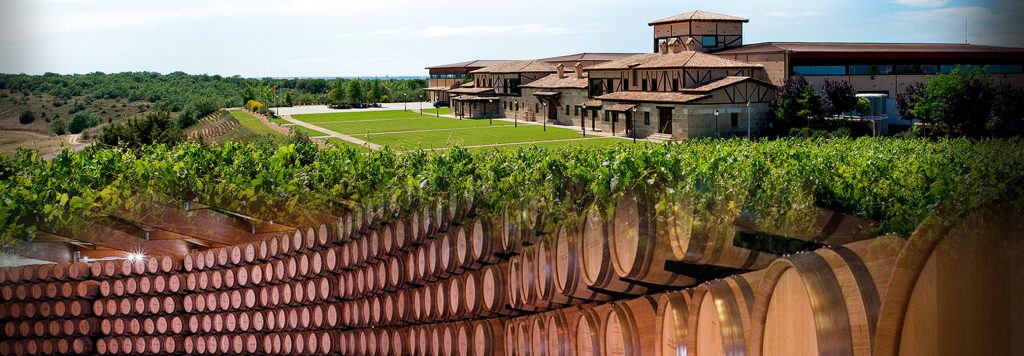
As rosé wines undergo a significant transformation towards more complex and expressive styles, Pata Negra Ribera del Duero Rosé stands out as a blend of innovation and tradition. Produced at Viña Arnáiz winery and backed by the expertise of the García Carrión group, the wine offers a modern interpretation of rosé from a Spanish winemaking region historically known for its powerful red wines.
Situated in the heart of Castilla y León in northwestern Spain, Ribera del Duero is characterised by its extreme climate and diverse soils, primarily composed of sandy and reddish clays along the terraces of the Duero River. The region’s wines benefit from vineyard altitudes ranging from 750 to more than 1,000 meters, along with significant day-to-night temperature variations that slow grape ripening, helping to preserve freshness and enhance aromatic intensity.
Viña Arnáiz is dedicated to showcasing the character of its estate vineyards while also embracing innovative winemaking techniques that highlight the potential of Tempranillo in various styles, including rosé. As part of the García Carrión group – a family-owned company established in 1890 and now one of Europe’s leading wine producers – the winery is built on a foundation of tradition, technological innovation, and global reach.
Contemporary approach
The Pata Negra range aims to represent the identity of each wine region through expressive and accessible wines designed for contemporary consumers, while maintaining a strong connection to their origins.
Pata Negra Ribera del Duero Rosé is made exclusively from 100% Tempranillo sourced from Viña Arnáiz’s own vineyards. The wine is produced using the traditional saignée method, which involves separating the must from the skins after brief contact. This technique is said to result in a delicate colour and enhanced aromatic expression.
A defining aspect of the winery’s rosé production is a fermentation system known as ‘Super 4’, which gradually incorporates fresh must throughout fermentation. According to Viña Arnáiz, this method enhances primary fruit aromas, increases aromatic complexity, and contributes to greater volume on the palate through higher glycerol development. The result is a rosé with ‘remarkable’ texture, persistence, and structure.
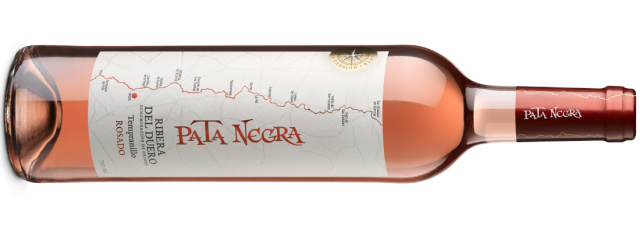
In the glass, the Ribera del Duero Rosé has a bright, pale strawberry colour and showcases fresh red fruit notes – especially strawberry and raspberry – alongside subtle floral nuances. On the palate, the wine is both intense and refreshing, fruit-driven and well-balanced, combining lively acidity with a rounded mouthfeel and distinctive personality. The rosé’s structure and freshness make it a versatile gastronomic partner, pairing well with salads, cheeses, smoked salmon, sushi, and various appetisers.
Pata Negra Ribera del Duero Rosé is said to exemplify the ongoing evolution of Spanish rosé toward more defined, structured, and food-oriented styles. By combining the character of Ribera del Duero’s Tempranillo, technical precision in winemaking, and a commitment to innovation, the wine highlights the dynamic transformation of the category. Beyond its immediate freshness, it represents a new understanding of rosé in Ribera del Duero – not merely as a seasonal wine, but as a contemporary expression of place, identity, and modern winemaking vision.
Related news
Patrick Schmitt MW: Don't dilute rosé's success


