



Belgian wine passes four million litres for first time
Belgian wine production has rebounded strongly after a difficult 2024 as vineyard area and grower numbers continue to expand. Figures from the Belgian Economy Ministry show a sector gaining scale while still dominated by white and sparkling wines, not unlike English wine.
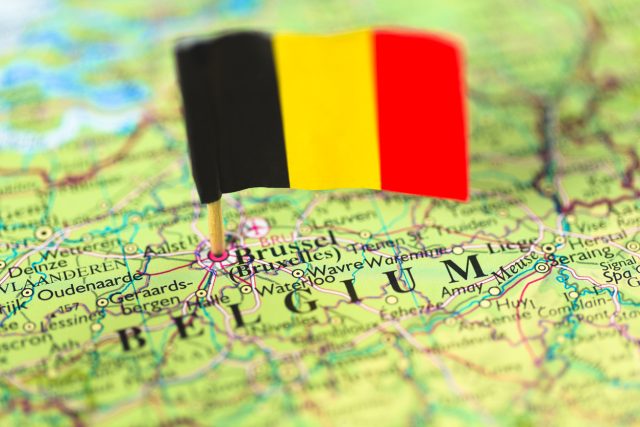
Belgium has long been associated with beer. Wine, however, is beginning to demand attention.
According to figures from the Belgian Economy Ministry, national wine production reached 4.3 million litres in 2025, the first time the country has surpassed the four million litre mark. The total stands roughly a quarter higher than the previous record set in 2023.
The result represents a striking turnaround from 2024, when poor weather curtailed production; output that year fell to 1.2 million litres, a drop of 64 per cent compared with the previous vintage.
Weather conditions improved considerably in 2025, which allowed growers to harvest a far larger crop. The Belgian Economy Ministry also points to the role played by maturing vineyards. According to the ministry, “Young vines yield only a limited harvest in their first years. Only after five years are they mature enough for a full yield. The yield should therefore increase year after year.”
Vineyards expand as sector gathers pace
The figures arrive as the Belgian wine sector continues to widen its footprint; the country now counts around 350 winegrowers, including professional estates and amateurs. That total represents roughly 30 more producers than the previous year.
The vineyard area has also grown, plantings increased from 958 hectares to 1,040 hectares over the same period, indicating steady expansion rather than a sudden surge.
Regional differences in production
The geography of Belgian wine remains uneven. For instance, Flanders now has slightly more vineyard land than Wallonia, with 551 hectares compared with 490 hectares. In spite of that, Walloon producers generate the largest share of wine overall. Wallonia produced 2.44 million litres in 2025, while Flanders accounted for 1.83 million litres.
Partner Content
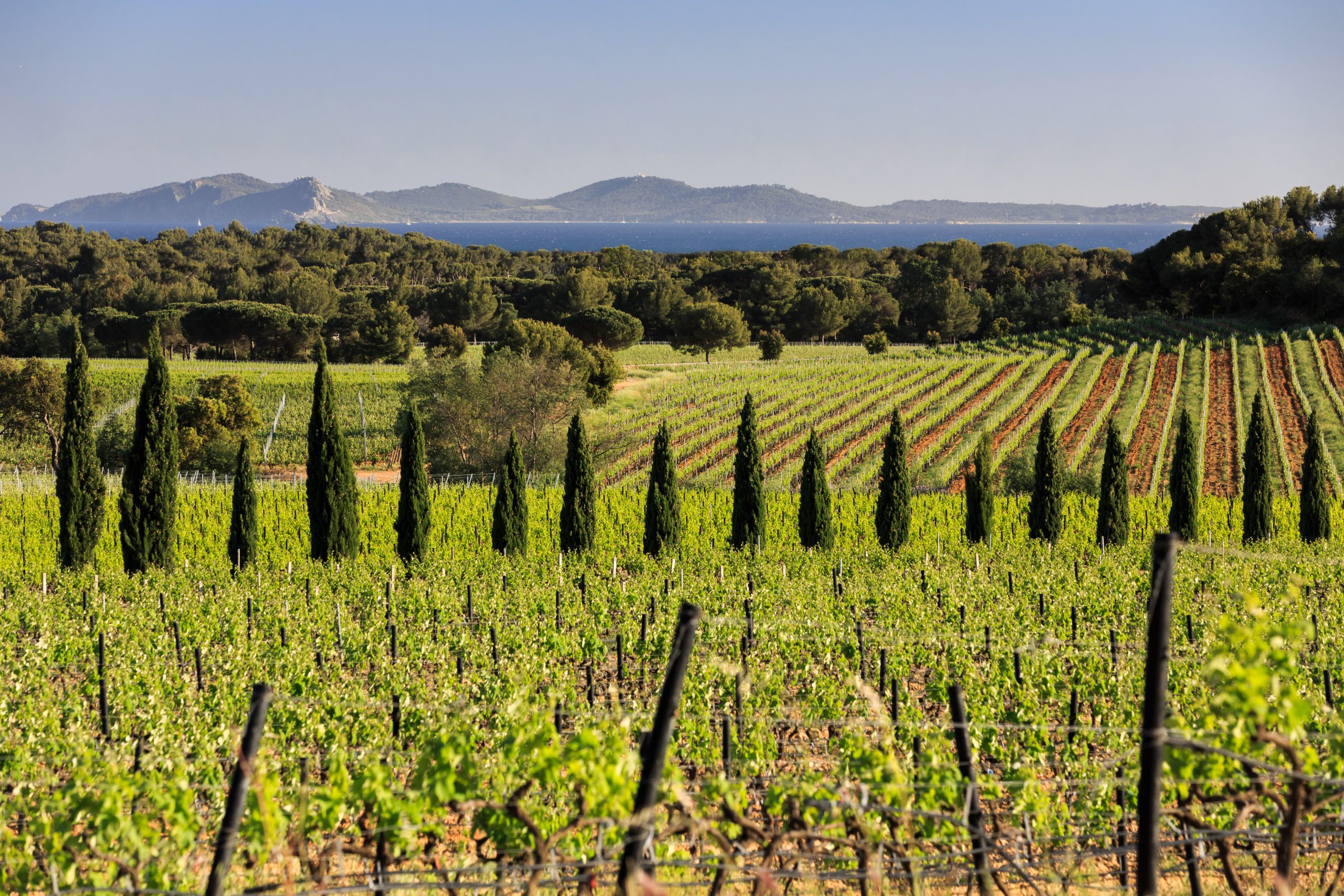
The Belgian Economy Ministry attributes this contrast largely to stylistic focus. “The difference in production lies in the focus: Wallonia focuses heavily on sparkling wine, which generally yields a higher return per hectare because grape growers can plant the vines twice as close together (approximately 10,000 vines per hectare). In Flanders, production is more diverse, and the share of still wines is higher,” the ministry said.
At the provincial level, Hainaut remains Belgium’s largest producing area with just under one million litres recorded in 2025. In Flanders, Limburg produced more than 574,000 litres, followed by West Flanders with nearly 544,000 litres.
White wine dominates the national output
Belgium’s production profile continues to favour white grapes and sparkling styles. More than 2.1 million litres of sparkling white wine were produced in 2025 alongside nearly 1.5 million litres of still white wine. By comparison, red wine accounted for 441,000 litres while rosé reached 124,000 litres and sparkling rosé 117,000 litres.
Chardonnay remains the most widely planted and used grape variety. Wines made from Chardonnay totalled nearly 1.3 million litres, which is more than three times the volume of the next most common blend of Chardonnay, Pinot Meunier and Pinot Noir.
The ministry also draws attention to the increasing use of resistant hybrid varieties: “The advantage of these varieties is that they are more resistant to diseases and fungi, meaning fewer pesticides need to be used.” Among the varieties cited are Johanniter, Souvignier Gris and Solaris.
Orange wine emerges as a niche category
Orange wine appeared as a separate category for the first time in the official data with a recorded volume of 10,000 litres. The style is produced through skin contact fermentation using grapes typically destined for white wine. All recorded orange wines came from Flanders. Walloon producers are experimenting with the style according to the ministry, though it is usually classified as white wine within their reporting. For the moment, the category remains marginal within the wider Belgian wine landscape.
Comparisons with the English wine story
The pattern bears some resemblance to developments seen across the Channel. As reported by the drinks business, WineGB’s 2025 harvest report revealed a sharp rise in production in England and Wales following favourable weather conditions. Data from the Food Standards Agency cited by WineGB recorded a 55 per cent increase in UK wine production compared with 2024, reaching 124,377 hectolitres, which equates to more than 16.5 million bottles.


