



India tightens rules on high-alcohol oral medicines to curb misuse
India has tightened regulations on oral medicines containing high levels of ethyl alcohol, requiring many of them to be sold only on prescription in a bid to deter misuse.
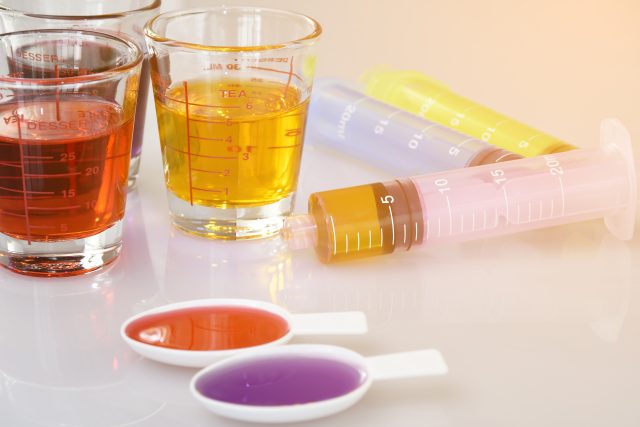
Under an amendment to the Drugs Rules, 1945, oral medicinal formulations containing more than 12% ethyl alcohol and sold in bottles larger than 30ml will now be classified under Schedule H1, a category of medicines subject to stricter controls.
As part of the stricter rules, the tinctures will be sold only via prescription. Additionally, manufacturers will also now require a drug licence to sell them.
The change, announced through the Gazette of India, follows concerns that some alcohol-based medicinal preparations, including certain cough syrups, tonics and herbal tinctures, have been misused when sold over the counter.
Stricter measures
Schedule H1 was introduced in August 2013 through a government Gazette notification to impose stricter controls on medicines considered more prone to misuse than those covered under the existing Schedule H category. These include certain antibiotics, habit-forming medicines and drugs used to treat tuberculosis, according to the Ministry of Health and Family Welfare.
Partner Content


Schedule H1 medicines cannot be freely purchased without a prescription. Pharmacies will be required to dispense the products only against a valid prescription from a registered medical practitioner, maintain a separate register of all sales and retain prescriptions and dispensing records for at least three years for regulatory inspection.
The decision to add high-alcohol oral medicines to the list follows recommendations from the Drugs Consultative Committee (DCC) and the Drugs Technical Advisory Board (DTAB), which reviewed concerns over the abuse potential of alcohol-containing medicinal formulations.
Officials said the decision was also influenced by complaints from several states, including Uttar Pradesh and Madhya Pradesh, where authorities alleged that some oral medicines were being consumed as substitutes for alcoholic drinks.
By bringing these formulations under Schedule H1, the government hopes to limit inappropriate consumption while ensuring that patients with legitimate medical needs continue to have access under medical supervision.
Related news
Six new Master Sommeliers announced
Are fine-wine collectors one and the same around the world?
Pioneering Malaysian brewery cleared of smuggling suspicions after police probe


