



Wanderlust bets on Sardinia as demand shifts to Italy’s lesser-known regions
Wanderlust Wine has been appointed exclusive UK importer for Sardinian producer MESA, with the distributor arguing that sommeliers are moving beyond Italy’s established classics in search of more distinctive regional wines. Speaking exclusively to the drinks business, founder Richard Ellison said growing curiosity among consumers has created fresh opportunities for indigenous varieties such as Vermentino and Carignano.
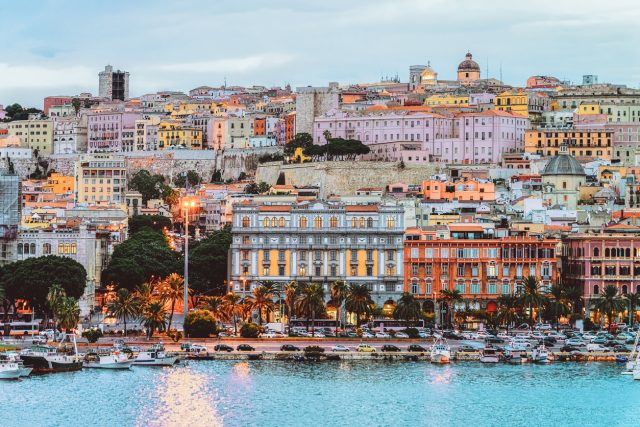
MESA, part of Herita Marzotto Wine Estates, has appointed Wanderlust Wine as its exclusive UK importer, bringing its flagship Giunco Vermentino di Sardegna DOC and Buio Carignano del Sulcis DOC to restaurants, bars and hotels across Britain.
The Sardinian producer, founded in 2004 by creative visionary Gavino Sanna and based in Sant’Anna Arresi in the Sulcis region of south-west Sardinia, has developed an international reputation through its focus on indigenous varieties including Vermentino, Carignano and Cannonau.
Speaking to the drinks business, Wanderlust founder Richard Ellison said the appointment reflects a broader change in what buyers and consumers now want from Italian wine.
“We work directly with small, family-run estates across Sardinia, Sicily, Campania and Friuli, and we’ve watched demand for these wines climb steadily over the past few years,” he said.
“UK sommeliers built their Italian lists on the classics for decades, safe, recognisable, easy to sell. But that market is saturated now. Every wine list has a Super Tuscan. Every list has a Chianti. Sommeliers want something their guests haven’t already had three times this year.”
Coastal wines on the rise
Ellison said Wanderlust had been actively looking for another premium coastal Italian producer before agreeing the partnership.
“Wanderlust has seen very strong, consistent demand for coastal island wines, especially those with volcanic elements which help with the overall structure of the wine and premium on-trade storytelling,” he said.
“MESA was a great fit for us, being a Mediterranean island wine right on the south-west coast of Sardinia.”
The winery already had recognition in the UK through previous distribution, giving Wanderlust what Ellison described as “a rolling start”.
“The winery has previously been distributed and so had a brand that has been known, seen and appreciated. We could then take what is a ‘rolling start’ and, with the fantastic, well-priced wines they have, bring them to our customer base.”
“We had an opening for more Italian coastal wines in the circa £12 range. After we got to know the team and the history, MESA was a clear fit.”
Sardinia’s strengths
For Ellison, Vermentino remains one of Italy’s most dependable food wines.
“Vermentino has been ‘one of those grapes’ that always seems to deliver to food-led venues where they need wines to stand up in structure, acidity and balance,” he said.
Partner Content

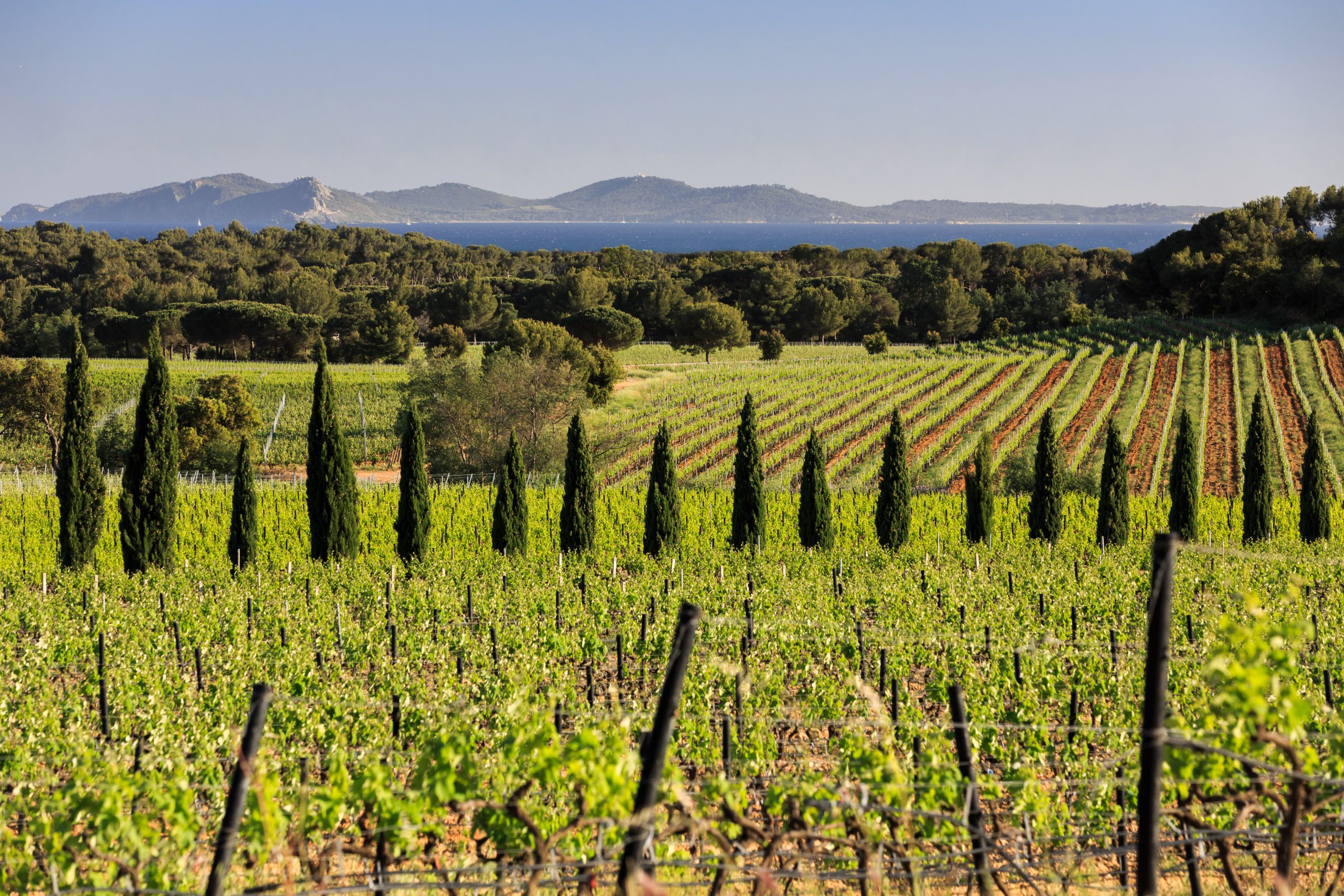
“We have versions from a range of growing regions. However, Sardinia for us makes some of the best expressions of the grape. The hot but wind-swept maritime climate, combined with well-draining granite soils and a drought-tolerant, acid-retaining grape variety, lets Vermentino ripen fully while keeping the freshness, minerality and salinity.”
Carignano, he suggested, relies more heavily on the producer behind it.
“Carignan(o) in our opinion has been more to do with who makes the wine. Carignan’s naturally high tannins and acidity can push styles toward rustic earthiness unless growers use low-yielding vines and full ripeness to concentrate fruit. MESA’s quality shone through for us, with careful winemaking coaxing out fruity, delicious characters.”
Looking beyond the classics
Ellison believes curiosity has replaced familiarity as the driving force behind many wine lists.
“That’s why we think regions like Sardinia have grown in popularity,” he said.
“Vermentino di Gallura offers salinity and minerality that Pinot Grigio simply doesn’t have. Grillo and Carricante from Sicily bring volcanic soils and real freshness. Falanghina from Campania has ancient roots and genuine character.”
“Wine drinkers are more curious now, helped along by wine bars where you can be comfortably curious, wine podcasts and social media, and a general fatigue with big-brand uniformity.”
“People want to know who made their wine and why it tastes the way it does. A grape variety they’ve never heard of is a selling point, not a barrier.”
Building the brand
Wanderlust now plans to concentrate on rebuilding MESA’s presence in Britain’s premium on-trade.
“Our ambition is to continue building MESA’s presence in the on-trade, previously distributed by Bibendum, re-focusing on the premium sector, increasing brand visibility and securing high-quality listings that reinforce MESA’s premium positioning,” Ellison said.
“We expect to see organic growth over the next 12 months, driven by targeted activations and growing consumer interest in authentic regional Italian wines.”
He added: “MESA offers a distinctive combination of authentic Sardinian identity, contemporary branding and consistent high-quality winemaking. The winery is deeply rooted in the island’s culture and terroir, in the up-and-coming Sulcis region, a true ‘diamond in the rough’ and one of Sardinia’s most unspoiled wine-growing areas. Its portfolio showcases indigenous varieties such as Vermentino and Carignano in a modern, approachable style.”
The appointment also reflects Wanderlust’s continued expansion of its Italian portfolio. In announcing the partnership, MESA export director Giacomo Marzotto said the estate’s wines were “approachable and distinctive”, combining Sardinian heritage with a modern vision, while Ellison described the producer as “exactly the kind of producer we set out to work with”, praising its family ownership, regional identity and commitment to indigenous varieties.
Related news
Don't miss db's Italy Report 2026, out now


