



Filu ‘e Ferru: Sardinia’s secret spirit
Those heading to Sardinia this summer may like to seek out the local ‘vine water’ for a potent yet traditional slice of the island, writes Declan Ryder.
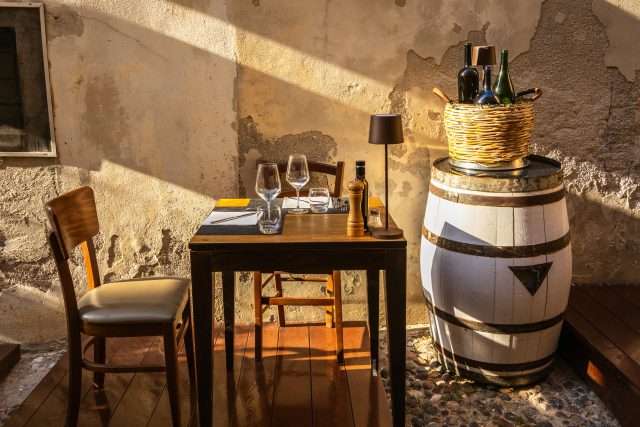
While the Italian island may be primarily known for its glorious coastlines, it’s in the drinks lists of local bars and trattorias that the real magic lies. Here you’ll be faced with myriad unusual and delicious aperitifs, from Mirto, a bittersweet liquor made from the berries of the native myrtle bush, to local amari.
Perhaps the most interesting item to be discovered, though, is known as “Filu ‘e Ferru”. Having undergone a strict prohibition in the late 19th century, the beverage stands as perhaps the most storied, and least known, gem that Sardinia has to offer.
What is it?
Filu ‘e ferru is a traditional Sardinian spirit made from grapes grown on the island. In most cases it is distilled from marc, a spirit made from the residue of the skins and seeds of winegrapes.
At Santu Lussurgui, though, the spirit’s most famous producer, filu ‘e ferru is distilled from wine, as the vineyards in the area tend to over-yield.
The spirit is commonly infused with fennel seeds, to soften the pungent flavour. The result is a completely transparent liquid that is as strong on the nose as it is on the taste buds.
The drink operates under many names. Locals often refer to it simply as “acqua vita” (vine water). It’s also sometimes referred to as “abbardente” (meaning ‘water that burns’), an ominous label that probably has something to do with its near-50% ABV.
Prohibition before the one we know
Prohibition typically connotes images of American gangsters and vibey jazz bars. Half a century before the roaring 20s, however, a completely different form of prohibition was taking place on the Italian island of Sardinia.
In 1874, the Savoy Kingdom, which then ruled over the island, forbade the domestic distillation of filu ‘e ferru for commercial sale. By this point there were around 40 distilleries in Sardinia – all of which were forced to close down their operations at once.
Partner Content
Adamant that their heritage should not be discarded so casually, the locals had to get creative.
Although mass-scale, overt production had to shut down, families began the process of turning cellars and storerooms into secret distilleries, shrouded from the public eye. Almost overnight a spectacular clandestine operation was underway.
Iron wire
The name of the spirit itself, filu ‘e ferru (or “iron wire”) recalls the inventive means in which locals would hide their booze. Authorities would regularly check homes, so, to evade detection, producers would bury alcohol stills underground in orchards, woods or inside pumpkins, marking the spot with a long stick of iron (filu ‘e ferru) so they could be easily recovered.
While men tended to the fields, filu ‘e ferru production in Sardinia, particularly at this time, was a woman’s game. At first, huge pots of copper, traditionally for milk, were used and sealed with flour dough to heat the wine. Later, women turned to copper stills.
The spirit was produced and consumed in this way for almost a century, only breaking out of its status as an illicit moonshine in the 1960s, when Italy relaxed and reorganised its distillation and licensing laws.
Filu ‘e ferru today
While this traditional practice of domestic production endures in rural Sardinia, both the spirit and its story are now proudly celebrated as a rich part of the island’s heritage.
Sardinians are bred on the stuff – they have it for breakfast, as a post-nap energy injection, a digestive, and to wish the dead farewell at funerals.
Above all, Filu ‘e ferru thrives as the drink of “cumbidare” – the art of celebrating special events and welcoming guests into your home.
Related news
Italy launches new 'crisis fund' for winemakers in Trentino


