



Alentejo: lessons from the front line of climate change
Beyond its impact on the local environment, Alentejo’s sustainability drive is also having a profound – and sometimes surprising – effect on the region’s wines, reports Richard Woodard.
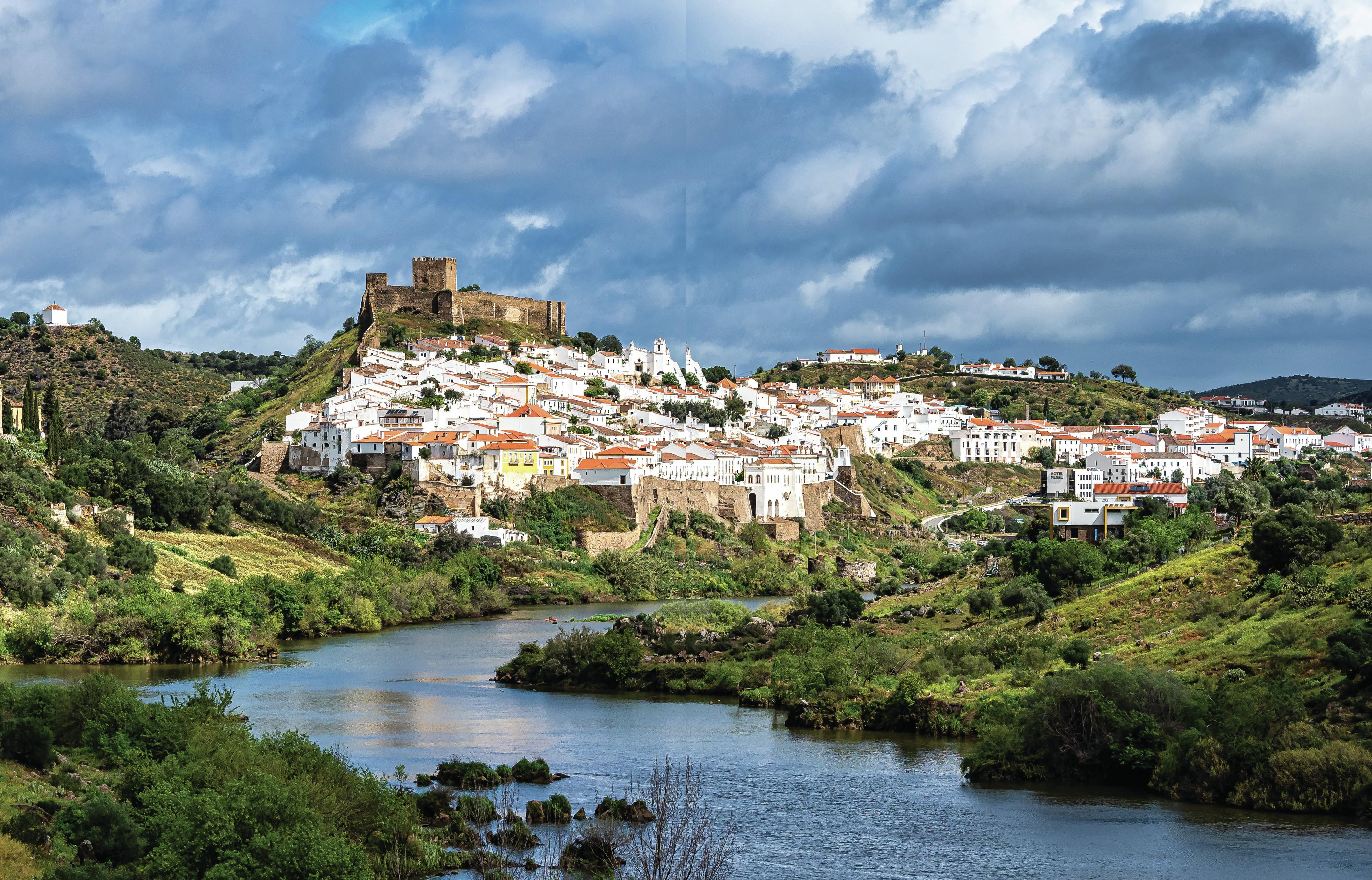
The scale of Alentejo, Portugal’s biggest wine region by area and roughly the size of Belgium, is evident in the numbers: 23,000 hectares of vineyard, accounting for 12% of the country’s total; 245 wineries, 86 grape varieties, 60 soil types.
Beyond that breadth and diversity, Alentejo also finds itself on the front line of wine’s battle against climate change. In this sun-baked part of Portugal, where the hot winds blow fiercely through the summer, the talk is of ‘desertification’ – not only of the land itself, but also in demographic terms, as people forsake rural areas in search of better economic prospects.
Hallmarks of sustainability
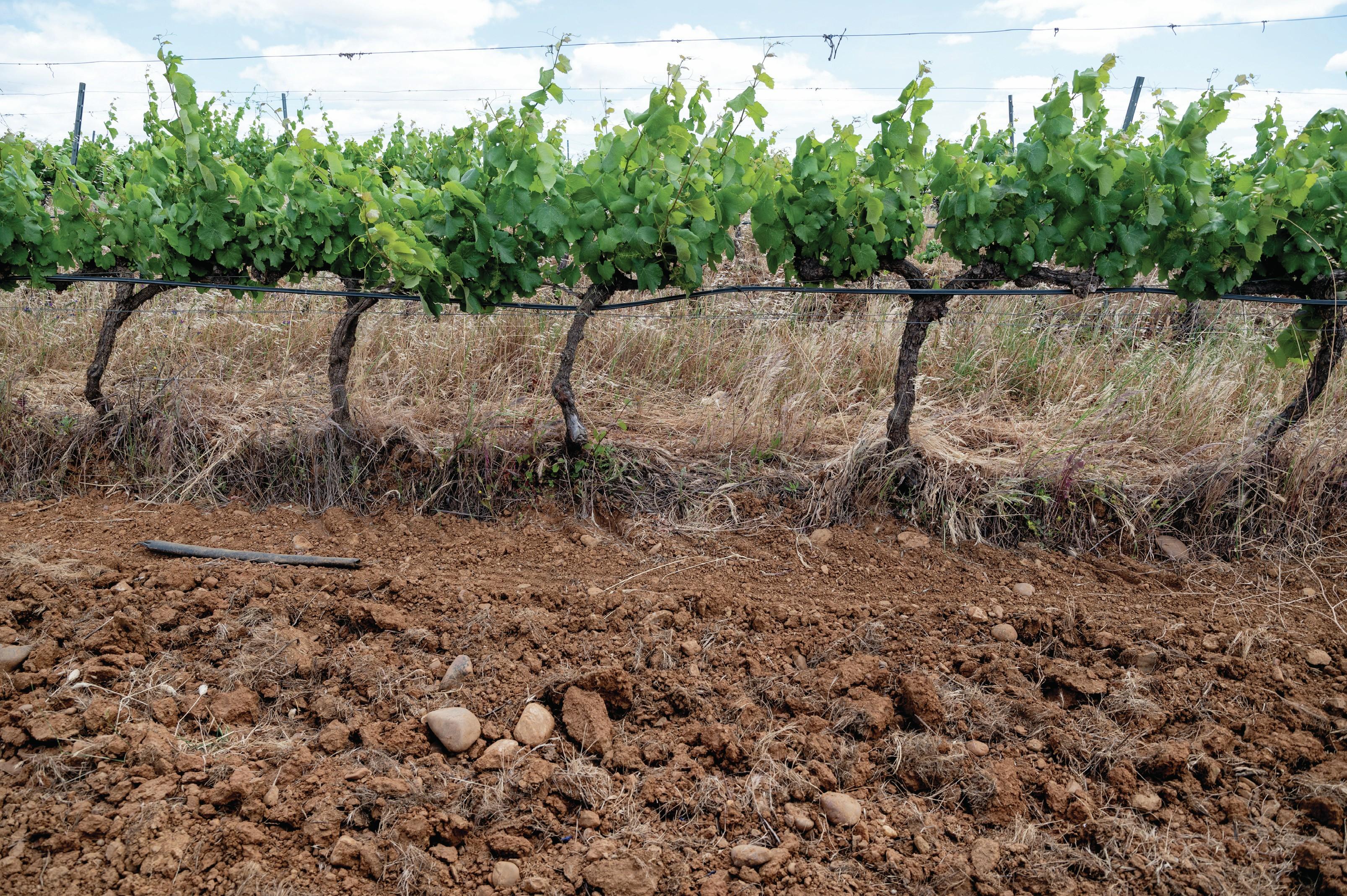
Walk through Alentejo’s vineyards and you can’t miss the hallmarks of sustainability, from the cover crops between the rows to the bat boxes on the trees and the sheep that roam the vines in winter. This philosophy takes formal shape with WASP – the Wines of Alentejo Sustainability Programme – which offers a comprehensive sustainability blueprint that other winemaking areas might do well to emulate.
The results permeate the region, from Tapada de Coelheiros planting new vineyards near water sources to avoid having to use irrigation, to Herdade do Peso’s employment of drones to conduct thermal readings of each plot, analysing which plants are under the most hydric stress. At Herdade do Sobroso in the Vidigueira sub-zone, forecast stations and information related to grape variety, precise vine location and vegetative cycle are used to programme irrigation regimes and save water. Regenerative practices – in the broadest sense – are increasingly prevalent.
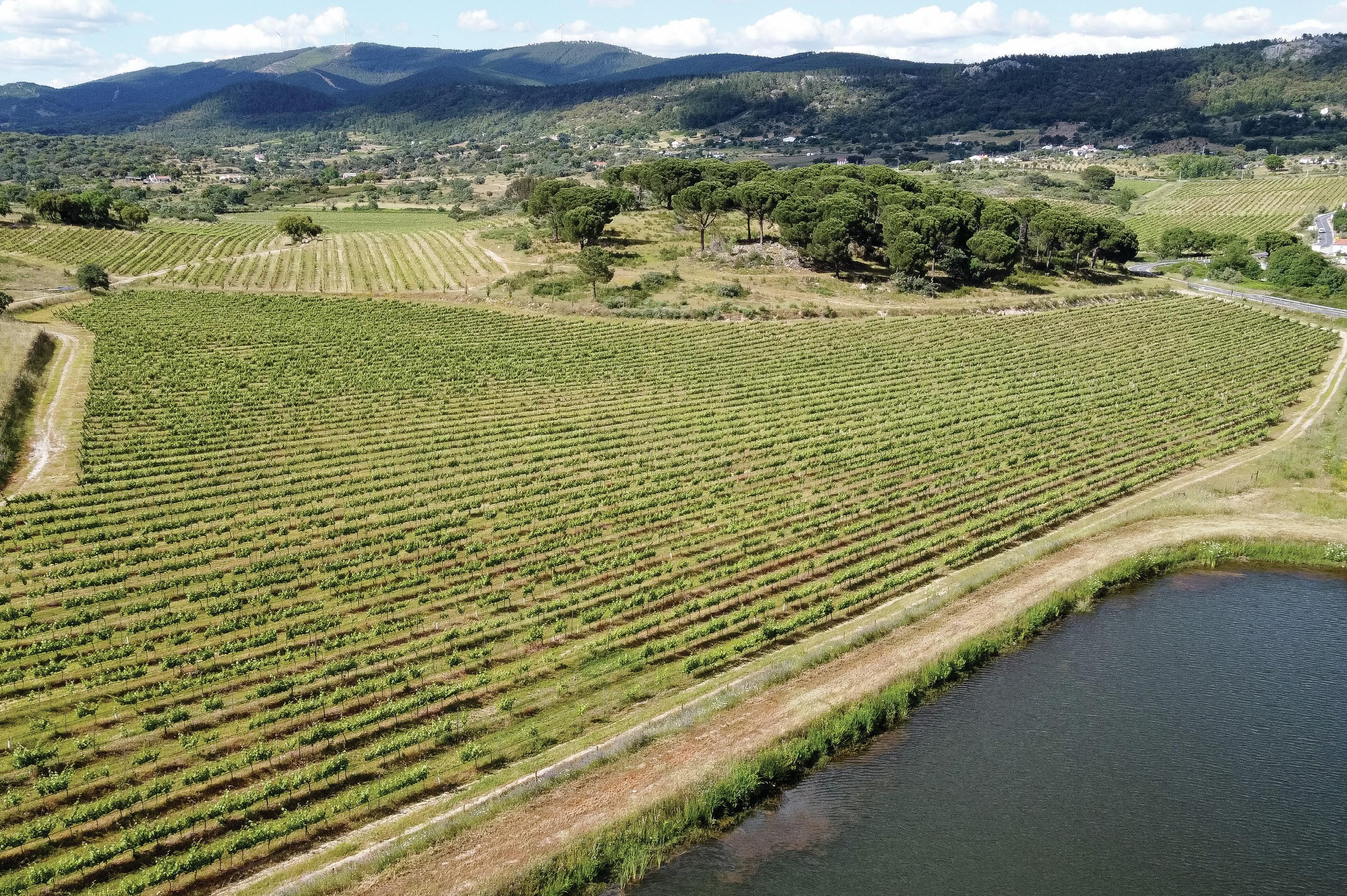
When Sobroso’s 1,600ha estate (of which only 60ha is vines) was acquired, the non-native eucalyptus trees were ripped out, and more than 600,000 cork oaks planted. At Herdade Aldeia de Cima, bought by Américo Amorim 30 years ago and now run by his daughter Luísa, 20,000 cork oaks were planted across the 2,500ha estate.
Sogrape bought Herdade do Peso in 1997, replanting only 60% of its vineyards and converting the rest into biodiversity corridors, introducing 36 species that were native to the region before 1940 – some of them trees that will not reach full maturity for 35 years.
“We only released the estate wines in 2022,” explains senior brand lead Camila Xavier. “Our estate wines took us 25 years to release because we wanted to make sure it worked. There were times when people in the company thought it would not.”
Commitment and nerve
Sustainability requires commitment and nerve. At Adega Mayor in Portalegre, head of viticulture Francisco Pessoa wants to farm organically, but without using copper, conscious of the damage it can do to vines and soil. But, even with the use of bio-stimulants, botanical extracts and sap analysis, a peronospora outbreak cut production by 75% in 2025.
“Last year for us was a defining moment,” says Pessoa. “Everybody was saying: ‘Stop with the organic; you have to go the other way.’ I said I don’t want that, but I’m only a worker. Rita [Nabeiro, CEO] said: ‘It can’t happen again, but we try again.’”
Financial considerations can hinder the spread of environmental practices. WASP encourages not only wineries, but also their suppliers, to be sustainable, but JP Ramos winemaker João Maria Portugal Ramos says there are limits. “If you have 15ha of vineyard, it’s easy to justify the investment,” he points out. “If it’s 3ha, it takes too long to make [a return on] the investment. So it’s hard to make it 100% of your suppliers.”
At Esporão, where two neighbouring properties total 600ha of vines, 200ha have been removed in favour of olive trees and biodiversity-friendly shelters. The idea, according to CEO José Luis Moreira da Silva, is to have a “more balanced area” in place of the previous monoculture.
Local heritage
The aim is enhanced resilience, but there are other positives. There’s a move away from international grape varieties, embracing a local viticultural heritage that encompasses a plethora of distinctive cultivars, often – in the case of older vineyards – planted in hotch-potch field blends of red and white grapes. This shift is partly pragmatic: in the heatwave year of 2018, recalls Adega Mayor’s Pessoa, the French varieties – Syrah, Alicante Bouschet and Durif (aka Petite Sirah) – couldn’t cope.
At Herdade do Rocim in Vidigueira, winemaker Vânia Guibarra has two rows of Carmenere and some Syrah, but is sceptical about their potential. “If we want to replant something, we want Trincadeira or Aragonez [Tempranillo],” she says. “We have poor land, so low quantity, high quality. You need a strong variety when it is 45o C some years.”
Pioneering practices
Esporão was a pioneer in this area. In 2011, conscious of the changing climate, the company planted an ampelographic field: 189 grape varieties, farmed in three different ways – with adequate water, under moderate stress, and dry-farmed. The results have informed the company’s planting practices, and Moreira da Silva is clear about the conclusions: “The best, most resilient grape varieties are the old ones,” he says. “Trincadeira and others – long-cycle varieties. When you have bigger berries, they are more resilient.”
Star performers include Antão Vaz and Arinto among the whites, and Trincadeira, Aragonez and Alicante Bouschet – an adopted exception to the native rule – for the reds.
“Arinto is a very versatile variety,” says Herdade do Peso winemaker Madalena Gonçalves. “Whether you work in Lisbon or Alentejo, it responds differently to the climate and soils. That way you can direct the variety to the profile you want to get.
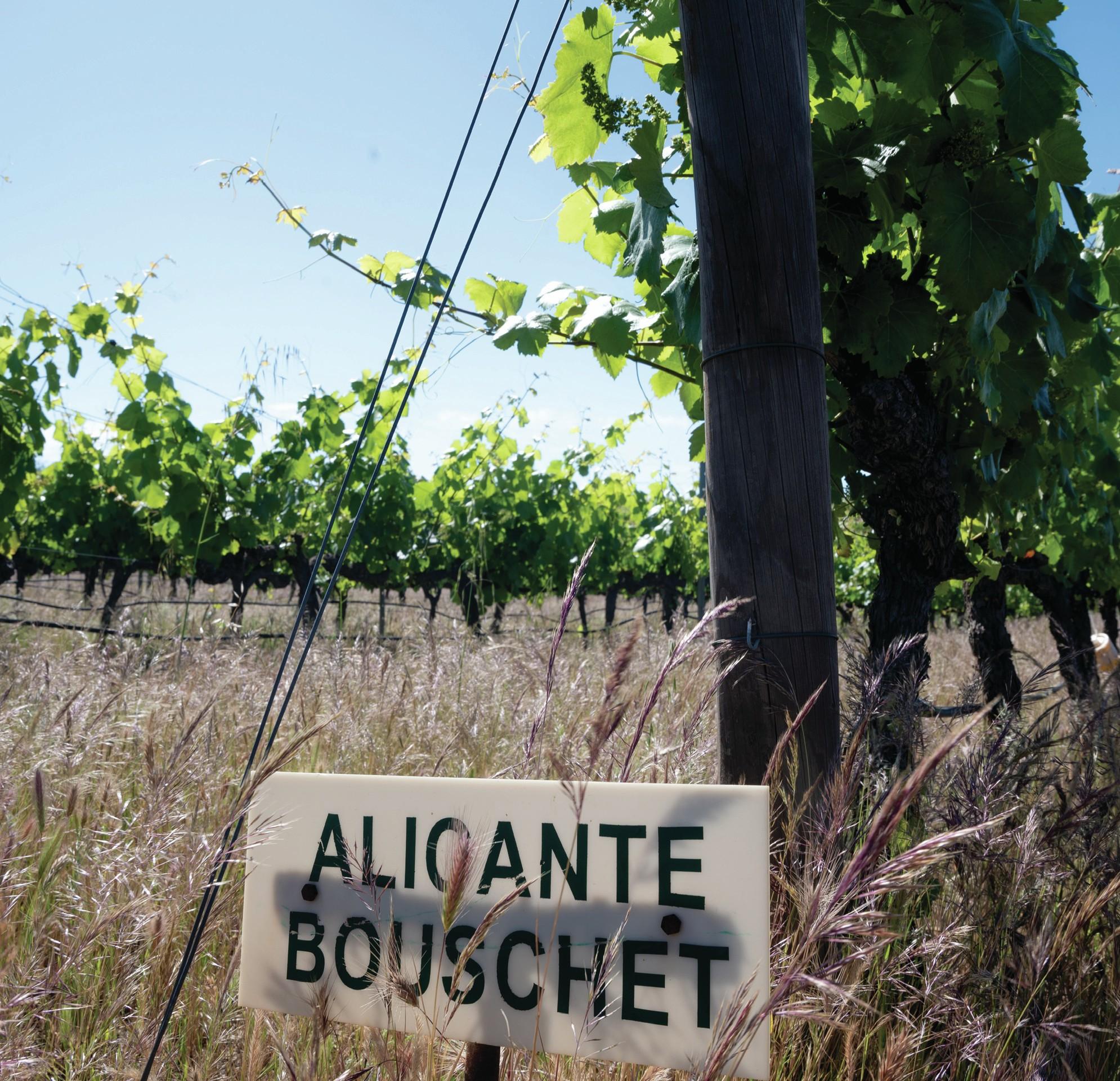
“Alicante Bouschet is the most planted variety we have. As with Arinto in the white varieties, Alicante Bouschet responds to what you do in the vineyard. You can work this variety with high or low yields; depending on the exposure you have or the management you do during the cycle, it responds and turns out in different profiles.”
Arinto “like Alvarinho”
For Tapada de Coelheiros winemaker Luís Patrão, one of the chief benefits of Arinto and Antão Vaz is that “it’s hard to pick them above 13%”, while Adega Mayor winemaker Carlos Rodrigues likens Arinto both to Alvarinho – because of its high acidity and citrus flavours – and to Riesling; if worked reductively, it can conjure petrol-like aromas. But this handful of varieties is merely the beginning.
At Altas Quintas in Portalegre, winemaker Diogo Vieira sources fruit from old vineyards in the Serra de São Mamede dating back over a century, including Bical for the whites and Aragonez, Trincadeira, Castelão, Alicante Bouschet and Touriga Nacional for the reds.
“Most of the old vineyards are from small producers making wine for themselves,” he says.
The majority of Alentejo’s vines were planted after Portugal entered the EU in 1986, but not here. António Maçanita’s Fitapreta project is a specialist in this area, with 100ha of vineyards owned or rented, and no irrigation. The winery’s Os Paulistas white wine, sourced from a vineyard planted in 1969, is a field blend of Roupeiro, Alicante Branco, Tamarez, Rabo de Ovelha and more.
Meanwhile, Fitapreta’s Tinta Carvalha red takes rarity to a new level – there’s said to be only 4ha of it growing in the region.
“It’s a forgotten variety linked with Castelão,” explains winemaker Sandra Sárria. “It’s a native variety, very fresh and light-coloured, with spiced red fruit. The leaves look like Castelão, but the grapes are much bigger. This was what the Alentejo people used to drink – before Alicante Bouschet and Aragonez, this is what people had.”
Stylistic revolution
These rediscovered treasures are at the forefront of a stylistic revolution in Alentejo that is spawning a succession of idiosyncratic wines, including Esporão’s Fio da Navalha (razor’s edge) line, which has so far included a 104-variety blend from the ampelographic field, and an experimental Trincadeira made using carbonic maceration.
At Adega Mayor, Rodrigues has been pushing the envelope with the Esquissos (sketches) range, from a 9% ABV single-varietal Arinto to a biologically aged Pinot Noir (he’s a big Sherry fan) and a blend of red and white grapes taken from an 80-year-old mountain vineyard on the Serra de São Mamede.
Rodrigues also has a conventionally made Pinot Noir, picked at the end of July when part of the bunches is still green, bottled at 12.5% ABV in a light, pretty style. Then there is Fitapreta’s Morgado de Oliveira, a jaw-dropping multi-vintage 100% Arinto white wine priced at €150 a bottle, sourced from a relatively young organic vineyard (planted 2017) near Évora. The second release is mostly 2023, with wine also from 2022 and 2021. “When the first grapes arrived, I was: ‘Wow, what is this?’” recalls Sárria.
“Total acidity was at 9g/litre even though the grapes were ripe.” No sulphur or yeast is used in the winery, and fermentation can take a year, or as long as a year and a half. “It’s low-intervention winemaking,” explains Sárria with a wry smile, “but we have to do lots of analysis to make sure it’s safe. Nowadays we are very confident of doing these wines.”
Such examples grab the attention, but also illustrate the broader impact of a sustainability-focused approach that respects the history and unique qualities of the region while giving winemakers the freedom to explore and experiment. It’s perhaps harder than ever to pin down a single Alentejo wine style, particularly at a time when the region is producing such impressive white wines, delicate rosés from Touriga Nacional, and light, expressive reds that often tip the scales at 12.5% or 13% ABV. But does that matter?
“I think there are a lot of people, especially among the older generation, who are still doing the older style of Alentejo wines,” says Patrão of Tapada de Coelheiros. “Wines with lots of extraction, alcohol and oak. But I also think there is a new wave of producers trying more and more to do this kind of wine.”
Most importantly, Alentejo’s sustainability-first approach is not only yielding results in terms of vineyard health, and water and energy reduction; it is also improving the quality and diversity of the wine in the glass.
“Organic viticulture helps the vines and helps the wines,” says Esporão winemaker Ana Cruz. “I have worked with non-organic before, and I see the results. We think that the plants are more resilient, and this expresses itself in the wine.”
Final thought: What’s the buzz? The latest on WASP
Established in 2014, the Wines of Alentejo Sustainability Programme (WASP) has established sustainability as the calling card of the area; manager João Barroso reckons no other region has quite such an ingrained culture of doing the right thing by the environment, landscape and local community.
WASP has more than 700 members, with some 60% of Alentejo’s vineyard area enrolled in the programme. There are 35 certified producers, representing about 80% of production, who over the past five years have cut water consumption by 65%, and energy consumption by 50%. And there’s more to come: WASP has joined forces with the Regenerative Viticulture Foundation (RVF) to smooth the way for producers to gain regen certification, with plans to introduce the RVF’s One Block Challenge – a trial to show the benefits of regen – at the Adega de Borba cooperative.
Barroso is also keen to create a biodiversity bank, where polluting companies can invest to offset their emissions, and wineries can reap a dividend for their sustainability efforts, and is working with WWF Portugal on a project to investigate the costs and benefits of restoring natural land. Wines of Alentejo president Luís Sequeira contrasts the dynamics of Alentejo, where the average vineyard holding is 12ha, with those of the Douro (less than 1ha).
“In Alentejo there are not so many weekend farmers,” he explains. “Here, sustainability is sold much more as a USP that we must do. It’s a business-driven activity – there are no amateurs, only professionals.”
Related news
Can one brand simplify Portugal for UK wine drinkers?
What Portugal can do for the UK wine trade
Riccardo Cotarella makes first move into Portugal with Amorim Family Estates partnership


