



Why wine tourists should have Gavi DOCG firmly in their sights
Gavi DOCG is an experiential playground for tourists, boasting high-altitude nature trails, unrivalled gastronomy and contemporary wines from ancient lands. Discover why you should pay a visit to the northern Italian region this summer.
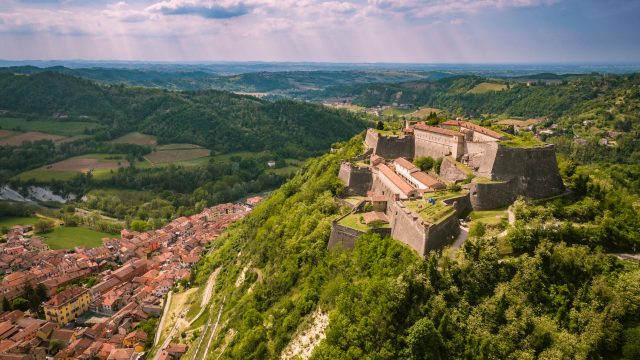
Picture the scene. You’re lazing on a terrace at golden hour watching the Piedmontese sun set over rolling hills, casting shadows onto the 11th century stone walls of the Abbey of San Remigio. You slowly swirl a glass of Gavi DOCG, releasing aromas of lemon zest, white flowers and juicy peach into the balmy air, and reach for a freshly baked focaccia, still-warm from the oven.
Such simple pleasures have been enjoyed in this corner of northern Italy for centuries, and yet continue to delight modern-day visitors to the region. The roots of Gavi wine may run deep – the earliest historical records of viticulture in Gavi date back to 972 AD – but it also fits seamlessly into contemporary life. According to Consorzio Tutela del Gavi president Maurizio Montobbio, “Gavi is a white wine that reflects a modern taste, defined by precision, freshness, and balance.
Between sea and plain
Producing around 14 million bottles per year across 1,600 hectares, Gavi was awarded DOCG status in 1998 and has been maintaining exceptional standards for its 100% Cortese wines ever since. Located between the sea and the plain, Gavi DOCG is not only home to some of the country’s most versatile white wines, it also plays host to majestic castles, picturesque villages, and sumptuous cuisine with a strong Ligurian influence.
The latter is a fine bedfellow for Gavi, which “is not for a single occasion, but can accompany an entire meal,” explains Montobbio. “Gavi is a wine that can be fresh and immediate in its youth, yet also complex and capable of evolving over time.”
Hence it pairs just as beautifully with a primo of fresh Raviolo pasta as it does with a savoury Torta di riso, a platter heaving with local cheeses or a stack of irresistibly amaretti biscuits that melt in your mouth.
To work up an appetite, nature lovers can explore the region by foot, horseback or mountain bike along trails that venture into the Apennines, offering endless views of the Ligurian Sea and the Gulf of Genoa from the peak of Monte Tobbio (1092 metres above sea level). There’s no shortage of incredible history to discover either, from the imposing Fort of Gavi to the crumbling remains of ancient Roman city Libarna.
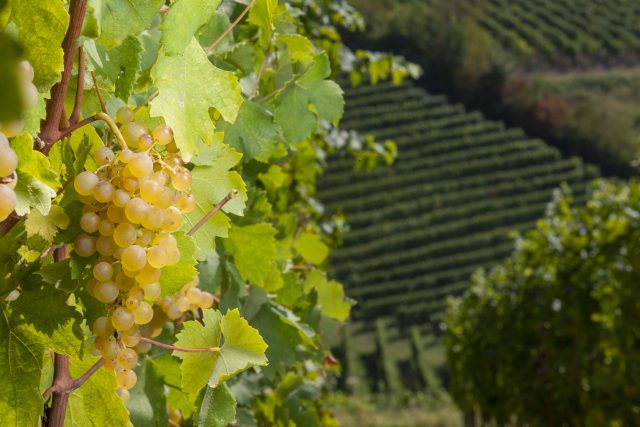
Wine tourism
According to Montobbio, Gavi’s wine tourism offering “has grown significantly in recent years”, thanks to increased investment made by individual wineries into hospitality and “creating experiences connected to wine and the identity of the territory.”
Certainly, wine tourism has become a well-established part of the denomination with most Gavi wineries now offering their own tours and tastings, albeit “with different approaches, scales, and styles,” he adds.
“The area’s hospitality offering is quite diverse, ranging from more accessible agritourism and B&Bs to wine resorts set within historic noble estates.”
Underscoring all, however, is a common ethos. “More than overt luxury, the defining characteristic of hospitality in Gavi is a sense of understated, authentic, and elegant welcome—something that perfectly reflects the character of the territory itself,” says Montobbio. “Gavi is a place that retains a discreet profile, with a strong local, gastronomic, and cultural identity.”
Much like its tourism offer, there is a Gavi wine to suit every taste. When young, Gavi wines reveal delicate notes of fresh fruit and white flowers as well as notes of citrus and bitter almonds and an enviable freshness. Aged Riserva wines bring something entirely different to the table, evolving into richer, fuller, more complex expressions with increased mineral tendencies, and often a touch of balsamic, alongside structured body and persistence.
Today’s consumers, Montobbio notes, are looking “for a combination of freshness, food-friendliness, and a strong sense of place—what we might call identity.
“At a moment when consumers are seeking drinkability, identity, and less excess, Gavi speaks a very contemporary language,” says Montobbio.

Related news
Gavi gets to grips with meteorological outlook


