



Mastiha: what is it and why is it gaining in popularity?
What do you picture when you think of a Greek island? Sun? Gyros? Amanda Seyfried frolicking down a sandy beach? On Chios, though, a UNESCO-protected cluster of twenty-four villages has been quietly producing something far more distinctive. Mastiha, the resin-based spirit made here for millennia, is suddenly gaining momentum with bartenders and drinkers worldwide – and positioning itself as Greece’s next breakout spirit.
What is mastiha?
Mastiha is a Greek liquor flavoured with the resin of the mastic tree. While the species grows throughout the Mediterranean and is cultivated as an ornamental plant globally, the only trees in the world that produce the resin itself exist in the southern part of one Greek island: Chios. It boasts a uniquely earthy and aromatic flavour profile, with notes of fresh pine, fennel and eucalyptus.
How is mastiha made?
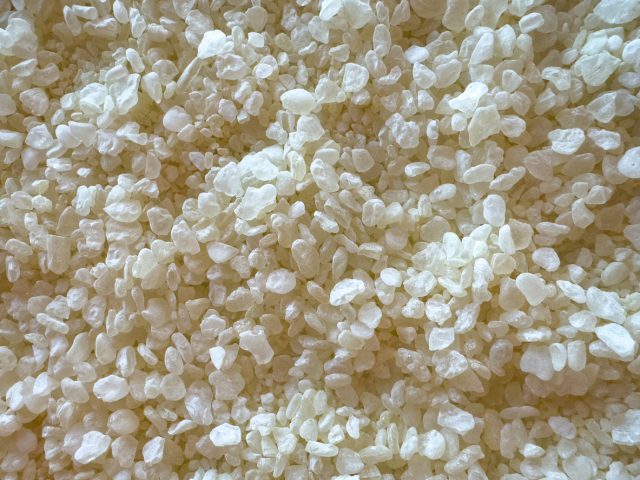
The mastiha resin is extracted according to a centuries-old practice involving a sharp tool (kentitiri), which is used to slice into bark. The resin forms tear-like droplets, giving rise to the tree’s nickname, “the crying tree”. The sap then dries and crystallises, before being distilled and combined with a neutral grain spirit to create the liqueur. Mastiha is typically served cold and neat, but is also being used in cocktails more and more in recent times.
History
The first references to mastiha on Chios date back 2,500 years in the work of Greek historian Herodotus, making it one of the world’s oldest beverages on record. Hippocrates recommended mastiha to cure digestive ailments and congestion, while Roman physician Galen prescribed it for bronchitis. Both the Greeks and the Romans also used it as an antidote for snake venom.
Partner Content


Health benefits
Though Greco-Roman approaches to medicine have by now been (largely) discredited, mastiha is still recognised as wielding a number of health benefits. Not only is it approved by both the Committee on Herbal Medicines and the European Medicines Agency for use in treating dyspepsia and skin inflammation, but it is also currently being studied as a remedy for nerve damage.
What is Axia and how is it giving rise to mastiha’s modern twist?
While mastiha’s popularity has long been restricted to Greece and its environs, there is an emerging brand intent on proving there is still life for the ancient drink beyond the Mediterranean. According to their website, “Axia reimagines millennia-old Mastiha-making techniques for the modern palette”. Axia is an extra-dry mastiha. Its alcohol content sits at 40%, compared to traditional mastihas, in which the ABV sits in the 20-30% range. While traditional mastiha is sweet and aromatic, Axia has a more complex botanical profile with notes of citrus and rose, making it a more effective substitute for gin or vodka in cocktails.
Though launching less than five years ago (July 2021), Axia is already making waves and not just in Greece. The brand can now be found in numerous high-profile bars and restaurants in London, from established city juggernauts like Dishoom to the grandeur of Raffles. Last August, it even took centre stage at Salon Privé, the UK’s premier classic car and luxury lifestyle event hosted at Blenheim Palace.
Mastiha’s future
The future of this storied spirit rests in weaving its ancient origins into modern tastes. Axia is already doing that work, reframing mastiha as a crisp, botanical spirit fit for contemporary cocktail culture. If its story and flavour continue to catch on, mastiha could soon move from Mediterranean secret to international favourite.
Related news
Why Türkiye could follow Greece’s path to wine success in London
‘Priceless’ wines and spirits unearthed at Greece’s Tatoi Palace


