



On-trade poses ‘huge opportunity’ for Armit, despite ‘existential challenges’ facing hospitality
Armit Wines is focussing on building its on-trade business, which it says poses a huge opportunity, despite the “existential challenges” facing hospitality from a government that “doesn’t understand business”.
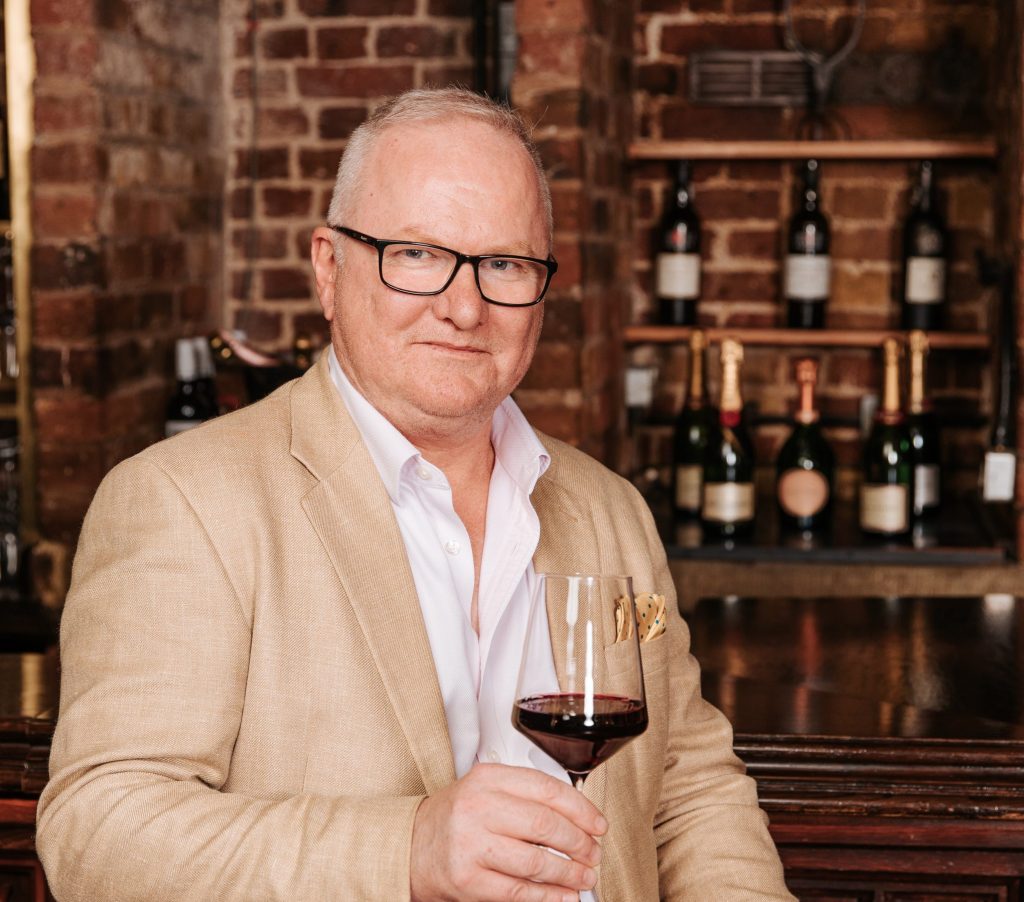
Speaking to the drinks business at last week’s portfolio tasting, managing director Brett Fleming argued that government policy in the UK “is detrimental to our industry”, with increasing national insurance and business rates posing “an existential threat” to hospitality operators.
“The Labour government just don’t seem to understand that the taxation policy they’re pursuing is actually bringing in less cash,” Fleming said.
However he argued that despite the challenges facing hospitality, the on-trade still represented a great opportunity for Armit. “We have an opportunity to grow our space [in the on-trade] as we’re not maximizing that channel,” Fleming told the drinks business. “So there’s a lot of opportunity as that we can realise.”
Currently, the on-trade accounts for about a fifth of Armit’s sales, but Fleming wants to raise this to a third, to match its private client sales, and the retail sector/rest of the business. This is not only to boost profitability, but also because it is “important to build brand equity” through the on-trade, he added.
Opportunity
To this end, Armit appointed Svet Manolov MS as portfolio director in November, although the commercial director role has since been added to his duties. This means that as well as being in charge of all the wines coming into Armit, he also provides the link between the teams to ensure that what is coming in, is sold through.
“His experience, his knowledge of the industry is having a significant impact,” Fleming said, pointing to the number of sommeliers and attendees at the annual tasting. “The reason we’re busy [at the annual tasting today] is because of the impact he’s having in raising our profile within the on-trade.”
The annual tasting at One Great George Street last week saw around 500 attendees, which Fleming said was testament to the hard work of the on-trade team in building better relationships with customers, as well as with suppliers.
“There’s been a lot of work in getting the sommeliers to recognise Armit as an option for their supply needs,” he said, arguing that there was “a double-edged sword” in Armit’s reputation for being an “icon fine wine importer”.
Partner Content


“In the price of fighting the everyday wine, the by-the-glass, we’re not necessarily at the forefront of the buyer’s mind, which is ridiculous as I’ve got a portfolio full of products that fit all of those categories,” he said. “The challenge we have is breaking that assumption that Armit can’t deliver on the more mid-priced and the top-end of the entry level, but I think today is a reflection of how we’re slowly seeing that change.”
Portfolio increase
Armit has added a number of news producers and wines to it portfolio, including Weingut Ott, and Chianti Classico estate Fèlsina as its new “hero brand” for the region, among several other producers. Fleming explained that the team are keen to build their range of Chianti following the departure of Chianti Classico’s Querciabella – they had agreed not to bring more Chianti’s on board while Querciabella remained in the portfolio, however following a change in Querciabella’ leadership and its departure from Amit, there was an opportunity to fill this gap.
“We’ve got multiple Brunellos, multiple Barbaresco, but we only had one Chianti, which didn’t make any sense. So now that that condition has changed, it is our intention to express the region of Chianti over the next five years through representation,” he said.
He added that “you need to be grown up about it” and recognize what the market is looking for. “We’re always trying to strengthen our proposition to any customer, be their private client or the on-trade, by improving and adapting our portfolio to reflect a changing world.”
“They’re looking for wines which don’t dominate the glass, but are still very expressive. So finesse, elegance, lower alcohol, more expressive on the red fruit rather than the black fruit, salinity rather than viscosity,” he said.
Related news
Bordeaux 2025 en primeur: star picks from the Right Bank 'satellites'
Opus One shows off 'monumental' redesign with a hidden twist
Bordeaux 2025 en primeur: Sauternes & Barsac ‘very rich, very powerful’


