



Why is the UK drinking so much Verdejo?
White Verdejo wines from Rueda in north-west Spain are seeing a sales spike in the UK. Sarah Neish investigates why demand is rising, and how 30 ‘test pits’ dug in the Spanish region could be key to its continued success.
In the period between January to July 2025 volume sales of exported Rueda wines shot up 6% compared with the same period in 2024. When looking at growth for the full year, 2025 volume sales grew by 3% compared with the previous year to 17,481.944 bottles, according to Santiago Mora, director general of DO Rueda.
Of these exported wines, 88% were Verdejo, the hero white grape variety of the region.
However, one market in particular seems to have developed a taste for Rueda Verdejo with the UK seeing record sales of 1,310,332 bottles in 2025, an uptick of 6.65% on 2024.
“British consumers tend to be very receptive to fresh, aromatic, food-friendly white wines, and Verdejo from Rueda fits that profile perfectly,” Vicente Orihuela, CEO of Rueda producer Bodega Cuatro Rayas, told the drinks business. “It offers excellent value for money and has a very clear varietal identity, with a characteristic light herbaceous note that makes it versatile at the table, and is something that consumers increasingly value”.
Here are five reasons why Verdejo is taking the UK by storm.
1. Access in both supermarkets and the on-trade
On the back of the variety’s escalating success, this year Cuatro Rayas, for example, secured two new listings in UK supermarkets Morrisons (in-store now) and Asda (from April) for its Four Lines Verdejo, adding to an existing listing at Sainsbury’s, all around £10, underscoring the value for money Orihuela mentioned.
Indeed, sales of Four Lines Verdejo “doubled” at Sainsbury’s between 2023 and 2025, said Orihuela, with more than 105,000 bottles sold. “The product is working really well and the customers are very happy with it,” he told db.
Orihuela sees supermarket listings as being instrumental to the success of Rueda Verdejo, as they “make it easy for British consumers to access this style of wine”. However, he also points to important listings in the on-trade for the producer’s top tier wines, Cuatro Rayas Viñedos Centenarios and Cuatro Rayas Longverdejo, which are imported by Alliance Wine and offer “a more complex and gastronomic expression of the Verdejo variety and help to strengthen Rueda’s position in the UK market”.
He believes that the international hospitality industry is increasingly turning to Rueda Verdejo, recognising it as “a safe choice in terms of quality, value and gastronomic versatility”.
Sarah Benson MW, Spain buyer for Alliance Wine, which supplies a number of prestigious restaurants across London, added that another reason UK consumers are gravitating toward Verdejo is because it is a “lesser known yet aromatic alternative to well-known international variety Sauvignon Blanc”, meeting a need for “increasingly engaged consumers who are exploring alternative varieties”.
2. Producers acquiring more Verdejo vines
While further planting of Verdejo is not permitted by DO Rueda, the drinks business can reveal that last year the governing council of Cuatro Rayas, a wine cooperative, approved the addition of an extra 175 hectares of Verdejo (via the involvement of a grower with those 175ha already planted) in order to meet demand. It points to an appetite for potential acquisitions as producers look to increase their access to Verdejo vines.
“This decision reflects our confidence, and that of our winegrowing partners, in the Verdejo variety, and also in the stability of the cooperative model, which is committed to guaranteeing a fair price for the grapes used to make our wines,” said Orihuela.
It’s a confidence seeded in the early 1900s, with Cuatro Rayas unearthing documents from the 1940s in which its members pointed out that the future of quality white wines lay in the Verdejo grape. And a vision that “remains fully valid several decades later,” said Orihuela, pointing to consistently rising sales.
It also means more Verdejo is being made that can make its way to key markets such as the UK.
Partner Content
3. Test pits are revealing “enormous diversity of soils”
Thanks to continual R&D, the quality of Verdejo is improving all the time, meaning that when UK consumers do get their hands on a bottle, they are likely to be impressed by its contents. For example, DO Rueda has been working with the University of Leon on a detailed research project that could determine the fate of the region’s Verdejo wines long into the future. As part of the joint venture, more than 300 ‘test pits’ have been dug to analyse different soils across Rueda, and their suitability for growing Verdejo.
Due to be completed this year, the project’s results are so far revealing “the enormous diversity of soils present in the DO —from sandier soils to others with a higher presence of gravel and clay components— and how these differences influence key aspects,” said Orihuela. “This type of study allows us to deepen our knowledge of the vineyard, better identify the potential of each plot and move towards increasingly precise and environmentally-friendly viticulture, which is essential for continuing to produce Verdejo wines with identity and quality”.
Indeed, calling Rueda Verdejo “a versatile and modern style of Spanish white wine” Orihuela highlighted the key balance between “freshness, aromatic intensity and structure on the palate”.
That palate structure is increasingly on the mind of Rueda producers, who are starting to make alcohol-free Verdejo wines. In the case of Cuatro Rayas’ Vendimia Nocturna 0%, the wine is harvested at night, and produced using precision fermentation in stainless steel and a “vacuum distillation process” which lasts for just a few seconds, which helps retain “more than 98% of the original aromas” of Verdejo, which typically include notes of white fruit and citrus, according to Orihuela.
4. The Gran Vino de Rueda category has had time to bed in
A further growth area for Rueda is its Gran Vino de Rueda classification, which has been growing strong roots since it was first introduced in 2020.
DO head Mora told db in an exclusive interview last year that “our strategy was always to uplift and cement the reputation of Rueda Verdejo as a single entity. Now we want to give winemakers the chance to differentiate themselves and express their own personalities. It’s the next step. Gran Vino de Rueda wines are about having the best raw material to make whatever you want.”
The only stipulations are that Gran Vino de Rueda wines must be made from vines that are a minimum of 30 years old, yielding no more than 6,500kg per hectare, with bottles spending at least one year in the winery before release, producers are free to experiment.
According to Cuatro Rayas’ Orihuela, the category is “a distinction reserved for very limited productions from unique vineyards and designed to express the maximum potential of the territory”. He added that the cooperative has been “committed to this category from the outset” with four of its wines now adhering to the regulations.
“We believe that the Gran Vino de Rueda category has enormous potential to position Rueda among the great white wine regions of Europe, showcasing the depth and diversity that the Verdejo variety can offer when it comes from old vines and selected plots,” he stressed.
5.Rueda tourism is on the up
Naturally, the rising UK sales of Rueda wines is also linked to the discovery of the region by more and more British tourists, who return home with a newfound love for Rueda Verdejo.
“Rueda and its surrounding villages offer a landscape that is very characteristic of the interior of Castilla y Leon. The area is close to major cities which have a rich historical and cultural heritage, such as Valladolid, Medina del Campo and Tordesillas,” explained Orihuela.
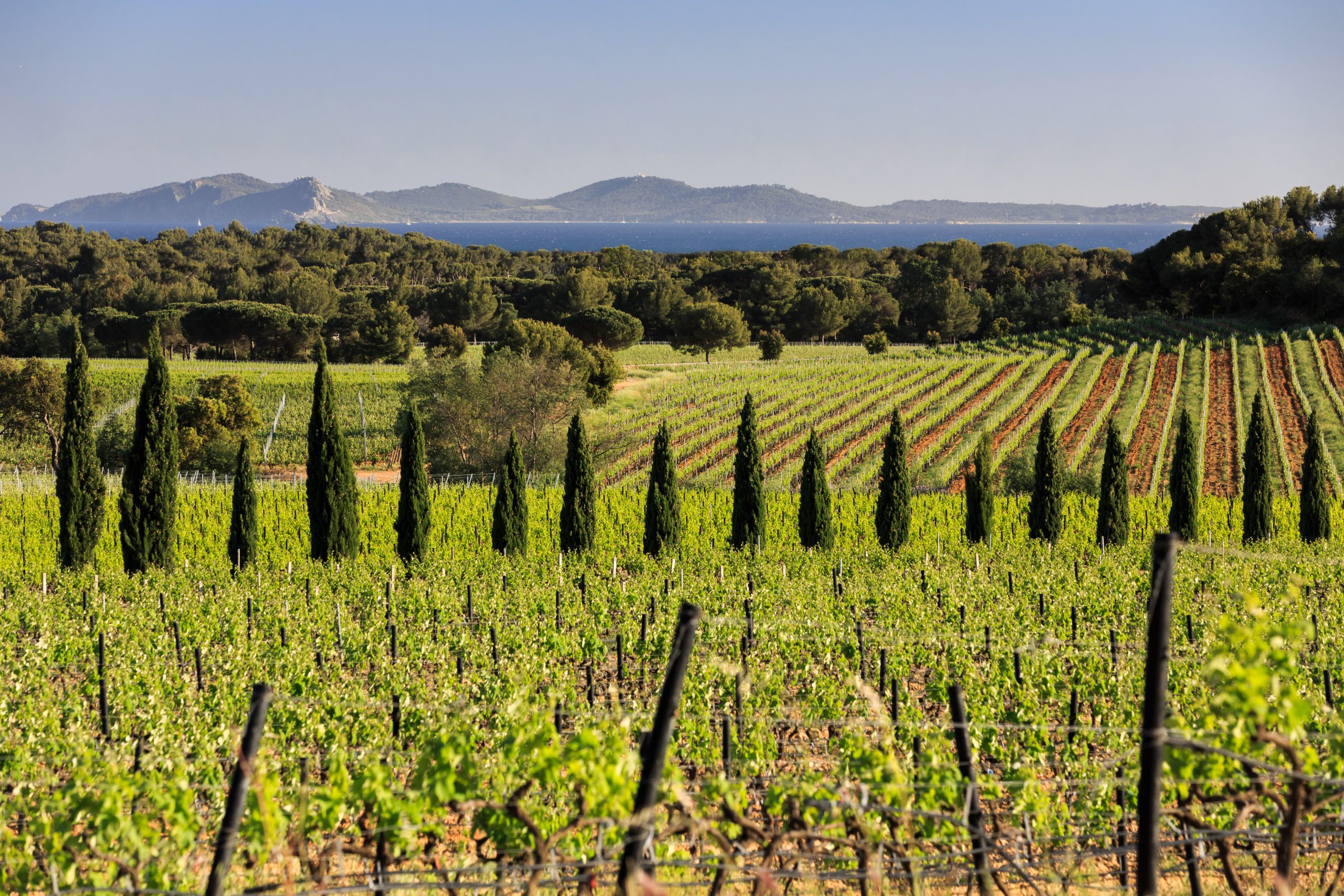
“It is also a region with a rich and varied gastronomy, featuring traditional products such as lamb and Castilian cuisine. In recent years, we have seen a gradual growth in tourism, especially linked to wine.” He added that the topography of Rueda, with its “wide horizons of vineyards” are a big draw.
Related news
Bodega Cuatro Rayas undertakes R&D project to improve longevity of Verdejo
Gran Vino de Rueda: bringing 'longevity' to the Verdejo grape
DO Rueda celebrates World Verdejo Day to 'increase notoriety of the region', says MD


